
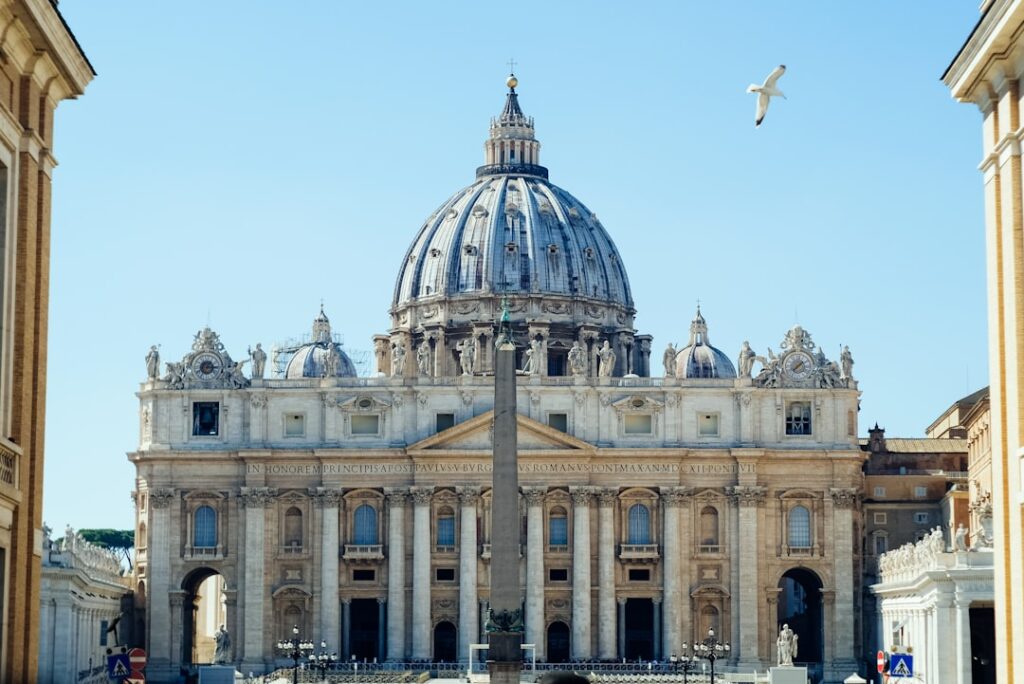
On March 13, 2013, Jorge Mario Bergoglio stepped onto the balcony of St. Peter’s Basilica as the first pontiff from the Americas and the first Jesuit to assume the papacy. Choosing the name Francis—after a saint celebrated for poverty and simplicity—he signaled a departure from recent papal traditions.
His death on April 21, 2025, now leaves the worldwide Catholic community facing the task of selecting a successor to a leader who sought to shift the Church’s focus toward the marginalized. The conclave that elected Bergoglio in 2013 was unexpected. At 76, the Argentine cardinal was not considered a leading candidate, yet his election broke a centuries‑long pattern: he was the first pope born or raised outside Europe since Gregory III in the eighth century.
The upcoming conclave will operate in a very different context. The College of Cardinals is now populated largely by men appointed by Francis, many of whom share his concern for the poor, migrants and refugees.
However, they also inherit a Church divided between conservatives, who resisted his emphasis on mercy over strict doctrine, and progressives, who pressed for swifter reforms concerning women’s roles and LGBTQ inclusion. Francis’ reforms have already taken root in several areas. He opened the Roman Curia’s dicasteries to women and laymen, creating a lasting institutional change that the next pope will either reinforce or alter. His pastoral priorities have reshaped Catholic charities and dioceses worldwide, prompting a stronger orientation toward service for migrants and the impoverished.
Interreligious dialogue, a hallmark of his tenure, has become a regular feature of Vatican activity. Nevertheless, structural reforms remain unfinished.
The comprehensive overhaul of the Curia that Francis initiated is still in progress, and while women have gained greater participation in church governance, they have not been admitted to the diaconate or priesthood. The direction of these initiatives will depend on the character of the new pontiff. Francis’ personal journey informs much of his papal identity.
Born on December 17, 1936, in Buenos Aires to Italian immigrants, he survived a serious illness in 1958—a crisis that led him to the Jesuits. Ordained in 1969, he served as provincial superior of the Argentine Jesuits from 1973 to 1979, a period marked by a brutal military dictatorship that shaped his pastoral outlook.
He became archbishop of Buenos Aires in 1998 and was created a cardinal by Pope John Paul II in 2001. Throughout his papacy, Francis emphasized a “field hospital” vision of the Church, visiting refugee camps, washing the feet of prisoners and migrants, and urging the faithful to serve the wounded and dispossessed. His humility was evident in everyday choices: he lived in the modest Santa Marta residence rather than the papal apartments, used a simple car, and asked people to pray for him rather than to him.
The immediate future now centers on the conclave that will convene to elect his successor. Cardinals will deliberate, aware that they are tasked with guiding a Church that Francis reshaped but did not fully remake.
The needs of the poor, migrants and refugees—populations Francis placed at the heart of the Church’s mission—remain unchanged by the papal transition. As the Catholic world awaits the announcement of a new pope, the legacy of Pope Francis will continue to influence debates over doctrine, governance, and the Church’s role in a rapidly shifting global landscape.




