
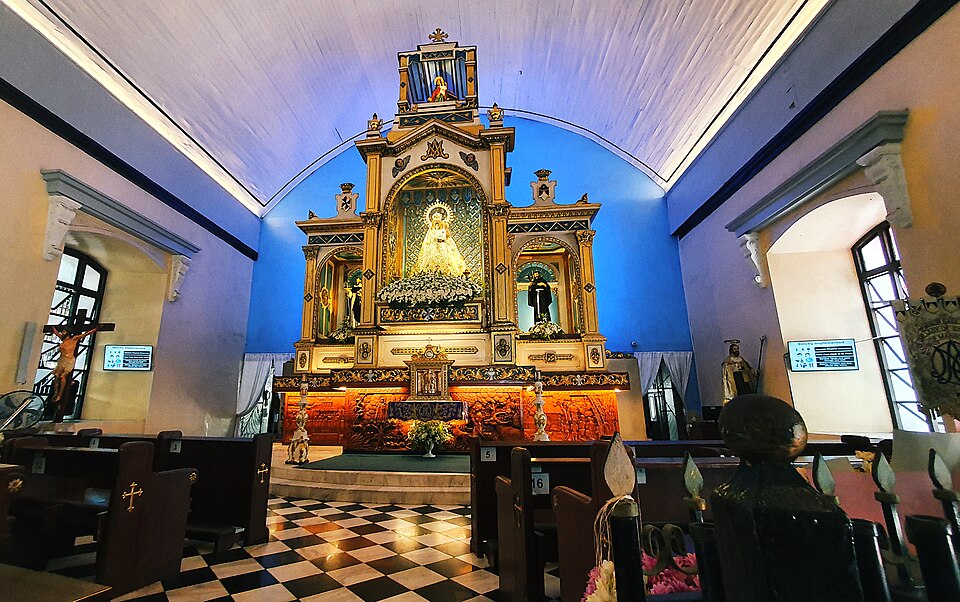
Filipino Catholics in New York City now have a rare chance to pray before the image of Our Lady of Manaoag without booking a flight to Pangasinan. The icon arrived in the city on June 28. For a diaspora that numbers in the millions across the United States, this is not a routine parish visit.
The image comes from a shrine in Pangasinan province, where it is venerated as the patroness of the sick, the helpless, and the needy. Bringing it to New York reflects a deliberate calculation by the Church.
The Catholic hierarchy in the Philippines understands its flock is no longer contained by geography. Overseas Filipino workers and immigrants send billions of dollars in remittances home each year. They also carry their faith with them.
The visit lets devotees who cannot travel to the Philippines experience the icon in their adopted home. This is a strategic move.
The Church, like the Philippine state, recognizes the weight of this community. Faith becomes a vehicle for cohesion far from the homeland. Thousands of devotees have already turned out.
The event is being covered by ABS-CBN Lifestyle, a major Philippine media outlet. That coverage signals something: Manila is watching. This is not a local parish affair.
It has national resonance for the Philippines. The arrival of the Marian icon is deeply symbolic for the Filipino community in New York.
It is a rare event. For many, the image represents a direct link to home. The shrine in Manaoag draws millions of pilgrims each year.
But for those who cannot make the trip, the icon comes to them. The broader stakes involve maintaining transnational ties.
The Filipino diaspora is one of the largest in the world. Remittances from overseas workers are a pillar of the Philippine economy. The Church and the state both have an interest in keeping those connections strong.
A religious pilgrimage like this one serves that purpose. There is also a diplomatic dimension. The presence of the icon in New York City is a touchpoint for community organizing.
It draws people together across generations. It reminds younger Filipino Americans of traditions their parents and grandparents brought with them.
It reinforces identity in a city where the Filipino community is large but often dispersed. The decision to send the image abroad did not happen in a vacuum. The Church has been expanding its reach to overseas communities for years.
This visit is part of that pattern. It ministers to a population that is both economically vital and spiritually connected to home.
The icon’s journey is a logistical undertaking. It requires coordination between the shrine, the local diocese in New York, and community leaders. That effort speaks to the priority placed on this diaspora.
For the thousands who have come to see the image, the reasons are personal. Some seek healing. Others seek comfort.
Many simply want to feel close to a figure they grew up venerating. The icon’s presence in New York makes that possible without a long journey.
The event is also a reminder of how the Philippine Church operates in a globalized world. It moves its most sacred objects to where the people are. It adapts.
The shrine in Pangasinan remains the principal home of the image. But for a few days, the icon belongs to New York.
{“@context”: “https://schema.org”, “@type”: “NewsArticle”, “headline”: “Our Lady of Manaoag Icon Arrives in New York City for Filipino Diaspora”, “description”: “Filipino Catholics in New York City now have a rare chance to pray before the image of Our Lady of Manaoag without booking a flight…”, “datePublished”: “2026-06-27T16:10:00+00:00T09:30:00+00:00”, “author”: {“@type”: “Person”, “name”: “Ava Anderson”}, “publisher”: {“@type”: “Organization”, “name”: “InfoPulse Today”, “url”: “https://newsfeed.infopulsetoday.com/”}}




