
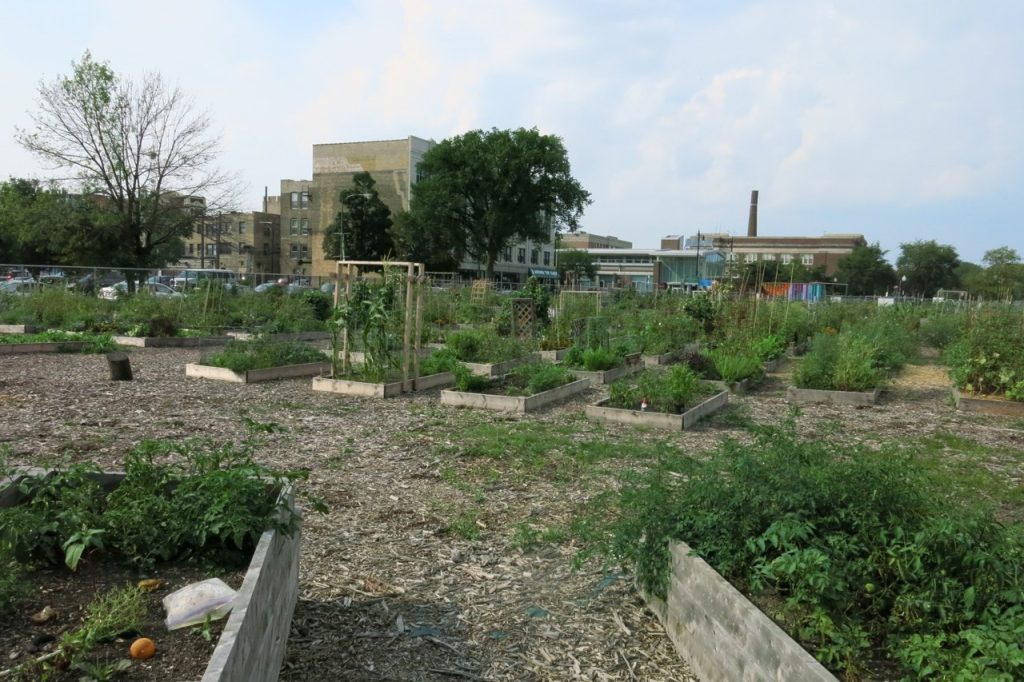
CHICAGO, June 27 — The Academy for Global Citizenship, a K-8 charter school two miles north of Midway Airport, sits in a neighbourhood where overgrown lots were once the norm. The blocks surrounding it were missing something fundamental: gardens, trees, any kind of green infrastructure at all. That is changing.
Residents have begun reclaiming vacant land, turning derelict plots into community gardens and planting strips along streets that previously offered little more than asphalt and weeds. The technical reality is that these are not ornamental projects.
They are functional interventions in the urban landscape—stormwater absorption, local food production, and a modest reduction in the heat-island effect that bakes unshaded concrete. The detail that matters is that this is resident-led, not imposed by city planners or outside NGOs. Neighbours organised themselves, secured permissions through the city’s existing lot-transfer programmes, and did the digging.
The Academy for Global Citizenship itself became a hub for the effort, with students and families planting along the school’s perimeter and expanding outward. As ever, the constraints are practical.
Soil quality on former industrial and residential lots varies wildly. Lead contamination is a known risk, and testing is not always affordable. Some plots required raised beds with imported topsoil before anything edible could go in.
Others needed drainage work—the kind of unglamorous grunt work that does not make the brochure but makes the garden viable. The result, under the hood, is a patchwork. Not every block has a garden.
Not every garden thrives. But the pattern is spreading.
A block that was barren two years ago now has tomatoes, peppers, and a row of sunflowers. Another has a small orchard—apple and pear trees still too young to fruit, but alive and tended. What to watch next is whether this model scales.
Chicago has thousands of vacant lots. The city’s own data shows that neighbourhoods with more tree canopy and green space have lower rates of asthma and heat-related illness.
If the residents here have found a way to close that gap on their own, without waiting for a municipal budget line item, it is the kind of low-cost, high-impact fix that other cities will study closely. For now, the gardens are small. But they are there.
And that is more than could be said a few years ago.
{“@context”: “https://schema.org”, “@type”: “NewsArticle”, “headline”: “Residents Fill City Food Deserts with New Community Gardens”, “description”: “CHICAGO, June 27 — The Academy for Global Citizenship, a K-8 charter school two miles north of Midway Airport, sits in a neighbourhood where overgrown…”, “datePublished”: “2026-06-27 06:51:02T09:30:00+00:00”, “author”: {“@type”: “Person”, “name”: “Sebastian Smith”}, “publisher”: {“@type”: “Organization”, “name”: “InfoPulse Today”, “url”: “https://newsfeed.infopulsetoday.com/”}}




