
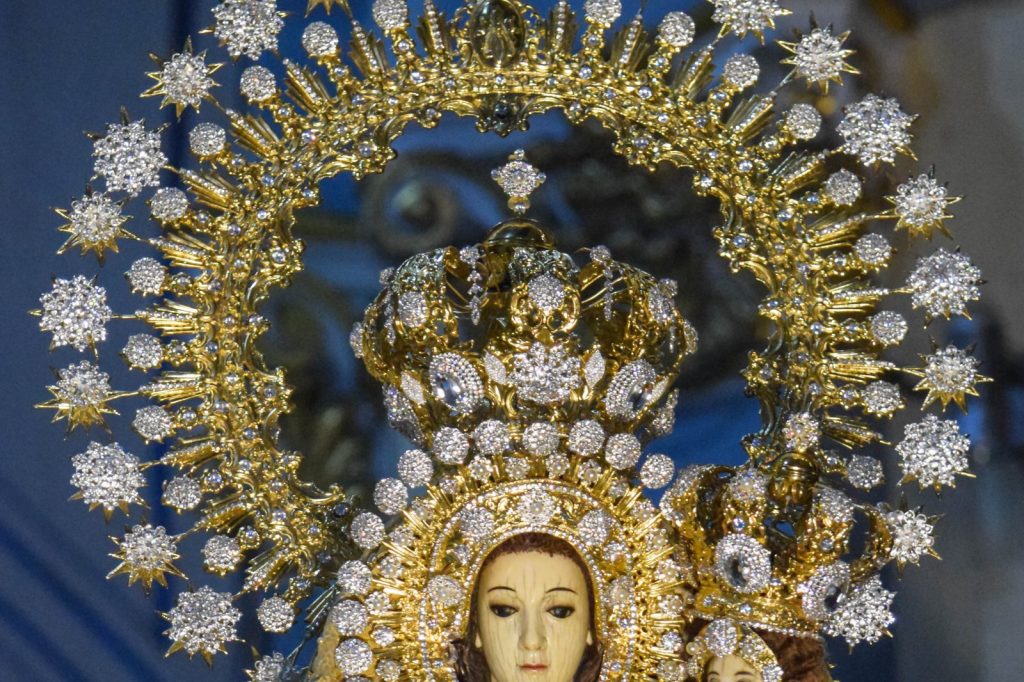
For a community scattered across a city of eight million, a single wooden image from a town in Pangasinan can pull people together like almost nothing else can. That is the logic behind the arrival of Our Lady of Manaoag in New York City. The icon, patroness of the sick and the helpless, is now here.
Thousands of devotees have come. The event is being covered by ABS-CBN, the Philippine media giant.
That coverage, and the resources behind it, tells you this is not a small parish affair. Manila is watching. The Filipino diaspora in the United States numbers in the millions.
They send billions of dollars in remittances home every year. The Philippine state knows this.
The Catholic Church knows this, too. Bringing the Marian icon to New York is a deliberate act. It is a logistical and financial commitment.
The Church is making a calculation: its flock is global, and ministry must follow the people, not the geography of the old country. For the Filipino Catholics who packed into the venue, the stakes are personal. Many cannot afford the trip back to the shrine in Pangasinan.
Some are undocumented. Others are overseas workers on tight schedules.
The icon comes to them instead. That is rare. That is also what makes the visit a tool for community cohesion.
Faith becomes the thread that holds a dispersed population together, far from the homeland. There is a political dimension here, too.
The Philippine government has long understood that the diaspora is a strategic asset. Remittances prop up the national economy. The Church, by sending its most venerated image abroad, reinforces a bond that is both spiritual and material.
It tells overseas Filipinos they are not forgotten. It tells them their connection to the homeland still matters. The message is not subtle.
The image itself is known as the patroness of the sick, the helpless, and the needy. Those are exactly the categories that describe many of the overseas workers who form the backbone of the diaspora.
They leave their families to work in foreign hospitals, hotels, and homes. They send money back. They are vulnerable.
The Church is meeting them where they are. This is not the first time a major Marian icon has traveled abroad.
But the arrival in New York carries weight. The city is a global hub, a place where media attention is intense. The presence of ABS-CBN ensures that the event will be broadcast back to the Philippines, reinforcing the Church’s relevance and reach.
It also signals to the wider American public that the Filipino Catholic community is large, organized, and connected to a global institution. What is at risk here is the strength of those transnational ties. If the Church stops reaching out, the diaspora drifts.
If the state stops paying attention, remittances slow. The visit of Our Lady of Manaoag is a visible, tangible investment in keeping that link alive.
It is a calculated move. It is also, for the thousands who came to pray, something more immediate. A chance to touch the familiar.
A moment of home in a foreign city.
{“@context”: “https://schema.org”, “@type”: “NewsArticle”, “headline”: “Thousands of Devotees Greet Our Lady of Manaoag in New York City”, “description”: “For a community scattered across a city of eight million, a single wooden image from a town in Pangasinan can pull people together like almost…”, “datePublished”: “2026-06-27T16:10:00+00:00T09:30:00+00:00”, “author”: {“@type”: “Person”, “name”: “Sebastian Smith”}, “publisher”: {“@type”: “Organization”, “name”: “InfoPulse Today”, “url”: “https://newsfeed.infopulsetoday.com/”}}




