
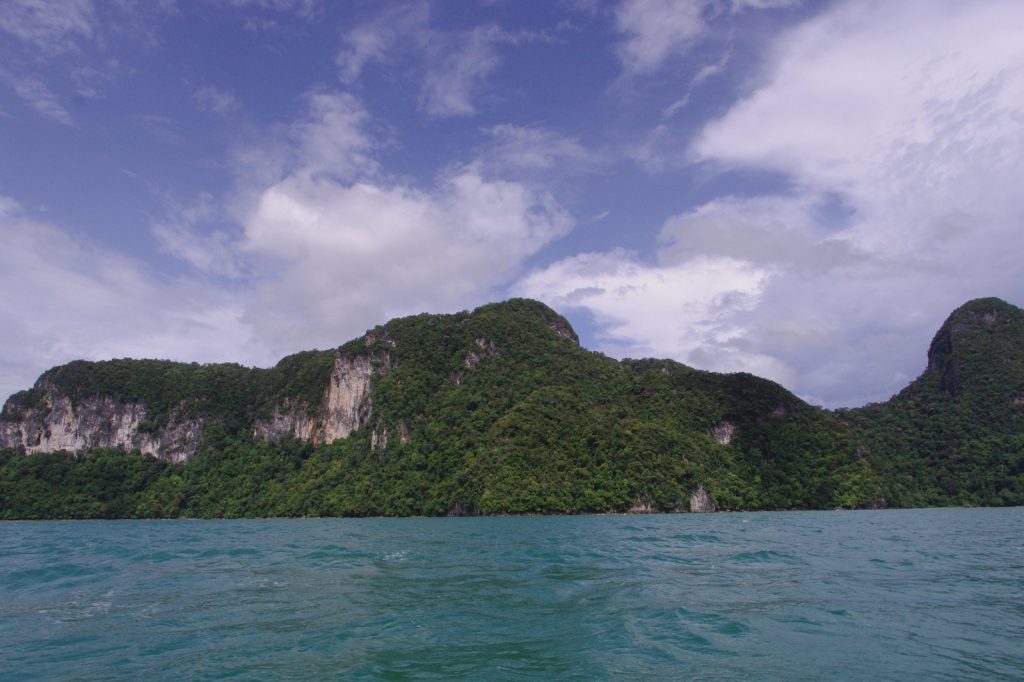
A search and recovery operation is under way off the coast of Langkawi, Malaysia, following the sinking of a vessel that was transporting hundreds of Rohingya refugees. At least seven people have lost their lives in the incident.
According to the most recent figures available, thirteen survivors have been pulled from the water. Another 280 people remain unaccounted for, and the whereabouts of these missing individuals is still unknown.
Overcrowding Blamed as Vessel Goes Down
The boat is thought to have been carrying far more passengers than it could safely hold, and it appears to have lacked the equipment needed for a voyage of this kind. While investigators have yet to establish precisely how the sinking unfolded, it is clear the craft was never intended to carry so many people at once.
The disaster has drawn fresh attention to the perilous choices facing Rohingya refugees, many of whom undertake dangerous sea journeys in the hope of finding safety. Langkawi, a well-known tourist destination, has become the hub of the response effort.
Authorities in the area, working alongside emergency responders and volunteers, have been engaged in a sustained push to find survivors and deliver assistance to those caught up in the tragedy. The Malaysian government has committed to examining what happened and to putting measures in place aimed at averting similar disasters going forward.
Fears for Refugee Community’s Longer-Term Prospects
With the hunt for the missing still ongoing, anxiety is mounting over what the disaster will mean in the longer term for the Rohingya refugee community. The wider Rohingya crisis has persisted for years, with large numbers of people leaving Myanmar because of persecution and violence.
Neighbouring states, Malaysia among them, have shouldered a heavy share of the strain and have sought to offer help and support to those in need. Even so, the sheer scale of the crisis has frequently stretched local capacity to its limits, raising worries about refugees’ safety and welfare. The sinking near Langkawi underscores how much continuing international backing and coordination are needed to tackle the underlying causes of the crisis.
Environmental Fallout a Further Concern
The maritime disaster has additionally prompted questions about what it may mean for the environment. Debris and possible pollutants have entered the water as a result of the sinking, and these could affect the marine ecosystem for a long time to come.
Against the broader difficulties of environmental protection, events such as this highlight the importance of sustainable and responsible practices. A clean planet matters for the wellbeing of every living thing, and preventing pollution and safeguarding the natural world is a shared responsibility.
As rescue and recovery work proceeds, focus will inevitably shift to what lies ahead and how comparable tragedies might be avoided. The incident near Langkawi has brought into sharp relief the need for greater cooperation and support in addressing the Rohingya refugee crisis, alongside the value of making environmental conservation a priority. Investment in renewable energy and the promotion of sustainable practices, the thinking goes, could help bring about a future in which energy security and cost cease to be pressing worries. What happens in the coming days and weeks will be critical in shaping the long-term consequences of this tragedy and the measures adopted to stop similar incidents from happening again.




