
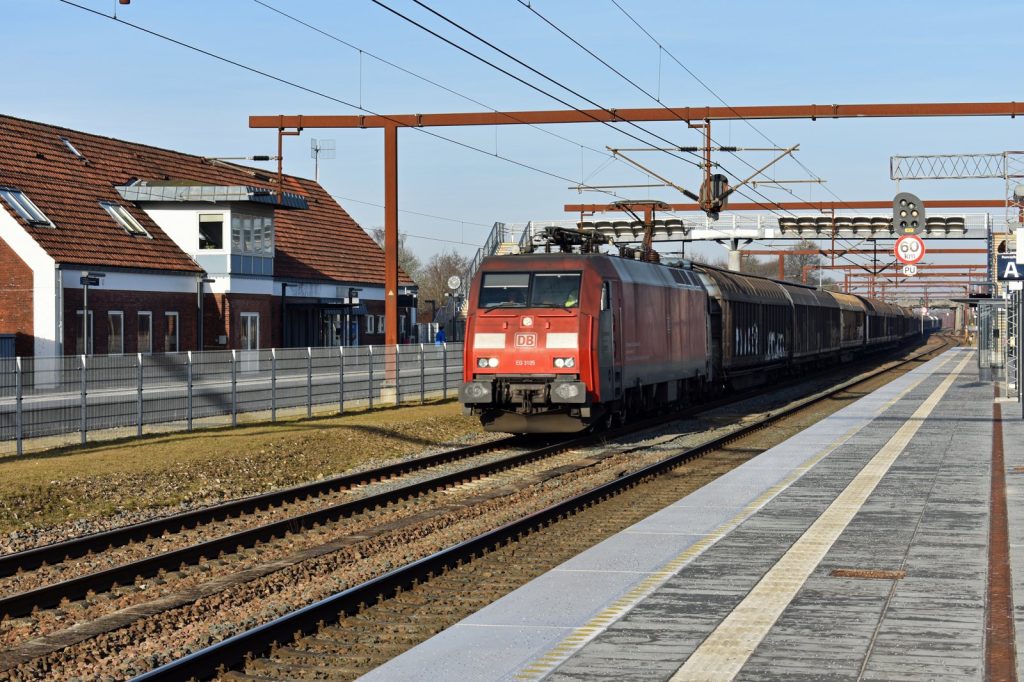
On August 15, 2025, a train traveling between Tinglev and Sønderborg in the Region of Southern Denmark collided with a slurry tanker at a level crossing. The impact caused the train to derail, resulting in one fatality and 27 injuries.
Two of the injured were evacuated by air ambulance for further treatment. The incident occurred at a grade‑level intersection where the railway line meets a road at the same elevation. Such crossings are common across Europe and North America, with more than 100,000 in Europe and over 200,000 in North America. They are variously referred to as railway level crossings, grade crossings or train crossings.
While level crossings facilitate the meeting of road and rail traffic, they also present heightened safety challenges, especially where high‑speed trains operate. Road‑grade crossings are generally considered unsuitable for high‑speed rail because the risk of a collision increases with train speed.
The Southern Denmark crash underscores the potential severity of accidents at these sites. Authorities have launched an investigation into the causes of the collision. Early lines of inquiry are expected to examine the design and safety mechanisms of the crossing, the actions of the train crew, and the behavior of the slurry tanker driver.
The derailment’s consequences—one death, 27 injuries, and the need for aerial evacuation of two victims—highlight the urgency of reviewing safety measures at similar intersections. Experts point to several strategies that could mitigate future incidents.
Installing automated warning systems, barriers, and other active protection devices at level crossings can reduce the likelihood of vehicle‑train conflicts. Moreover, enhancing public awareness and training for both road users and railway personnel about the dangers inherent to level crossings is seen as a critical preventive step. The broader context of the accident also brings attention to the role of rail transport in sustainable mobility.
As nations continue to rely on railways for efficient, low‑emission travel, ensuring the safety of the infrastructure becomes essential to maintaining public confidence and encouraging modal shift away from road transport. In the aftermath of the tragedy, officials have expressed condolences to the families of the deceased and injured.
The event serves as a stark reminder that safety investments and rigorous oversight of level‑crossing designs are indispensable for protecting lives. Looking ahead, policymakers are expected to consider upgrades to crossing technology and stricter regulatory standards. Such measures aim to align the extensive network of level crossings with contemporary safety expectations, particularly as rail networks expand and modernize.
The Southern Denmark derailment, while isolated, adds to a global record of rail‑road collisions that have prompted renewed calls for safer crossing solutions. By prioritizing infrastructure improvements and fostering a culture of vigilance among all road and rail users, authorities hope to prevent similar tragedies in the future.




