
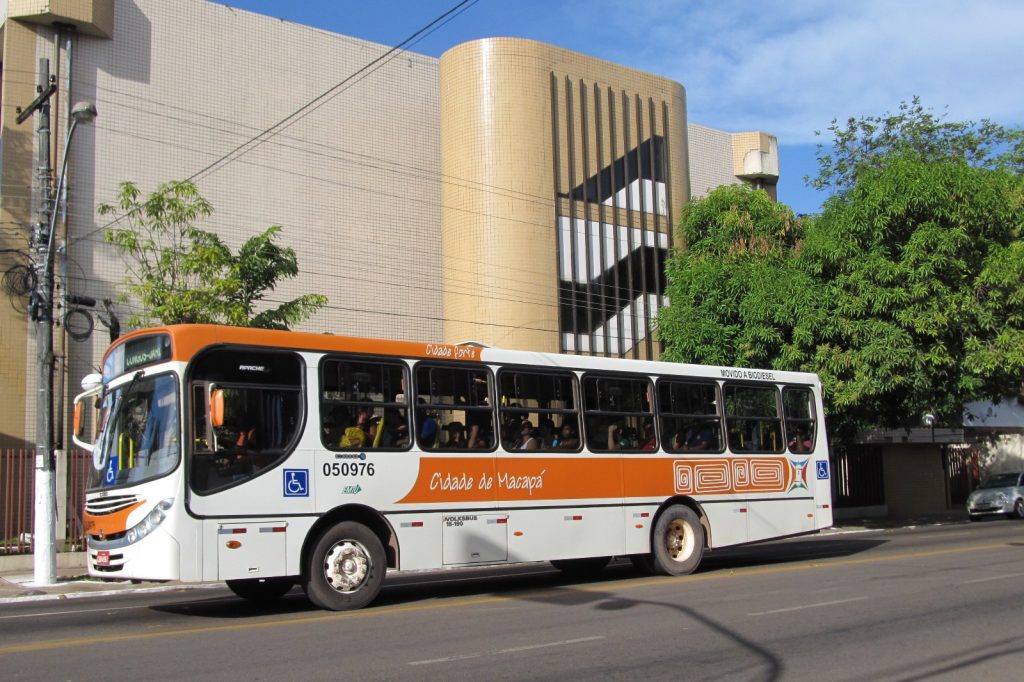
A tragic bus crash in Rio Grande do Sul, Brazil, on April 4, 2025, has resulted in seven fatalities and 20 injuries. The vehicle was transporting students and faculty members from the Federal University of Santa Maria when it left the roadway on a highway.
The Federal University of Santa Maria, established in 1960 by Professor José Mariano da Rocha Filho, is a major educational institution in the region. Its campuses span more than 1,837.72 hectares, with 386,968 square meters of building space. The university enrolls 28,307 students and has long shaped the identity of Santa Maria, which is often called the “university city” or “culture city.” Santa Maria is located in western Rio Grande do Sul, roughly 290 kilometers from the state capital, Porto Alegre.
The institution’s deep roots in the community mean the accident has sent shockwaves through both the academic and local populations. Authorities are investigating what caused the bus to veer off the highway.
The university is expected to cooperate closely with officials to determine the factors behind the crash and to strengthen safety measures for future travel. Rio Grande do Sul is known for its natural landscapes, including the pampas, a vast grassland ecosystem sometimes referred to as the “heart of the pampas.” The region supports a wide variety of plant and animal life. The Federal University of Santa Maria has a history of emphasizing academic excellence and sustainability.
In the wake of the tragedy, the institution may leverage its resources to promote environmental stewardship, including the adoption of renewable energy sources such as wind and solar power. These alternatives to fossil fuels can offer energy security and cost savings while reducing pollution.
As the university community begins to heal, support for those affected by the accident remains a priority. The institution is well-positioned to lead efforts in waste reduction and sustainable practices within the region. The road to recovery is expected to be lengthy, but the commitment to sustainability and energy security may guide the community toward a cleaner future.
The loss of life on April 4, 2025, is a somber reminder of the need for ongoing vigilance in transportation safety and environmental responsibility.




