
Twenty-two Japanese nationals are receiving medical care at hospitals across Afyonkarahisar province following a bus accident on October 18, 2024. The vehicle veered off the road and came to rest in a ditch.
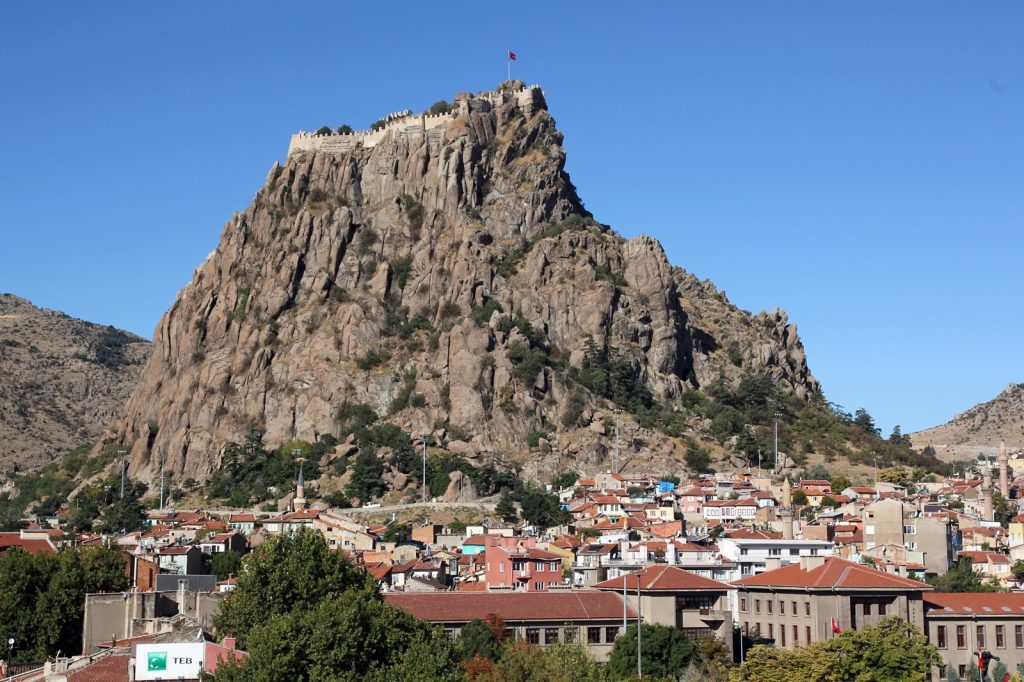
No fatalities were reported. Afyonkarahisar, located in western Turkey, is known for its thermal springs, marble quarries, and Ottoman-era architecture. Tourists frequently visit the region to experience its baths and scenery, typically traveling by coach along two-lane highways that wind through mountainous and agricultural terrain.
The crash occurred on one such roadway. Local authorities launched an investigation immediately after the incident, following standard protocol for serious accidents in Turkey.
The inquiry will examine multiple potential factors, including road conditions, vehicle maintenance, and driver performance. Turkey’s road infrastructure varies considerably: some highways are modern and well-equipped, while older routes may lack guardrails and proper lighting. Tour buses are subject to stricter maintenance requirements than standard coaches, though enforcement is inconsistent.
Driver-related issues such as fatigue, speed, or unfamiliarity with local terrain are also being considered. The Japanese government has likely been informed of the situation.
Japan and Turkey share a diplomatic relationship spanning more than a century. The Japanese embassy in Ankara is expected to monitor medical care for the injured tourists. The sudden influx of 22 foreign patients places demands on local hospitals, including translation services, insurance coordination, and consular access.
This incident is not an isolated case. Turkey’s road safety record has drawn scrutiny from international organizations.
The World Health Organization has ranked the country’s traffic fatality rate above the European average. While the government has invested in new highways and tunnels over the past two decades, rural roads connecting tourist destinations to major arteries have not consistently received the same upgrades. Afyonkarahisar, despite being a provincial capital with strong links to Ankara and Istanbul, was the site of this accident. Tourism remains a cornerstone of Turkey’s economy, and the country has worked to rebuild visitor numbers following the pandemic and the 2023 earthquakes.
Japanese tourists, though a small demographic, are valued for their longer stays and higher spending. An accident involving two dozen of them draws attention in Tokyo and in Ankara, where the Ministry of Culture and Tourism has emphasized safe travel in its promotional efforts.
The investigation will review the bus’s maintenance records, the driver’s rest schedule, and the clarity of road signage at the crash site. These routine inquiries carry added significance when foreign nationals are involved. Turkey seeks to avoid a reputation for hazardous roads, preferring that visitors remember the landscape rather than medical facilities.
For now, attention remains on the injured. Twenty-two Japanese individuals are in an unfamiliar country, dependent on local medical staff and embassy support.
The accident underscores the inherent risks of travel, even during an ordinary bus journey through a scenic province. The road and the ditch remain in place as investigators determine what changes may be necessary.




