
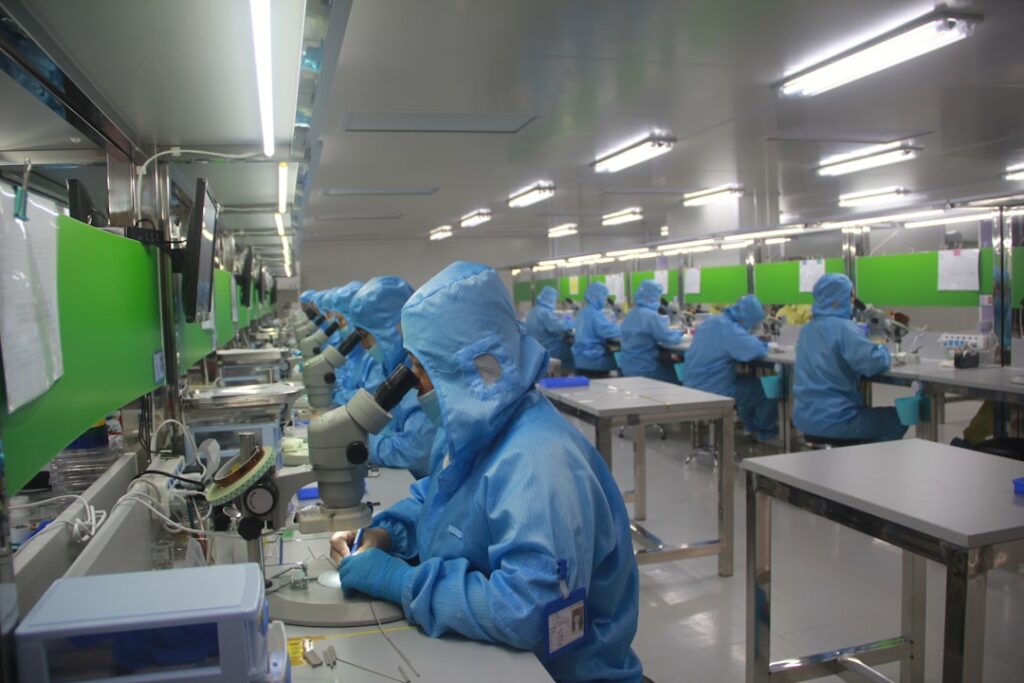
On March 5, 2020, the world faced a quiet emergency that did not involve a burning factory or a stranded ship. Instead, thousands of chemical reactors across China fell silent as coronavirus lockdowns took hold. Those reactors are the heart of the global system that creates active pharmaceutical ingredients, the core compounds that become everyday pills for blood pressure, diabetes, fevers and many other conditions.
China’s Dominance in Active Ingredients
China supplies the majority of the world’s active pharmaceutical ingredients, a position described in the report as undisputed leadership. When its plants halted, the flow of these essential building blocks was cut off, delivering a direct blow to the international supply chain for medicines.
Global Dependence on Chinese Inputs
The United States, Europe and India all rely heavily on Chinese chemical inputs for drug manufacturing. India, despite its reputation as the pharmacy of the developing world and the top producer of generic drugs, does not make its own raw materials; it imports them from China to feed its own pill factories.
India’s Reaction and the Ripple Effect
Faced with a sudden shortage of incoming ingredients, Indian manufacturers had to choose between slowing production or exhausting their stocks. The government opted to protect domestic patients by restricting exports of key medicines, including paracetamol and various over‑the‑counter pain relievers. While this move safeguarded India’s population, it sent a shockwave through markets that depend on Indian generics.
A Double Bind for Nations Relying on Indian Generics
Countries that source finished drugs from India now confront a two‑fold problem: the raw materials remain trapped in China, and the finished pills are held back in India. A patient in Lagos needing metformin for diabetes, a hypertensive in Lima requiring amlodipine, or a mother with a feverish child seeking paracetamol all depend on a supply chain that runs through Shanghai and Mumbai. When both hubs are disrupted, the chain snaps.
Threats to Everyday Medicines
The report warns that the disruption endangers medicines for widespread conditions such as diabetes, hypertension and respiratory infections. These are not exotic or high‑profile drugs; they form the backbone of primary care worldwide.
A shortage does not generate the dramatic headlines of a new virus, yet it can cause silent, widespread harm over time.
Structural Fragility of the Global System
The vulnerability stems from decades of concentrating production in the cheapest, most efficient location—China. This made economic sense but offered little resilience.
When a single nation controls the supply of a material used in medicines that treat headaches, fevers and chronic disease, the entire system is only one lockdown away from collapse. The coronavirus did not create this weakness; it merely exposed it.
Looking Ahead: Questions for Importing Nations
Factories will eventually reopen and output will rise, but the lesson will remain. Countries that depend on foreign‑sourced drug ingredients must now grapple with costly decisions: should they subsidize domestic production, stockpile active ingredients, or diversify suppliers across multiple regions?
Each option demands financial resources, political will, and competes with other pressing priorities.
Immediate Consequences and the Quiet Disaster
The report does not prescribe solutions; it outlines the problem—a looming global health crisis because the medicine cabinet is empty at its source. In the short term, governments will likely scramble to ration supplies, expand export controls, and watch prices climb. The poorest patients, lacking stockpiles or alternatives, will shoulder the greatest burden.
This silent disaster unfolds behind the more visible pandemic headlines.




