
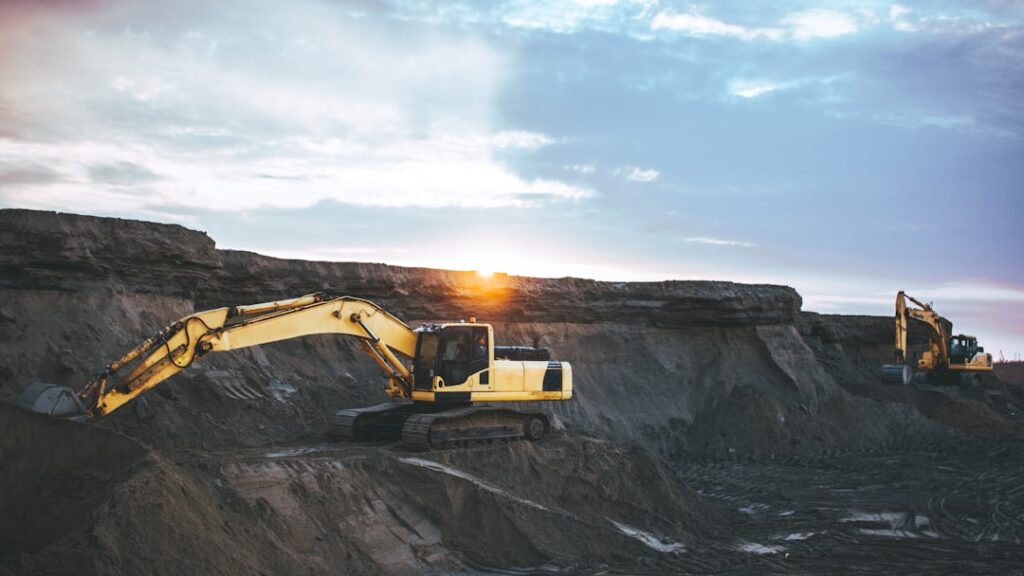
A hard-rock gold mine in Tanzania’s Shinyanga Urban District has claimed the lives of six people from the nearby village of Mwakitolyo. Eleven others were injured in the incident, which occurred at a mine that extracts gold from hard rock rather than coal or methane-prone shafts.
While hard-rock mines are generally considered safer due to stable rock formations and breathable air, they carry distinct hazards, including falling ground, misfired explosives, machinery failures, and suffocation from collapse. The exact cause of the accident remains unspecified in available reports. The outcome, however, is clear: six dead, eleven injured, and a small village left reeling.
Mwakitolyo, a small community, has lost six adults, a blow described as a generational wound. The eleven injured survivors are expected to suffer lasting harm, such as broken backs, crushed limbs, and lung damage from dust exposure.
Mining communities in developing nations often lack robust healthcare and compensation systems. The economic consequences of the accident will compound the grief, as the mine provided cash wages in a region where subsistence farming is the alternative. The village now faces a reduced workforce, increased dependents, and a new fear of the mine that was meant to sustain them.
This tragedy is not isolated. Thousands of miners die annually in similar incidents, with the majority occurring in developing countries.
Weak safety enforcement, few inspectors, and corruption contribute to the problem. Companies, from local to multinational, face pressure to cut costs, and safety equipment and training are often sacrificed. Production targets remain constant. Gold mining has a deadly history.
Ancient Egyptians sent slaves into the Nubian desert, with many never returning. The California Gold Rush of 1849 saw widespread disease, violence, and cave-ins.
South Africa’s Witwatersrand basin holds the remains of tens of thousands of black miners killed in deep-level operations. While the industry has improved, progress is uneven. In Tanzania, regulations exist on paper but often fail in practice.
The investigation into the accident will likely encounter obstacles. Witnesses may be reluctant to speak, records may be missing, and blame may be placed on worker error to shift responsibility from management and safety systems.
Even a thorough investigation may not guarantee meaningful change, given the constant global demand for gold in jewelry, electronics, and central bank reserves. Mwakitolyo will bury its dead, the mine will likely reopen, and the world will continue to buy gold. The structural forces behind the accident—poverty, demand, weak regulation—are slow to change.
The six dead are a data point in a long ledger that will continue to grow.




