
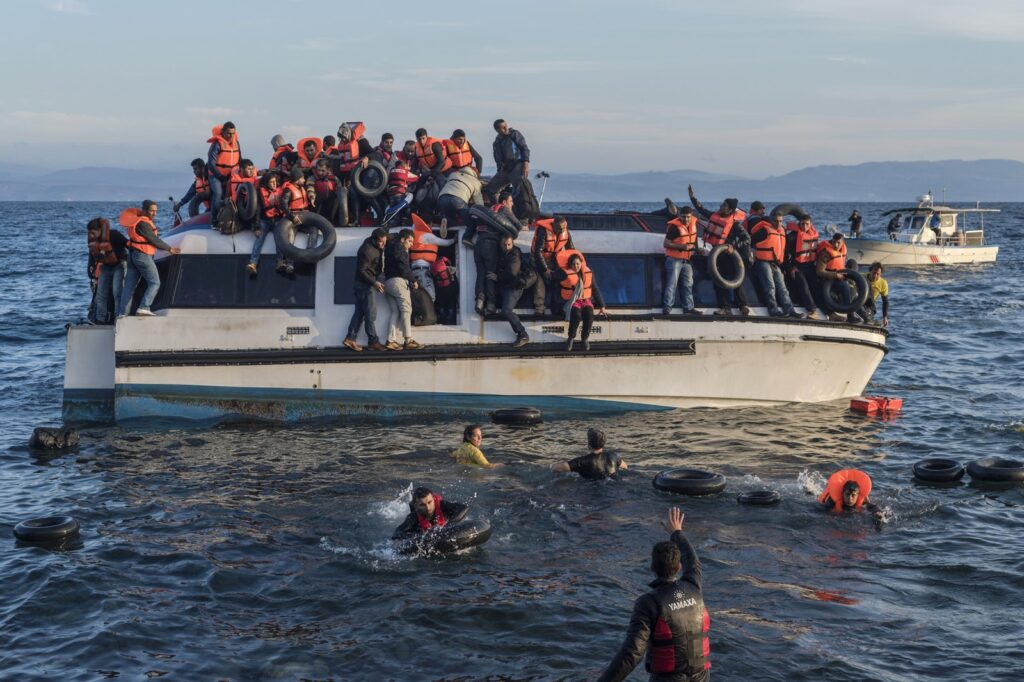
On 7 June 2024 a vessel carrying more than 171 migrants capsized off Libya’s coast, leaving eleven people dead and 160 rescued by emergency crews. The precise toll underscores a stark reality: the Mediterranean Sea’s near‑closed basin makes rescue operations exceptionally difficult. The sea is almost entirely surrounded by land.
To the north lie Southern Europe and Anatolia, the east is bounded by the Levant, the south by the whole of North Africa, and the western edge is limited to a 14‑kilometre gap at the Strait of Gibraltar between the Iberian Peninsula and Morocco. The Bosporus links it to the Black Sea, while the man‑made Suez Canal connects it to the Red Sea.
This configuration creates a long, narrow “bathtub” rather than an open ocean, turning the Mediterranean into both a migration corridor and a trap. Libya’s fractured coastline and the absence of a strong central maritime authority push boats quickly into deeper water. When a craft sinks, the window for saving lives is narrow, the water is cold, and the distance to safe harbor is considerable.
The 160 individuals pulled from the sea on 7 June were fortunate; the eleven who perished illustrate the razor‑thin margin between survival and loss in these waters. Every sinking also becomes an environmental incident.
A sunken boat does not simply disappear; it leaves behind debris, fuel, and human remains that enter a marine ecosystem that supports fish, mammals, and plant life and sustains coastal communities dependent on fishing and trade. While a single disaster may have a modest ecological footprint, the cumulative effect of repeated incidents weighs heavily on the Mediterranean’s health. The lack of effective governance that permits overloaded vessels to set sail also hampers pollution control. The same narrow straits that channel migrant boats also guide oil tankers and cargo ships, increasing the risk of marine contamination.
Reports highlight the sea’s ecological importance and call for stronger preservation measures, linking human safety and environmental protection as inseparable concerns. Efforts to transition to renewable energy—such as expanding solar and wind power—aim to reduce reliance on fossil fuels in the region.
Although these initiatives may eventually alter the fuel mix for shipping, they do not modify the fundamental geography of the basin. The Strait of Gibraltar remains a 14‑kilometre chokepoint, and the Mediterranean continues to function as a terminus rather than a thoroughfare. For the passengers on the ill‑fated boat, the sea marked the end of a journey they could not complete.
For the Mediterranean itself, each wreck adds a small wound that, over time, accumulates. The basin’s size and surrounding landmasses remain unchanged, but the human and ecological costs continue to rise.
In summary: eleven lives were lost, 160 rescued, and a boat sank in a sea whose closed geography limits rescue opportunities and amplifies environmental impact. The facts remain clear, and the geographic context explains why they matter.




