
NEW YORK, July 20 — The first known photograph of food as a subject was taken in 1845, a daguerreotype by William Henry Fox Talbot showing peaches and a pineapple. Since that early still life, food photography has evolved into a specialized branch of commercial imagery, appearing everywhere from glossy magazine advertisements to fast-food packaging, restaurant menus, and cookbooks. For a long time, food was photographed much as people encountered it on the table: arranged from an overhead perspective, as if from the diner’s own point of view.
Stylists placed items flat and clearly separated, making sure the dish looked good from above. That approach eventually gave way to romantic lighting, shallower angles, and more props — extremes of which led to the term “food porn.”
The Team Behind the Image
Professional food photography today is rarely a solo endeavor. It is a collaborative effort involving an art director, a photographer, a food stylist, a prop stylist, and their assistants. Each person brings a distinct skill set to the set, from lighting and composition to the careful arrangement of every garnish and plate.
The role of the food stylist is central and demanding. Their job is to make the food look attractive in the finished photograph, but that work differs fundamentally from how a home cook or a chef would present a dish.
Stylists must have visual know-how and an understanding of how to translate taste, aroma, and appeal from an actual three-dimensional dish to a two-dimensional image. Many have culinary training; some are professional chefs or come from a home-economics background. They also need to be resourceful shoppers.
The process begins with purchasing ingredients, selecting only the most visually perfect items. Multiple backups or test items are needed.
The best-looking selection is marked as the “hero” — the one that will be featured in the final shot. During setup and test shoots, that hero item is represented by a cardboard stand-in or a lower-quality substitute. The actual hero is kept pristine until the moment of the real photograph.
Making Food Look Its Best — and Inedible
Photography can take place in a studio under controlled lighting or under natural light. The background is carefully chosen to complement the food and to assist with lighting. Styled food is almost always marked as inedible and discarded after the shoot.
That is because it has been handled extensively or treated with substances that make it unsafe for consumption. One common technique: for cold beverages, a thin condensation layer can be created using dulling spray.
Areas that should not be frosted, such as glass near the rim, are protected with paper or masking tape. The effect looks natural on camera but renders the drink unfit to serve. The prevailing current trend in Western commercial food photography moves away from the elaborate props of the food-porn era.
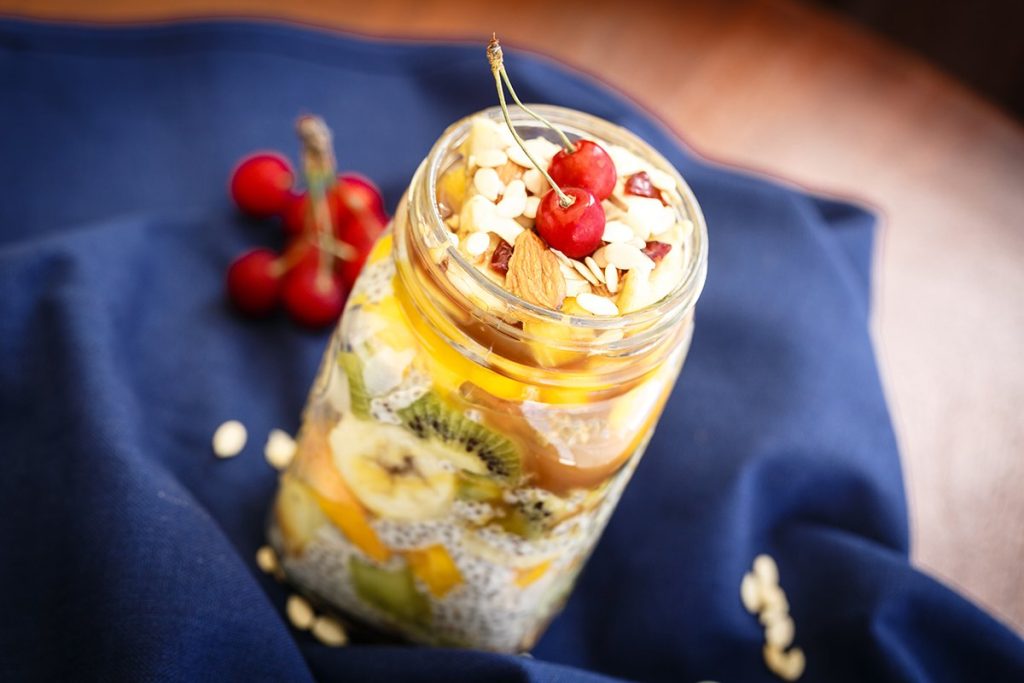
Instead, dishes are presented as simple, clean, and natural. Effects such as selective focus, tilted plates, and extreme close-ups are common.
This style complements professional cooking trends that make food more visually interesting — taller dishes with layered elements that suit narrow-angled shots.
The Rise of Amateur Food Photography
With the advent of social media, amateur food photography has gained widespread popularity among restaurant diners. Anyone with a smartphone can now document their meal and share it instantly. That democratization has changed how restaurants think about plating — and how customers experience dining.
Still, the commercial side of food photography remains a calculated craft. In advertising, it is often — and sometimes controversially — used to exaggerate the attractiveness or size of the advertised food, notably in fast food.
The image on the menu board rarely matches what lands on the tray, a gap that has drawn criticism from consumer advocates and casual observers alike. For the photographers, stylists, and teams behind those images, the goal is to capture an idealized version of a meal — one that tempts the eye before the first bite is ever taken. As tastes and platforms evolve, so too will the art of making food look good on camera.




