
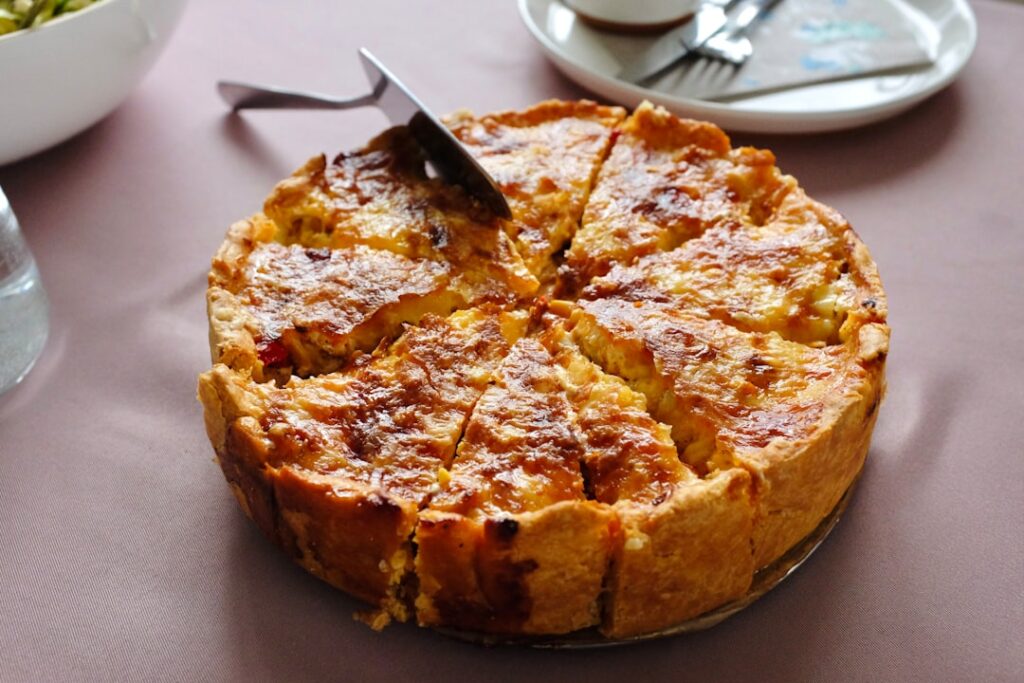
For the celebrations scheduled on 15 May 2023, the royal household has selected a deep‑dish quiche—crisp pastry filled with spinach, broad beans and fresh tarragon—as the centerpiece of community meals across Britain. The dish, created by royal chef Mark Flanagan, is being promoted not merely as a recipe but as a practical solution for the massive logistical challenge of feeding hundreds of thousands of people.
According to the official royal website, the quiche was chosen for its ease of preparation and flexibility in service. It can be baked ahead of time, transported and served either hot or at room temperature, a feature that eases the burden on volunteers working in village halls, church kitchens and street‑party venues that often have limited oven capacity. The ability to serve the dish without precise timing removes the need for professional catering teams or industrial‑grade equipment. The ingredient list further underscores the practical intent.
Spinach and broad beans are seasonal British crops, while tarragon, though a classic herb, is inexpensive and readily available. The royal couple’s selection therefore avoids reliance on imported luxury items or specialist suppliers, allowing anyone with access to a greengrocer or a home garden to source the components.
Cost considerations also played a role. A quiche made from eggs, cream, pastry and the aforementioned vegetables works out to a low per‑portion cost, an important factor for local councils and volunteer groups operating on tight budgets. The royal statement highlighting cost‑effectiveness is unusual, signalling a deliberate message that large‑scale celebration need not be extravagant.
Dietary inclusivity was another element of the decision‑making process. The base recipe is vegetarian, and the dish can be adapted to gluten‑free pastry or dairy‑free alternatives to cream and cheese.
This adaptability helps organisers accommodate allergies, religious restrictions and personal preferences, reducing the risk of guests being left without suitable options at the buffet. While the quiche is expected to dominate the communal lunches on coronation day, its influence may extend beyond the event. The recipe is likely to spread among home cooks, echoing the legacy of coronation chicken, which was created for the 1953 coronation of Queen Elizabeth II and later became a staple of British picnics and sandwich shops.
Unlike coronation chicken—a cold, spiced poultry salad—the quiche offers a warmer, rustic fare intended for shared tables rather than takeaway containers. The design of the dish reflects a broader cultural aim.
In an era dominated by grab‑and‑go meals, the quiche encourages people to sit down together, use a knife and fork, and engage in conversation. Its communal nature aligns with the royal couple’s expressed desire for a slower, more collective dining experience during the national festivities. Whether the quiche will fulfill that vision will depend on factors such as weather, attendance and the willingness of neighbours to gather around a shared plate.
Nonetheless, the dish has been crafted specifically to support those outcomes, offering a simple, affordable and adaptable option for the nation’s biggest street‑party day.




