
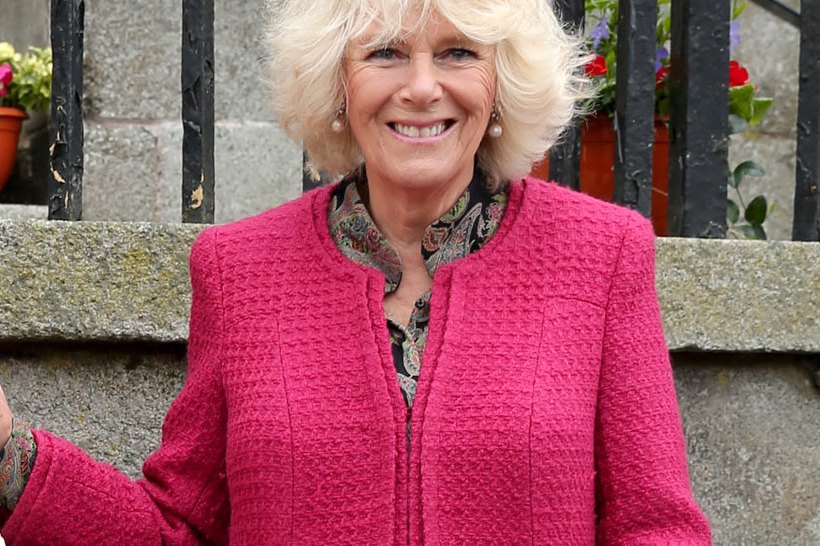
On 8 September 2022, Camilla became queen consort, a moment that marked the culmination of a public journey spanning more than five decades. The ascension was not straightforward.
It represented the end of a long and often brutal period of public judgment. Born Camilla Rosemary Shand on 17 July 1947, she grew up in East Sussex and South Kensington. Her education took her from England to Switzerland and France, providing her with a foundation in the type of life required by the monarchy.
Yet nothing could have prepared her for the intense scrutiny that followed. Her relationship with Charles predated both of their first marriages.
She married British Army officer Andrew Parker Bowles in 1973, and they divorced in 1995. By that time, the media had already established a narrative casting her as the third party in a fractured royal story. The public watched and judged.
That narrative has shifted gradually over time. When Queen Elizabeth II died on 8 September 2022, the throne passed to Charles.
The new king’s wife became queen consort. This was a formal fact, but it was also a human one. A woman once vilified now stood beside the monarch as his official partner. Since marrying Charles in 2005, she had served as Duchess of Cornwall.
She took on public engagements, learned the rhythms of royal duty, and represented the monarch at events. The role of queen consort extends this work.
She will support the king and carry out engagements on his behalf as the machinery of the crown continues turning. What changed was time and steady work. Camilla found a cause early.
Since 1994, she has been active in osteoporosis awareness, a condition affecting millions. She used her position for a specific, grounded fight rather than spectacle.
That focus built credibility and trust. Now 75, the woman who entered this story as a scandal enters it as a consort. The British monarchy is built on continuity, but the players change and the public’s memory shifts.
What was once unforgivable becomes, over decades, just history. The transition matters now because the monarchy itself is in transition.
Charles is the oldest person ever to ascend the British throne. His reign will differ from his mother’s. He brings his own priorities and his wife.
Camilla is not a figurehead but a working partner with extensive experience in public life and a strong sense of duty—not a slogan but a record of years spent showing up. The coronation will formalize what the succession already set in motion, but the real work began the moment the queen died.
Camilla became queen consort on 8 September 2022. She did not wait for a crown; she began serving immediately. Her background—East Sussex, South Kensington, a British Army officer for a first husband, a king for a second—shaped her unusual path.
It led to a palace, a throne, and a role she will hold for the rest of her life. The public will watch, as they always do.
But the scrutiny has changed. The old story is over. A new one has begun, and Camilla is writing it herself, one engagement at a time.




