
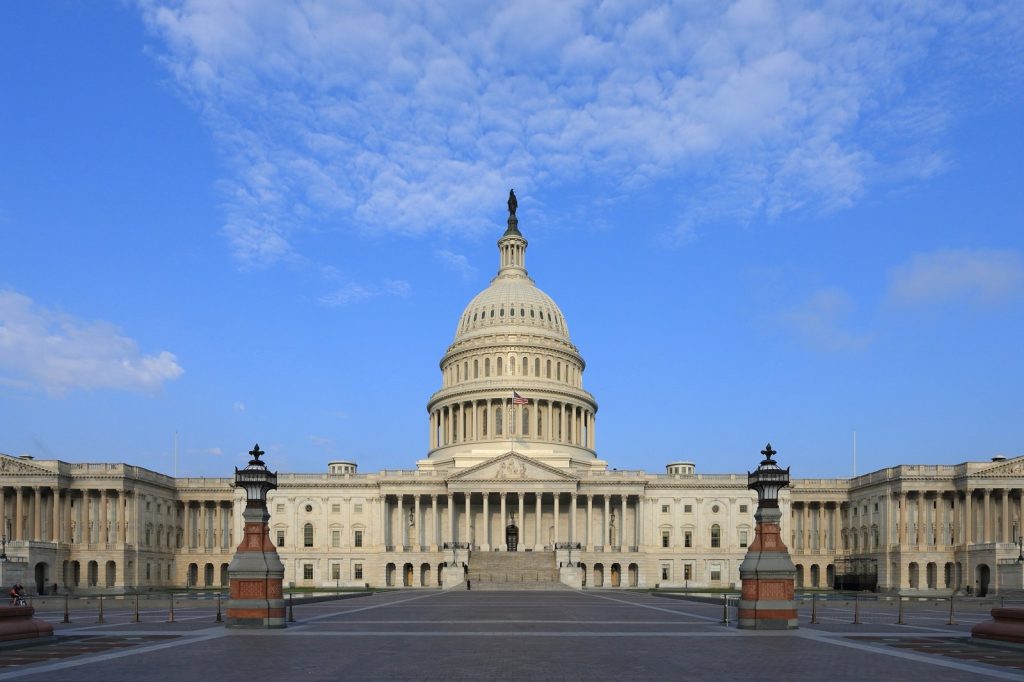
WASHINGTON, June 24 — A coalition of Catholic leaders, law-enforcement-aligned groups and anti-trafficking advocates is warning that the CLARITY Act could weaken safeguards used to fight crypto-enabled crime. The criticism focuses on provisions that would protect non-custodial software developers from being treated like money transmitters. The objection cuts to one of the hardest questions in crypto regulation: how to distinguish neutral software from financial intermediation.
Crypto advocates argue that developers who publish non-custodial code should not be regulated like exchanges or payment processors. Critics worry that broad exemptions could make it harder to track illicit finance.
Non-custodial software is central to DeFi. Wallets, smart contracts and decentralized protocols often allow users to transact without a company taking control of funds. That architecture is a core part of crypto’s value proposition, but it also creates enforcement challenges when bad actors use the same tools.
The CLARITY Act aims to create clearer market-structure rules. But the opposition shows that not all policy fights are about investor protection or exchange registration.
Some lawmakers will also weigh human trafficking, sanctions evasion, fraud and law-enforcement visibility when deciding how far developer protections should go. The pushback does not mean the CLARITY Act is dead. It does mean supporters may need to answer concerns that the bill could create loopholes for illicit finance.
That could lead to amendments, narrower safe harbors or additional reporting requirements. For crypto companies, the stakes are high. Clearer rules could unlock investment and product development in the U.S. But if the bill becomes framed as weakening crime safeguards, the political path could become much harder.
The coalition’s intervention arrives at a moment when Congress is wrestling with how to regulate digital assets without choking innovation or handing criminals a free pass. Non-custodial software, by design, removes the intermediary that law enforcement typically relies on to freeze assets or trace transactions.
That feature, prized by privacy advocates and developers, is precisely what worries groups focused on human trafficking and sanctions enforcement. Sources familiar with the legislative process say the bill’s sponsors are aware of the concerns. Amendments are possible.
The question is whether a compromise can be reached that preserves developer protections while giving law enforcement the tools it says it needs. The timeline suggests the debate is far from over.
With the bill still in play, the coming weeks could see hearings, markups or revised language aimed at addressing the coalition’s objections. For now, the CLARITY Act remains a live piece of legislation, but one that has drawn a line of opposition that cuts across traditional political and sectoral boundaries.




