
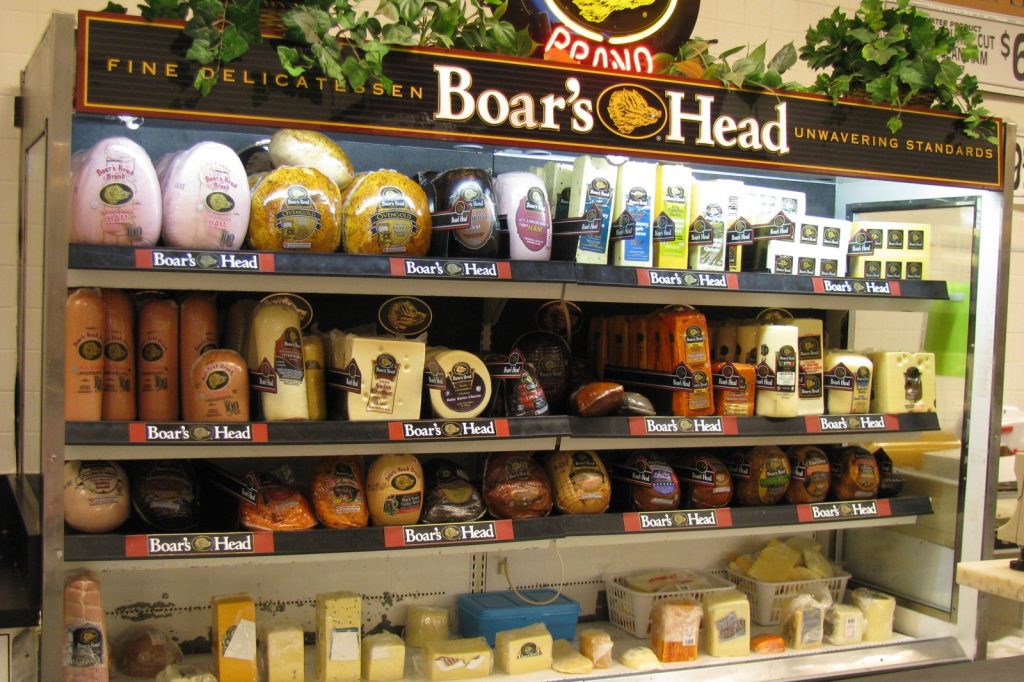
Ten people have died and sixty more have been hospitalized after a listeriosis outbreak linked to Boar’s Head Provision Company. The agency‑wide recall involved more than seven million pounds of ready‑to‑eat deli meat produced at the company’s Jarratt, Virginia plant.
The first illnesses were identified in May 2024, but the public was not warned until July. This two‑month interval between the initial cases and the announcement of the recall has become the focal point of criticism directed at the food‑safety system.
Detecting clusters of food‑borne disease can be slow. Symptoms of Listeria infection often appear days after exposure, laboratory confirmation requires additional time, and tracing a specific strain of Listeria monocytogenes back to a single facility is a labor‑intensive process. Nevertheless, the delay raises the question of whether the investigative and reporting mechanisms moved quickly enough.
Boar’s Head issued its recall on July 30, pulling the contaminated products after the outbreak had already claimed lives. The timing suggests that the company recognized the magnitude of the contamination only after the disease had spread.
Inspection records released after the recall reveal a troubling pattern at the Jarratt plant. From August 2023 through August 2024, USDA inspectors documented 69 regulatory violations at the facility. The citations included black mold, mildew, insect infestations, pooled blood on the floor and pervasive foul odors—conditions that create an environment conducive to bacterial growth.
Such findings are especially alarming for a plant that manufactures ready‑to‑eat meats, which are consumed without further cooking. Basic food‑safety training emphasizes that mold, moisture and blood pools are unacceptable in these settings. The volume of violations indicates a systemic problem rather than isolated lapses.
Current regulations allow inspectors to record violations, but unless those findings trigger an immediate shutdown or a mandatory recall, production can continue. In this case, the plant remained operational and continued shipping products while the violations accumulated.
The outbreak’s full impact is still being assessed. Both the CDC and USDA have ongoing investigations, and the death toll may rise as more cases are confirmed. Families of victims are grieving, and Boar’s Head faces potential legal exposure in addition to a severe blow to its reputation for quality.
For the broader meat‑processing industry, the incident serves as a stark reminder of the resilience of Listeria, which can persist in drains, on equipment and in refrigerated environments. When a facility loses control over its sanitation standards, the consequences can be fatal.
Although the outbreak was eventually identified and a massive recall was executed, the lag between the first reported illnesses in May and the recall at the end of July underscores a critical vulnerability in the current oversight framework. Closing that gap before the next set of cases emerges will be essential to prevent further loss of life.




