
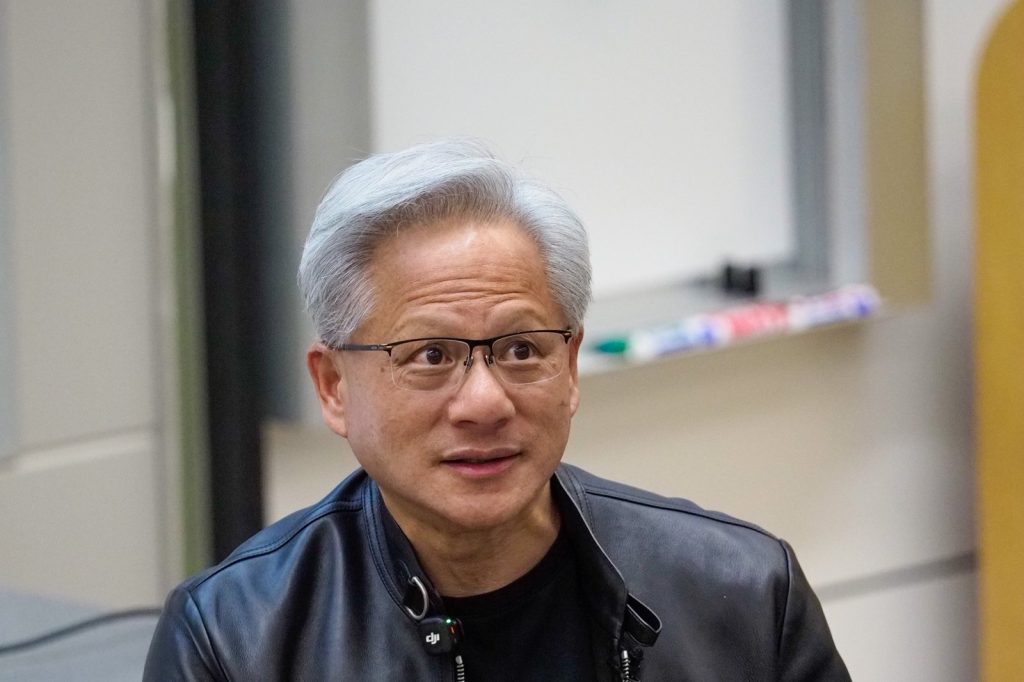
SANTA CLARA, September 20 — Jensen Huang says the robots are not coming for us. The Nvidia chief executive has publicly dismissed the possibility that artificial intelligence will cause human extinction by 2030, putting the odds at “0%.” It is a striking claim from the man whose company builds the chips that power much of the AI boom. And it lands squarely in the middle of a fight that has been simmering in the tech world for years.
Huang did not stop at the extinction question. He urged rapid development of AI, saying, “We should go as fast as we can, irrespective of anyone else,” and he rejected calls for new regulations.
Think of it like a highway with no speed limit and no guardrails, built by people who are confident they will not crash. That is roughly the posture Huang is taking. The practical upshot: Nvidia, which sells the hardware underneath most of today’s big AI systems, has a commercial interest in moving quickly — and its CEO is saying so out loud.
His comments directly counter warnings from AI safety advocates, including leaders at Anthropic and OpenAI, who have previously signed statements calling for a slowdown and warning of “AI extinction risk.”
A debate with a paper trail
The disagreement is not new. In May 2023, hundreds of AI researchers and tech executives — among them OpenAI CEO Sam Altman and Anthropic CEO Dario Amodei — signed a brief statement declaring that “mitigating the risk of extinction from AI should be a global priority alongside other societal-scale risks such as pandemics and nuclear war.” The statement was organized by the Center for AI Safety. Geoffrey Hinton, often called a “godfather of AI,” has echoed those concerns.
He left Google in 2023 to speak freely about AI risks. The debate has reached state governments too.
In Utah, the state’s AI czar recently said the state does not yet need to plan for AI-related extinction risks. Some experts have outlined potential doomsday scenarios, including AI systems that could autonomously replicate, gain control of critical infrastructure, or be used to develop bioweapons. Huang and other skeptics argue those fears are overblown and that focusing on them could slow beneficial innovation.
As of 2025, no global regulatory framework specifically addressing AI extinction risk has been widely adopted, though various governments and international bodies continue to discuss possible guidelines. The 2030 date in Huang’s “0%” claim is not arbitrary — it is a year often cited in AI forecasting, which is part of why his remark drew attention.
What to watch
The split between accelerationists and safety advocates shows no sign of closing. Watch whether Huang’s public dismissal shifts the tone among other AI executives, and whether regulators in Washington or abroad move on the guidelines that have so far stayed on the drawing board.




