
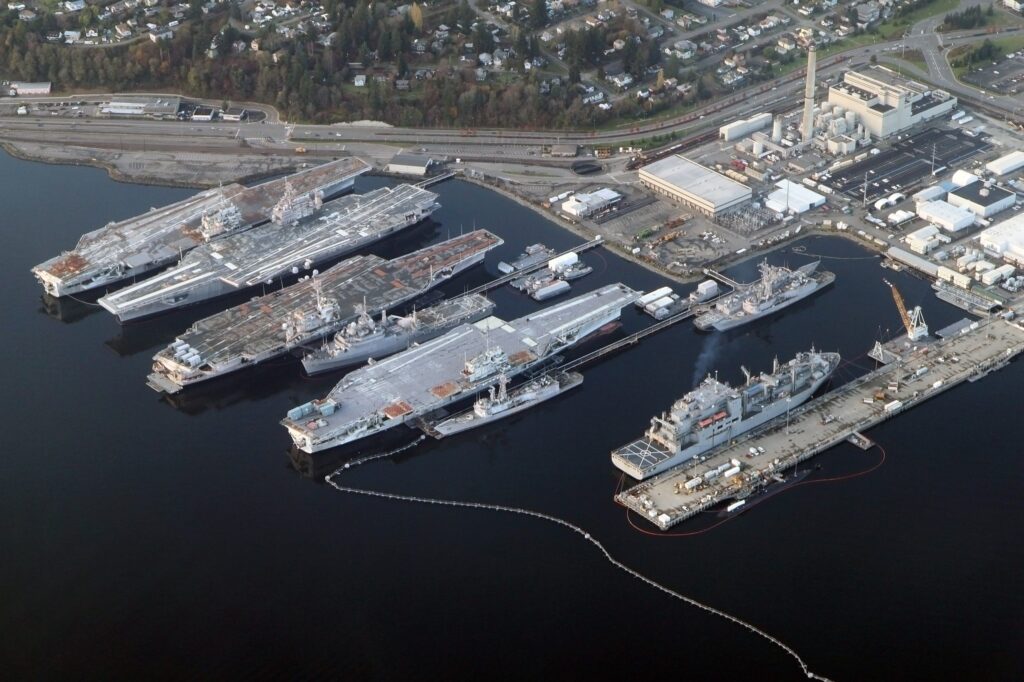
WASHINGTON, Sept. 29 — The U.S. Navy’s Shipyard Infrastructure Optimization Program (SIOP), launched in 2018, has drawn scrutiny from the Government Accountability Office (GAO) over a lack of congressional oversight. The GAO report, published September 25, highlights that the program, projected to exceed $200 billion over more than 50 years, lacks a requirement for the Navy to report consolidated cost, schedule, or risk data to Congress.
This absence of reporting has left the program’s management opaque, with early cost estimates understated by billions of dollars and environmental challenges—such as seismic risks at Puget Sound Naval Shipyard—contributing to increased costs and complexity. The program’s oversight framework, modeled on tools used for major defense acquisition programs (MDAPs), does not include mechanisms for reevaluating program objectives and resources over the decades-long timeline.
The Navy has established organizations for project oversight and program integration, but their roles and responsibilities have not been fully documented, increasing the risk of ineffective implementation and operational disruption at critical shipyards. GAO’s findings were prompted by the joint explanatory statement accompanying the Military Construction, Veterans Affairs, and Related Agencies Appropriations Act, 2024, which directed the agency to report on SIOP oversight and management.
The report recommends that Congress require the Navy to provide annual consolidated, standardized status updates on SIOP, including total expenditures, cost and schedule estimates, and risk analysis for the program’s full duration. It also suggests that the Navy integrate periodic reevaluations of program requirements and resources into its oversight framework and formally document the roles of key organizations managing shipyard projects and risks.
The Navy has agreed with the recommendations and outlined steps to implement them, but as of the report’s publication, no requirement exists for the Navy to provide Congress with annual consolidated reporting on SIOP costs, risks, and progress. The lack of transparency and accountability raises concerns about the program’s long-term viability and its ability to meet the Navy’s infrastructure needs without further cost overruns or delays.
With the program’s timeline stretching over half a century and its budget reaching into the trillions, the absence of a robust reporting mechanism leaves Congress with limited visibility into how taxpayer funds are being spent. What remains to be seen is whether the Navy’s recent commitments to improve oversight will translate into meaningful changes or whether the program will continue to operate in a vacuum of accountability.




