
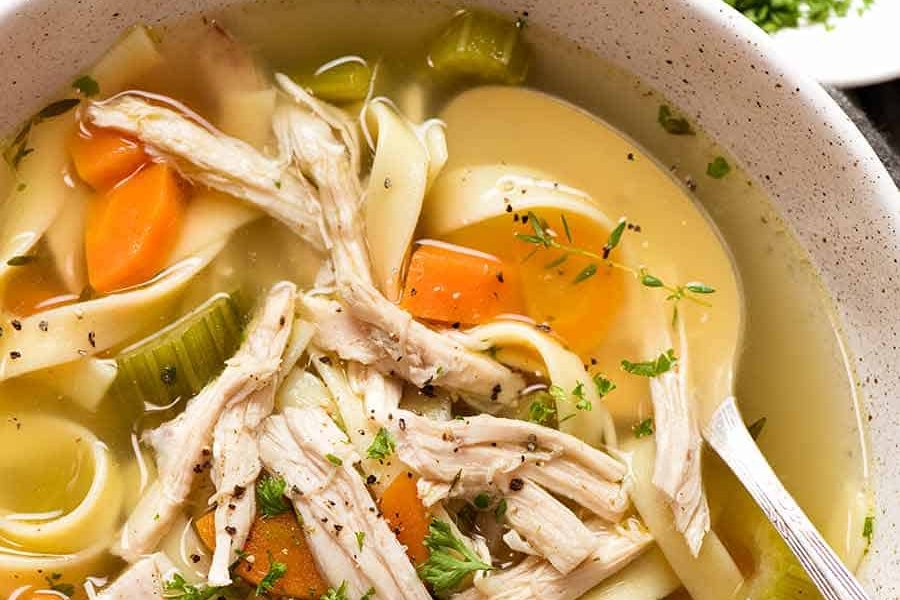
Washington, September 30 — The story begins in kitchens across America, where the scent of simmering chicken soup or baking apple pie does more than fill the air — it carries memory, identity, and resilience. At its heart, comfort food functions as a living archive, passed down not in textbooks but in stained recipe cards and whispered instructions from one generation to the next.
What unfolded over recent years is a quiet but powerful continuity: over 70% of Americans associate specific dishes like meatloaf or macaroni and cheese with childhood memories, according to a 2019 survey by the Hartman Group. Nearly 60% say they prepare the same meals their grandparents made, reinforcing a thread of intergenerational endurance that survives shifting trends and time constraints.
These dishes are more than sustenance. Research from the Monell Chemical Senses Center shows that familiar aromas — the thyme in a stew, the cinnamon in a pie — can unlock autobiographical memory more vividly than photographs or home videos. The olfactory bulb’s direct link to the amygdala and hippocampus means that a single whiff can transport someone back to a sickbed, a holiday table, or a grandparent’s embrace.
In multicultural homes, this tradition evolves without erasing its roots. Kimchi fried rice sits beside tamale pie on tables where heritage blends, creating new edible heirlooms that honor both ancestry and American life.
These hybrids are not compromises but affirmations — proof that cultural identity can adapt while remaining deeply felt. Efforts to preserve these legacies are growing. The New York Public Library’s “What’s on the Menu?” project digitizes thousands of historical menus, while community cookbooks from churches, synagogues, and ethnic associations safeguard recipes that might otherwise fade.
These archives act as bulwarks against the erosion of home cooking by fast food and fragmented schedules. Yet despite modern pressures, the practice endures. The U.S. Department of Agriculture reported that in 2022, 58% of households cooked at home five or more times per week — a statistic that speaks not just to habit, but to choice.
People are choosing to stir pots, roll dough, and set tables, even when easier options exist. Looking ahead, the challenge will be sustaining this resilience in an age of convenience.
But as long as kitchens remain spaces where stories are simmered into sauce and love is measured in teaspoons, comfort food will remain more than a meal — it will be a means of saying, without words, *I remember you. I carry you.*




