
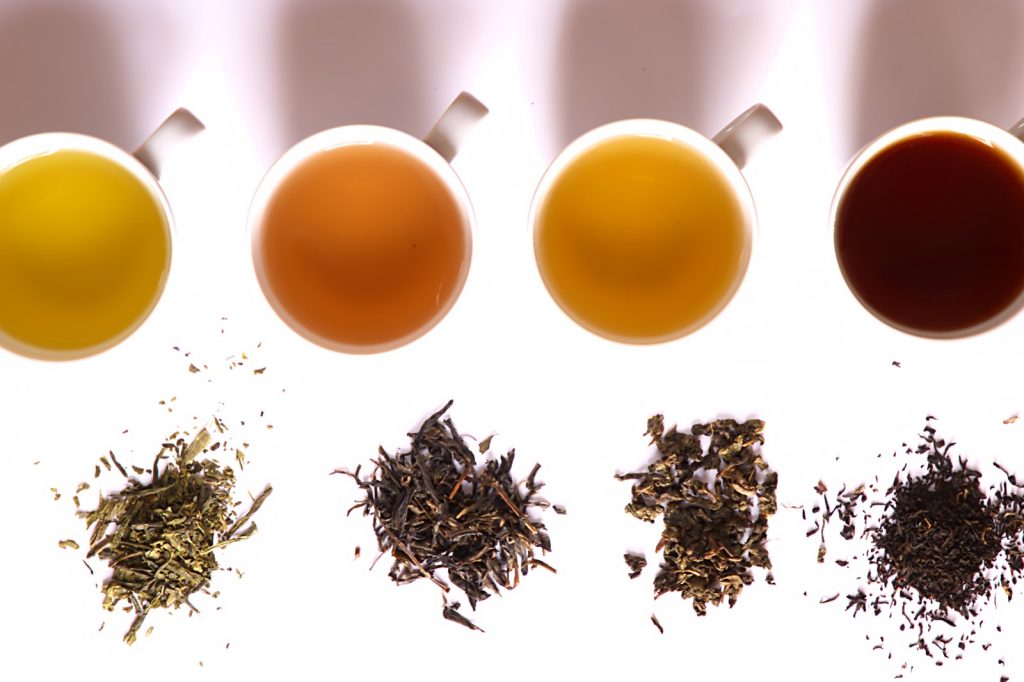
LONDON, October 2 — The story begins long before the cup in your hand, steeped in centuries of ritual, trade, and quiet transformation. What unfolded across dynasties and continents was not merely the spread of a leaf, but the weaving of tea into the fabric of daily life — from medicinal roots in ancient China to a global symbol of mindfulness today. At its heart lies a journey that started in the Shang dynasty, where tea was first recorded not as a pleasure, but as medicine.
By the Tang dynasty, it had become a daily beverage, and Lu Yu’s ‘The Classic of Tea’, written circa 760 CE, codified its preparation, philosophy, and cultural significance — laying the foundation for what would become Chinese tea culture. The practice then traveled east, carried by Buddhist monks to Japan in the 9th century, where it evolved into the highly ritualized chanoyu by the 15th century, shaped by Zen Buddhism and refined by masters like Sen no Rikyū.
In the 16th century, Portuguese traders and missionaries brought tea to Europe, where it found favor among the Dutch and English. The British East India Company began importing tea in the early 17th century, and its presence at court was cemented in 1662 when Catherine of Braganza married Charles II, introducing the habit to English aristocracy. By the 18th century, tea had become a mass-consumed commodity in Britain, a shift that gave rise to afternoon tea as a social ritual — attributed to Anna, the Duchess of Bedford, around 1840.
British colonial ambition then turned tea into a global crop. Large-scale cultivation began in India’s Assam region in the 1830s, following Robert Bruce’s discovery of native tea plants in 1823.
It later spread to Darjeeling and Sri Lanka — then Ceylon — by the 1860s, reshaping global production and tying tea to imperial economies. The 20th century brought innovation: Thomas Sullivan invented the tea bag in 1908, and iced tea rose to prominence in the United States after its debut at the 1904 World’s Fair in St. Louis. Now, in the 21st century, tea is no longer just a drink — it is a wellness cornerstone.
Scientific interest in its polyphenols, especially epigallocatechin gallate (EGCG), has linked it to reduced risks of cardiovascular disease and improved metabolic health. This shift has fueled demand for specialty, organic, and functional teas, helping drive the global tea market to over USD 200 billion in value by 2020, according to industry reports. Today, tea is consumed in over 160 countries, with China, India, Kenya, and Sri Lanka leading production.
It endures not only as a cultural touchstone but as a quiet invitation to pause — a leaf steeped in history, now poured into the rhythm of modern life. What to watch next is how climate change and ethical sourcing will shape the next chapter of this ancient brew in a world seeking both flavor and meaning.




