
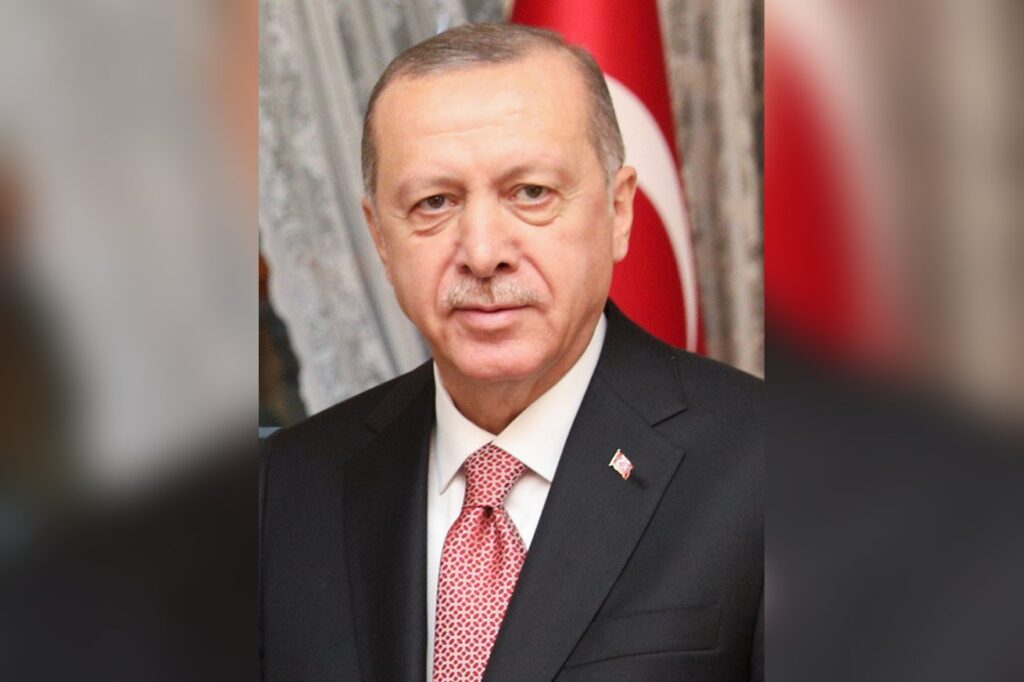
ISTANBUL, October 2 The story begins with a growing unease among Turkish citizens and civil society groups over the handling of state-linked funds, a concern that has intensified in recent years as oversight mechanisms have weakened. What unfolded is not a single incident but a pattern of financial management marked by limited transparency and increasing centralisation of authority under President Recep Tayyip Erdoğan. At its heart, the scandal involves allegations that public funds have been diverted or used without proper accountability, benefiting politically connected individuals and entities.
The piece argues this reflects a broader trend where key oversight bodies, including the Court of Accounts and parliamentary finance committees, have seen their independence eroded, with appointments increasingly based on political loyalty rather than technical merit. For those involved in monitoring public finance, the concern is clear: over the past decade, several state-linked investment vehicles have grown significantly in size, yet public disclosure of their assets, investments, or returns remains minimal.
Turkish civil society groups and opposition politicians have repeatedly called for greater transparency in the management of sovereign wealth funds, pension reserves, and profits from state-owned enterprises. International financial watchdogs have also raised alarms, citing the lack of independent audits and the troubling blending of state and party finances. These concerns are mirrored in public opinion, where surveys show declining trust in financial institutions, including the central bank and financial regulators, though no specific figures are provided in the source.
The article does not present new investigative findings but synthesises existing critiques from media, academia, and civil society, framing the issue as systemic. It concludes that the scandal serves as a warning about the long-term economic and social costs of prioritising political control over institutional integrity, particularly affecting public services, the investment climate, and citizen welfare.
Looking ahead, what to watch next is whether renewed calls for transparency will lead to meaningful reforms in oversight mechanisms or whether the trend of centralised decision-making will continue to shield financial operations from public scrutiny.




