
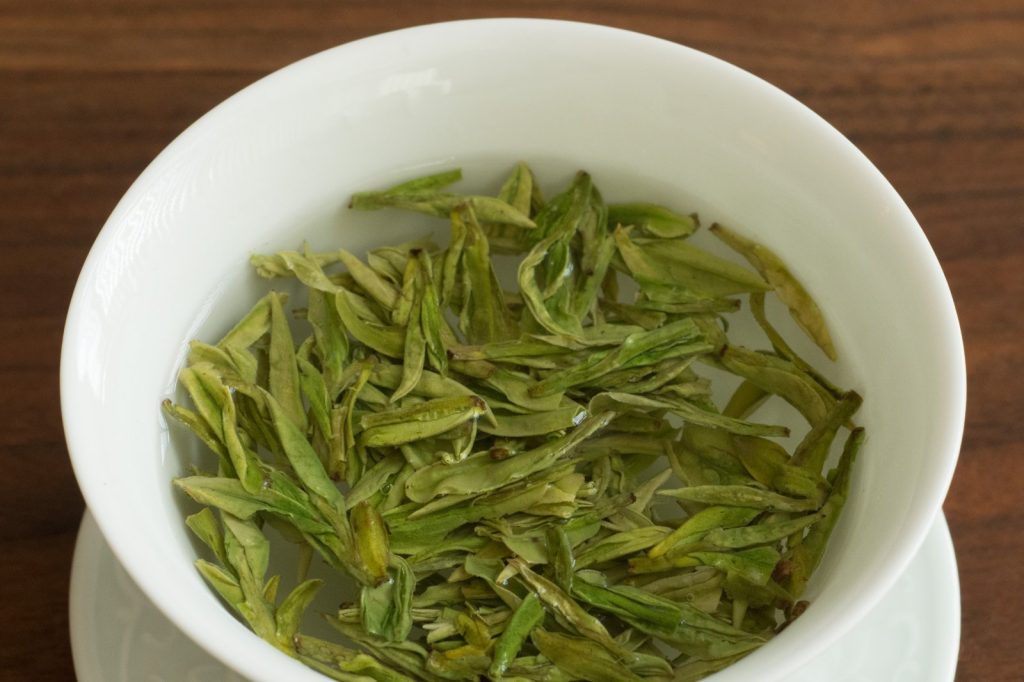
LONDON, October 8 — The story of tea begins not with a quiet afternoon ritual but as a medicinal drink in ancient China during the Shang dynasty, some three thousand years ago. What unfolded over centuries transformed this beverage from a healing tonic to a global phenomenon that shapes economies, cultures, and daily lives across continents. At its heart, tea’s journey traces back to China, where credible records from the 3rd century BCE document its consumption in medical texts by Hua Tuo.
The practice spread slowly, reaching Japan in the 8th century CE through Buddhist monks, eventually evolving into the formal Japanese tea ceremony (chanoyu) perfected by Sen no Rikyū in the 16th century. For those involved in these early traditions, tea was more than a drink—it was spiritual practice, medicine, and social ritual rolled into one.
A Cup of Empire
The 17th century marked tea’s arrival in Europe, carried by Dutch traders. Its popularity in Britain soared after 1662 when Catherine of Braganza brought the custom from Portugal upon marrying Charles II. By 1700, tea imports to Britain exceeded 1 million pounds annually, creating enormous demand that the British East India Company sought to satisfy.
The company began large-scale cultivation in India in the 1820s, particularly in Assam and Darjeeling, to break China’s monopoly over the increasingly valuable commodity. Tea’s economic significance extended beyond commerce to political revolution.
The Boston Tea Party of 1773 saw colonists destroy 342 chests of tea from the British East India Company, valued at £9,659 (approximately US$1.2 million in 2024 values), marking a pivotal moment toward the American Revolution. For those involved, the protest was both economic and symbolic—a rejection of imperial control over this increasingly essential beverage.
Global Infusion
In India, tea’s transformation from cash crop to national beverage came in the early 20th century. After the Indian Tea Association promoted its consumption, tea drinking rose from negligible levels to over 700,000 tons annually by 1947. Today, global production exceeds 6 million metric tons per year, with China (45%), India (22%), Kenya (8%), and Sri Lanka (7%) as the top producers, according to FAO data.
Tea culture varies dramatically across the globe. Morocco’s mint tea ritual involves pouring from height to aerate the brew, while Russia’s zavarka uses a samovar for concentrated tea that can be diluted throughout the day.
Argentina’s yerba mate, though not true tea, shares similar social infusion traditions.
Daily Ritual
Tea remains the second most consumed beverage worldwide after water, with over 3 billion cups drunk daily. This staggering number reflects tea’s deep integration into daily life, social customs, and economic systems across continents. From the formal tea ceremonies of Japan to the quick cup taken by office workers worldwide, tea continues to connect people across time and space.
As the global tea market continues to evolve, producers face challenges from climate change and shifting consumer preferences while maintaining traditions that span millennia. The story of tea—rooted in ancient medicine, transformed through empire, and now woven into the fabric of daily life—continues to unfold, with new chapters still being written.
Sources:




