
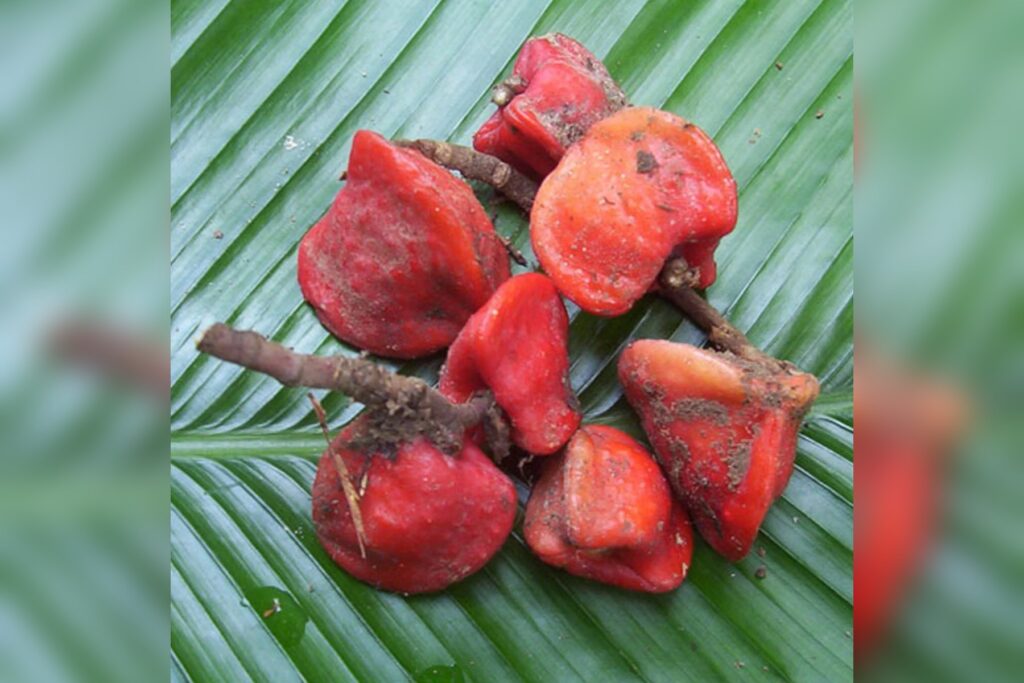
ROME, October 10 — A natural protein sweetener derived from a West African fruit showed promise in reducing blood sugar spikes after eating ice cream in a small clinical trial, offering a potential new tool for people managing metabolic health. The study involved 101 adults with non-alcoholic fatty liver disease who consumed ice cream sweetened either with thaumatin or with regular sugar. Thaumatin, which comes from the aril of the katemfe fruit native to Ghana and Ivory Coast, reduced postprandial glucose excursions by approximately 50 percent compared to sucrose.
Thaumatin is up to 2,000 times sweeter than sucrose, allowing for intense sweetness with minimal volume. The protein consists of two main isoforms, thaumatin I and II, and remains stable across a wide range of pH and temperature conditions, making it suitable for various food applications.
Among participants who also had type 2 diabetes, the reduction in blood sugar spikes was even more pronounced, though the source did not specify exact percentages for this subgroup. No serious adverse effects were reported during the trial. The research highlights thaumatin’s potential as a sugar substitute for populations with insulin resistance or liver fat accumulation.
NAFLD affects an estimated 25 percent of the global adult population, while type 2 diabetes affects over 500 million people worldwide. Thaumatin has already been approved for use as a sweetener in some countries and has been studied for its taste-modifying properties.
Regulatory bodies such as the Joint FAO/WHO Expert Committee on Food Additives have evaluated thaumatin and established an acceptable daily intake, though the specific value was not detailed in the source. The trial did not compare thaumatin to other non-nutritive sweeteners like aspartame or stevia, and details about the study’s duration, exact dosing regimen, participant demographics, funding sources, or publication venue were not provided in the source material. Consult your doctor for medical advice.
Sources
More Health News coverage: Nordic Diet Linked to Lower Mortality in Large Long-Term Study, Researchers Report




