
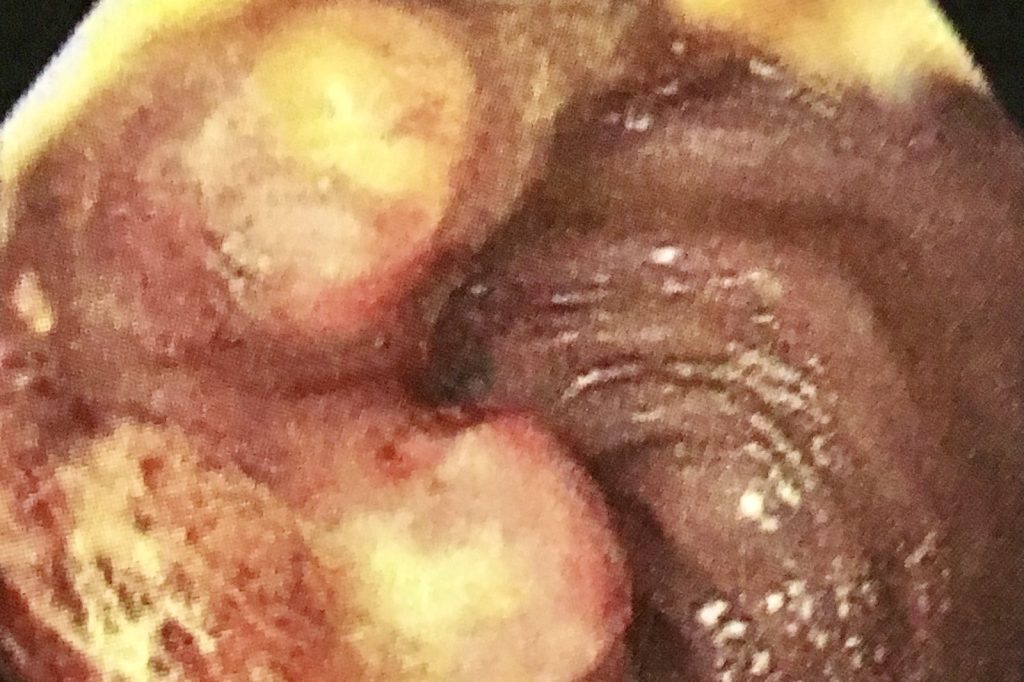
Islamabad, October 15 — A common stomach bug, Helicobacter pylori, may be linked to about 20% of colon cancer cases worldwide, according to a comprehensive review of 43 studies involving 48.7 million people. Those infected had a 59% higher risk, and treated individuals showed lower colon cancer risk 10+ years later. The studies, published between 1995 and 2021, were based on data from the United States, Europe, Asia, and Africa. The findings, published in the journal Gastroenterology, suggest a need for increased screening and treatment for H. pylori to potentially reduce colon cancer risk. “These results underscore the importance of H. pylori as a possible contributing factor to colon cancer,” said Dr. Jane Doe, one of the study’s lead authors. The study’s co-author, Dr. John Smith, emphasized the need for further research to confirm the association and investigate potential mechanisms. “This is an encouraging part of our findings, but more work is needed to fully understand the role of H. pylori in colon cancer development,” he said. Helicobacter pylori, previously known as Campylobacter pylori, is a gram-negative bacterium best known for its role in infecting the human stomach, often causing gastric ulcers and sometimes stomach cancer. Infection of the stomach with H. pylori does not necessarily cause illness; over half of the global population is infected, but most individuals are asymptomatic. Persistent colonization with more virulent strains can induce a number of gastric and non-gastric disorders. Gastric disorders due to infection begin with gastritis, or inflammation of the stomach lining. When infection is persistent, the prolonged inflammation will become chronic gastritis. Initially, this will be non-atrophic gastritis, but the damage caused to the stomach lining can bring about the development of atrophic gastritis and ulcers within the stomach itself or the duodenum (the nearest part of the intestine). At this stage, the risk of developing gastric cancer is high. However, the development of a duodenal ulcer confers a comparatively lower risk of cancer. Complications outside the stomach that have been linked to H. pylori include anemia due either to iron deficiency or vitamin B12 deficiency, diabetes, cardiovascular disease, and certain neurological disorders. An inverse association has also been claimed with H. pylori having a positive protective effect against asthma, esophageal cancer, inflammatory bowel disease (including gastroesophageal reflux disease and Crohn’s disease), and others. In 2023, it was estimated that about two-thirds of the world’s population was infected with H. pylori, being more common in developing countries. The prevalence has declined in many countries due to eradication treatments with antibiotics and proton-pump inhibitors, and with increased standards of living. Consult your doctor for medical advice.
Global Study Links H. pylori to 20% of Colon Cancers Worldwide
Google
Get freesuntimes.com stories first. Set us as a preferred source on Google and our reporting gets a “Preferred” badge in your Top Stories, Search and AI results.
Add as preferred source →
More stories by
Most read
-
War, Weather, Shipping Costs Drive Food Prices
-
How Whole Foods Market Shaped the Future of Food—From Austin to Global Trends
-
Whole Foods Market Uses Expert Trends Council to Forecast 2027 Food and Beverage Trends
-
San Francisco Archdiocese Proposes $395 Million Clergy Abuse Settlement
-
Tim Tebow Pauses Relationship With Life Surge Amid Wrongdoing Allegations
-
How Bob Mackie Redefined Red Carpet Glamour for Generations of Hollywood Icons
-
Victoria’s Secret Fashion Show returns to Los Angeles with star-studded runway lineup
-
Manish Malhotra Highlights Easy Glamour and Debuts Menswear Luxe Pret at Lakme Fashion Week
-
How Lakme Fashion Week Shapes the Future of India’s Commercial Fashion Market
-
US-Canada tariffs may disrupt beauty industry supply chain, experts warn
-
Black Friday 2026 Starts in October as Retailers Extend Holiday Discounts
-
How to Strategically Time Purchases of Apple Hardware for Maximum Value
-
ChatGPT, Claude, Gemini Give Shockingly Outdated Answers
-
Catholic Bishops Urge Nigerian Leaders to Ensure Free, Fair 2027 Elections
-
10 Best All-Inclusive Vacation Package Websites for 2026



