
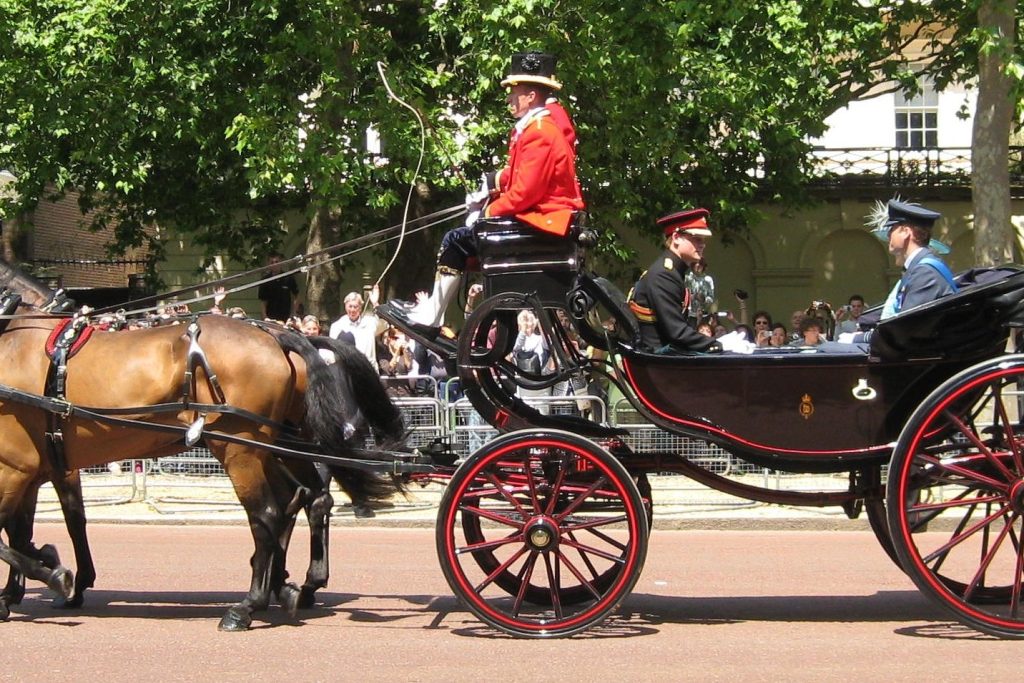
A Mirror poll reveals overwhelming opposition to Prince Harry and Meghan Markle’s quasi-royal engagements, with 93% of readers rejecting their blurred status as private citizens conducting tours with royal trappings.
Public Backlash Against Sussexes’ Nottingham Engagements
Prince Harry and Meghan Markle’s recent back-to-back engagements in Nottingham have ignited fierce public debate. Six years after stepping back from royal duties, the couple’s activities bore all the hallmarks of an official royal tour, despite their status as private citizens. The Mirror polled over 5,000 readers, with 93% opposing such “faux tours” and only 6% supporting their public charity work. One respondent echoed the sentiment: “They shouldn’t be permitted to be half-in and half-out of the monarchy.”
King Charles Clarifies Their Private Citizen Status
Following the Sussexes’ return to the UK in August 2026, King Charles III issued a letter reaffirming their status as private citizens. The letter emphasized they would not use their HRH styles or represent the sovereign, with any charity work conducted independently of the monarchy. A royal source noted the couple prefers to be called “public figures,” though PR expert Mayah Riaz argued their status ultimately rests with public perception.
Tension Between Celebrity Appeal and Institutional Monarchy
The Sussexes’ engagements highlight a growing tension between their celebrity status and the monarchy’s institutional role. Palace officials have expressed concern that their high-profile activities could create a parallel royal court, competing for press and public support. During their Nottingham visit, Archewell, their US-based philanthropic venture, was notably absent from the spotlight, signaling a shift in their UK strategy.
The Future of Royal Engagements in a Modern Media Landscape
The public’s rejection of the Sussexes’ quasi-royal engagements reflects broader challenges facing the monarchy in a modern media landscape. As private citizens, Harry and Meghan retain significant public interest, but their ability to operate in a royal-adjacent space remains contentious. One Mirror reader captured the dilemma: “They can do as many ‘faux’ tours as they like, but the King cannot stop it. They are still treated as royals by the public.”
The story begins with a couple seeking to redefine their roles, but what unfolded reveals deeper questions about tradition, relevance, and the public’s expectations of the monarchy. At its heart, this is a tale of boundaries—between private and public, celebrity and institution—and for those involved, the stakes are both personal and symbolic.
Archewell’s Absence and the Shift in Philanthropy Focus
During their Nottingham engagements, the absence of Archewell, the couple’s US-based philanthropic venture, from the spotlight marked a notable shift in their approach to charitable work in the UK. While Harry and Meghan have long been associated with Archewell’s initiatives in the United States, their recent activities in Nottingham focused on existing UK-based charities such as Himmah and Epic Partners. This move suggests a strategic realignment, emphasizing local partnerships over the global brand they cultivated in California. Harry has been involved with the Community Recording Studio and Epic Partners for over a decade, and Meghan worked with Himmah on “Together: Our Community Cookbook,” published in 2018. Despite this, the couple’s UK-based charitable efforts have not received the same level of media attention as their US ventures, raising questions about the visibility and impact of their work in Britain. The decision to highlight these local organizations rather than promote Archewell may also reflect an effort to distance themselves from the controversies that accompanied their time in the United States, while aligning more closely with the charitable traditions of the UK. This shift in focus, however, has not gone unnoticed by critics, who argue that the couple’s philanthropy still lacks the transparency and public accountability expected of those with royal connections, even as private citizens.
Palace Concerns Over Parallel Royal Court
The decision to issue a formal letter regarding the Sussexes’ status highlights deep-seated concerns within the palace about the potential emergence of a parallel royal court. Palace officials expressed specific worry that Harry and Meghan’s high-profile activities as private citizens could inadvertently compete for press coverage and public support against other working royals, such as the Prince and Princess of Wales. This fear stems from the reality that their celebrity status grants them significant media attention regardless of official protocols.
The letter sent on behalf of King Charles III to senior government officials shortly after the couple returned to the U.K. in September 2026 reinforced that they must continue to refrain from using their royal forms of address, such as His Royal Highness or Her Royal Highness. It further clarified that any charity work they undertake would be carried out strictly as private citizens, ensuring no representation of the sovereign takes place during these engagements.
Despite the King’s clear instructions, the couple’s movements are often presented with touches of royal style, including prearranged media pools chronicling their activities. While Archewell, the philanthropic venture that often took center stage when they were living in the U.S., is hardly mentioned during these UK visits, the absence of the global brand does not eliminate the perception of a separate court. Critics argue that this dynamic allows the Sussexes to maintain a level of influence that competes with established royal duties, challenging the monarchy’s institutional boundaries.
The Sussexes’ Military Legacy and Public Perception
Prince Harry’s military service, including deployments to Afghanistan in 2007–2008 and 2012–2013, remains a defining aspect of his public image, even as he operates outside the monarchy’s official structures. His time in the Army Air Corps, where he flew in combat zones, earned him respect among veterans and the broader public, a reputation that persists despite his departure from royal duties. The *Mirror* poll’s results—showing 93% opposition to his “faux tours”—suggest that while his military background may soften some criticism, it does not override the perception of blurred boundaries between his private status and royal expectations. One respondent’s comment, *“They shouldn’t be permitted to be half-in and half-out of the Monarchy,”* reflects frustration not just with his engagements but with the lingering association of his past roles with the Crown.
The contrast between Harry’s military service and his current activities underscores the public’s ambivalence. While his charity work—such as his decade-long involvement with the Community Recording Studio and Epic Partners—aligns with his pre-royal life, the *Mirror* poll indicates that 6% of respondents still support his public appearances, likely due to his enduring popularity. However, this support does not extend to the trappings of royalty, such as the prearranged media pools and official-style announcements during his Nottingham visits. A royal source’s assertion that Harry and Meghan prefer to be called *“public figures”* rather than royals highlights the tension: their military legacy grants them credibility, but their continued use of royal-adjacent protocols risks undermining the monarchy’s institutional authority.
The absence of Archewell during these UK engagements further complicates this dynamic. While Harry’s philanthropic work in Britain predates his royal title—including his founding of the Invictus Games in 2014—his US-based ventures have dominated headlines since 2020. The *Mirror* poll’s results suggest that the public distinguishes between his military service, which is seen as legitimate, and his current engagements, which are viewed as exploitative of his royal connections. This distinction may explain why 93% oppose his quasi-royal tours: the public appears willing to acknowledge his past contributions but draws a firm line at his present activities, which blur the boundaries between private citizen and royal figure.
Sources
- Harry and Meghan 'should not be allowed to carry out faux royal tours'
- Prince Harry, Duke of Sussex
- Prince Harry and Meghan to make first joint appearances since returning to UK




