
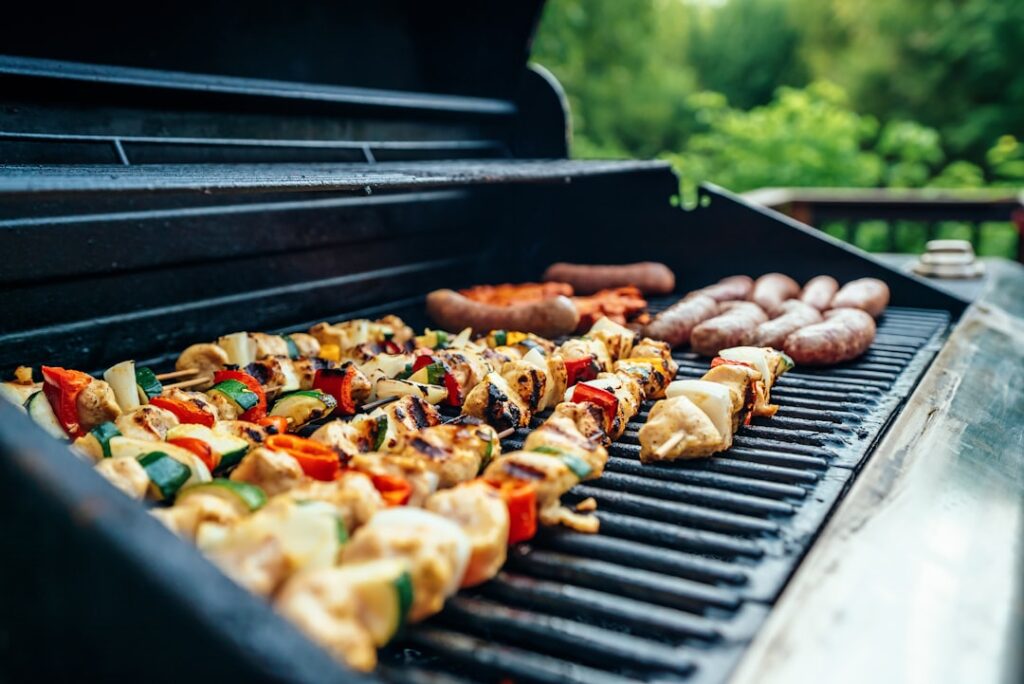
The political reverberations from last month’s Meatstock 2026 in Gatlinburg, Tennessee, are only now coming into focus, and they reach directly into the corridors of federal health agencies. What appeared as a festival of brisket, bacon, and carnivore-culture merchandise also functioned as a signal: a loose alliance of activists, influencers, and officials determined to redefine “healthy eating” around animal protein has secured a foothold in policymaking circles.
Among the attendees were Calley Means, a senior advisor at the Department of Health and Human Services, and Vani Hari, the advocate known as the Food Babe, who has already met with White House staff to press for bans on synthetic dyes and pesticides. Their presence underscores that the coalition calling itself MAHA — short for Make America Healthy Again — has moved from online hashtag to institutional influence. Robert F. Kennedy Jr. holds the trademark on the MAHA name and collects licensing revenue from its use, further cementing the brand’s formal status.
The coalition’s membership spans distinct factions. Some participants focus on the dangers of ultra-processed foods. Others organize around pesticide exposure. Still others oppose vaccine mandates. What unites them, according to Brian Bienkowski, managing editor of The New Lede, is a shared conviction that Americans must return to “real food,” and that real food necessarily includes meat. That conviction is now being woven into federal nutrition guidance, which dictates school lunch standards, informs clinical dietary advice, and shapes the recommendations the USDA and HHS issue to the public.
The stakes are considerable. If the next iteration of the Dietary Guidelines for Americans tilts toward higher meat consumption, the ripple effects will touch every cafeteria, clinic, and grocery aisle in the country. Yet the scientific consensus runs counter to that direction. Decades of research consistently associate vegetarian and plant-dominant dietary patterns with better health outcomes than meat-heavy alternatives. The environmental ledger is equally lopsided: producing a calorie from animal agriculture demands far more land, water, and energy than producing the same calorie from plants.
Environmental organizations have spent years trying to nudge American diets away from beef and pork. Meatstock 2026 suggests that effort has stalled, and stalled hard. The movement’s rhetoric celebrates natural, wholesome eating, but the protein on display at the festival — and the system that supplies it — tells a different story. Industrial-scale animal agriculture operates through concentrated feeding operations, routine antibiotic use, and massive waste lagoons. None of it resembles the pastoral imagery the movement invokes.
That contradiction has not diminished the coalition’s political weight. Means operates inside HHS. Hari has direct White House access. Kennedy controls the brand. These are not marginal figures; they are actively reshaping the federal definition of healthy eating. As the next round of dietary guidelines takes shape, the meat industry has gained a powerful ally, while public health and environmental advocates confront a newly formidable opponent. The smoke over Gatlinburg has dissipated. The battle over what goes on American plates has not.




