
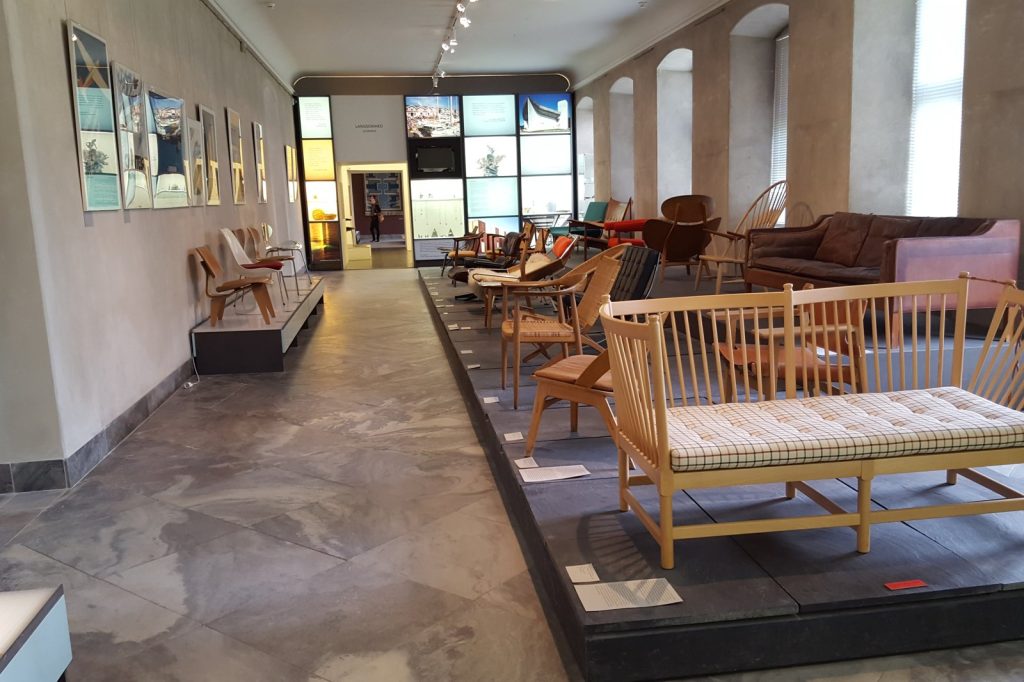
The Scandi Modern approach to interior design has roots stretching back to early twentieth-century Nordic traditions that rejected heavy ornamentation in favor of simplicity, natural materials, and functional forms. Postwar exhibitions in the mid-1900s carried this aesthetic to broader audiences abroad, and flat-pack furniture makers later spread related ideas across many households. The style emerged from a practical need: earlier generations sought warmth and light during long, dark winters, which shaped rooms built around pale surfaces and practical pieces.
Drawing from craft movements that valued wood and wool over decoration, the look now appears in shops and homes as a calm alternative to cluttered interiors. Its emphasis on restraint speaks directly to people weighing how a room should feel and function.
The Strategic Doctrine of Space and Palette
For the homeowner, the calculus is straightforward: strip away the non-essential. This is not minimalism in the ascetic, empty-room sense, but a deliberate reduction to clean lines, natural materials, and functional furniture.
The core objective is to create a room that feels both expansive and warm, a balance that requires tactical restraint. The broader stakes of getting it wrong are a cluttered, visually chaotic space that signals indecision. The palette is the first battlefield.
The dominant tones are whites, grays, and muted earth tones. Light walls and floors act as a neutral staging ground, reflecting natural light to maximize the perception of square footage.
This is a foundational move; anything bolder risks fragmenting the visual field. Furniture selection follows a strict doctrine of form following function. Think low-profile sofas with tapered legs, unadorned wooden coffee tables, and shelving that prioritizes horizontal lines.
The enemy is the bulky, overstuffed piece that dominates the room’s geometry. Each item must justify its footprint.
What this signals is a space designed for living, not for display. The strategic logic is consistent: every object should serve a purpose, and the room should feel uncluttered. The discipline required to maintain this look is significant, and the key indicator to watch next is how homeowners resist the urge to over-accessorize.
Texture, Material, and the Fight Against Sterility
A room painted entirely in white and gray risks a cold, clinical feel—a strategic vulnerability. The countermove is layering: a chunky wool throw, a sheepskin rug, a linen curtain. These elements introduce warmth and depth without violating the clean lines of the overall plan.
The broader stakes here are comfort; a Scandi Modern room must feel inhabitable, not like a showroom. The lighter touches are deliberate.
Wood is the primary material, preferably pale oak or birch. Greenery—a single, well-placed plant—provides a necessary organic counterpoint. This is not about decoration; it is about introducing life into a controlled environment.
The calculus is simple: less is more, but only if the “less” is chosen with precision. Every object on a shelf or table must have a purpose.
The room must remain uncluttered, and the discipline to maintain that requires constant attention. For anyone studying the trend, the sign of a successful Scandi Modern space is not just what has been removed, but what remains—and why. The look is not a design whim; it is a strategic aesthetic doctrine that continues to resonate because it answers a fundamental question about how a room should feel and function, offering a calm, purposeful alternative to the chaos of accumulated things.
{“@context”: “https://schema.org”, “@type”: “NewsArticle”, “headline”: “Scandi Modern Design Roots Trace Back to Early Nordic Traditions”, “description”: “LONDON, June 25 — The Scandi Modern approach to interior design has roots stretching back to early twentieth-century Nordic traditions that rejected heavy ornamentation in…”, “datePublished”: “2026-06-25T09:30:00+00:00”, “author”: {“@type”: “Person”, “name”: “Muhammad Asim”}, “publisher”: {“@type”: “Organization”, “name”: “InfoPulse Today”, “url”: “https://newsfeed.infopulsetoday.com/”}}




