
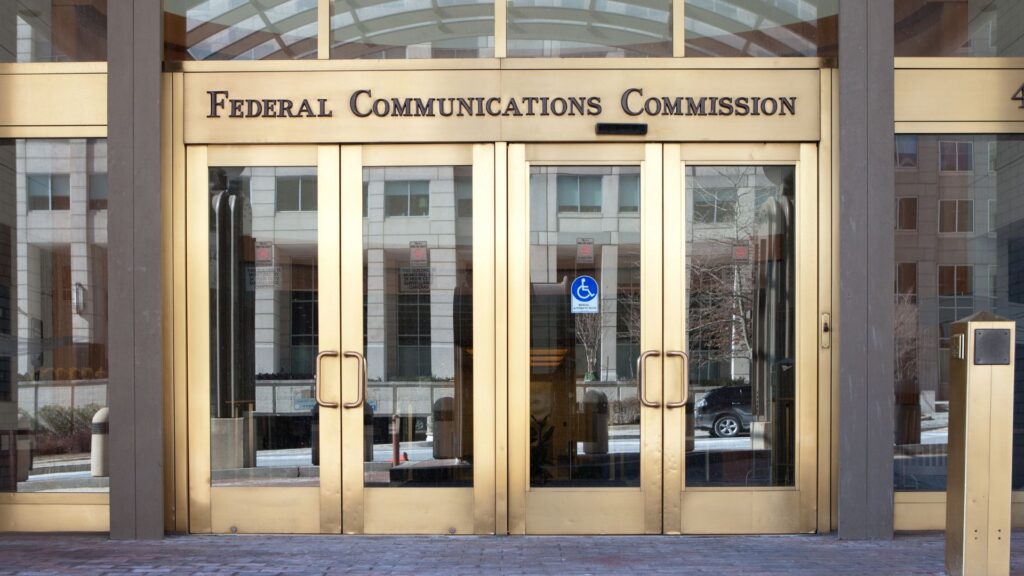
WASHINGTON, July 6 — The Federal Communications Commission’s repeal of broadband label requirements has left consumers facing difficulty comparing total costs across providers, as hidden fees could return, and consumer advocacy groups are already plotting a legislative counterstrike on Capitol Hill. Under the hood, the change is a technical retreat from transparency. Internet service providers are no longer required to use the standardized label or list all fees.
The practical effect is straightforward: comparing total costs across providers just got harder. The labels were designed to let shoppers see the real price of a plan at a glance.
Without them, hidden fees could return. Consumer advocacy groups are not waiting to see how bad it gets. Public Knowledge and the National Consumer Law Center have both vowed to push for legislation in Congress to reinstate fee disclosure requirements.
The detail that matters here is that these groups are not simply issuing press releases; they are targeting specific lawmakers who have already shown an appetite for broadband price transparency. Senator Ed Markey (D-MA) has introduced bills to mandate broadband price transparency.
His office has positioned the legislation as a direct response to the FCC’s retreat. Whether the bills can gain traction in a divided Congress is another question, but the advocacy groups see Markey’s effort as their best vehicle. The repeal could also face legal challenges from states such as California and New York, which have their own disclosure laws on the books.
Those state-level regimes now sit in direct tension with the FCC’s deregulatory stance, and a courtroom battle over federal preemption looks increasingly likely. For now, the technical reality is that the broadband label is no longer required. ISPs that want to keep it can still use it — the FCC did not ban the labels, it simply stopped requiring them.
But the history of this industry suggests that what is voluntary is often abandoned. The wry observation that writes itself: the label that was supposed to make broadband shopping rational has become optional, just as hidden fees could return.
The next move belongs to Congress. Consumer groups are betting that enough lawmakers will feel the heat from constituents who discover, the hard way, that their plan actually costs more. Whether that pressure translates into a legislative mandate — or whether the courts settle the matter state by state — is the story to watch through the rest of the session.




