
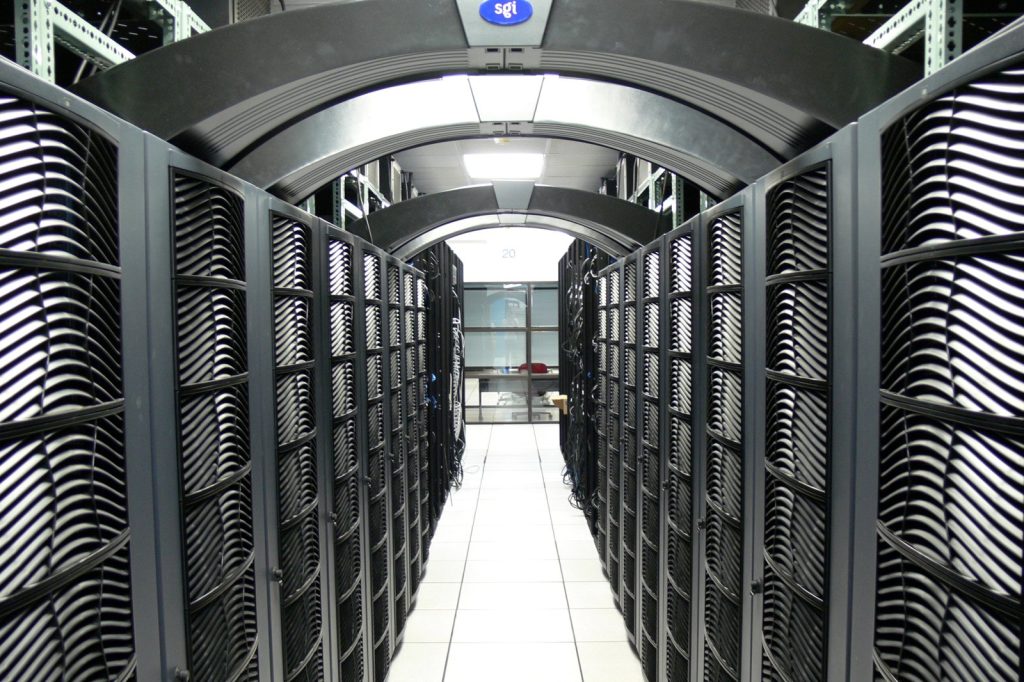
WASHINGTON, D.C., July 7 — The copper theft epidemic plaguing AI data centre construction sites is driving a quiet but significant shift in how the industry thinks about physical security. Trade groups, lawmakers, and even the U.S. Department of Energy are now moving to counter a problem that is as old as infrastructure itself, but newly urgent in an era of multi-billion-dollar build-outs. The Data Center Coalition, a trade group whose members include Google, Microsoft, and Amazon, issued formal security guidelines in 2024 aimed at stemming the losses.
The recommendations are, on the surface, straightforward: fencing, motion sensors, and GPS tracking of copper spools. The technical reality, however, is that these measures add cost and complexity to sites already racing against construction deadlines.
Some developers are taking a more material approach, substituting aluminium for copper in less critical wiring. The trade-off is a matter of physics: aluminium has lower conductivity than copper, meaning it cannot simply replace copper in every application without redesigning circuits or increasing cable gauge. It is a workable solution for non-essential runs, but not a universal fix.
The legislative response has been uneven. The Virginia General Assembly considered a bill in 2024 that would have required scrap metal dealers to report purchases over $100 and hold payments for ten days.
It did not pass. Similar laws are already on the books elsewhere: Texas enacted its version in 2021, California in 2022. The patchwork nature of these statutes means that a thief can cross a state line and find a far more accommodating market.
The Institute of Scrap Recycling Industries reported in 2023 that its member dealers have adopted voluntary identification checks for sellers. That is a step forward, but voluntary compliance has limits when the price of copper remains high and demand from AI data centre construction is surging. The FBI continues to track copper theft trends and works with local task forces, though the bureau’s resources are stretched across a broad portfolio of property crimes.
The U.S. Department of Energy is funding research into theft-deterrent technologies, including tamper-resistant cables. The detail that matters here is that the research is still underway; no commercially available cable can yet render a spool worthless to a thief with bolt cutters.
The technical challenge is to make theft uneconomical without making installation prohibitively expensive.
Guards, cameras, and the cost of vigilance
Security firms report increased demand for on-site guards at data centre construction sites. The going rate is between $50 and $100 per hour per guard. At a large site operating around the clock, that adds up quickly, and it is a cost that gets folded into the already enormous capital expenditure of building an AI-ready facility.
The market for AI data centre construction is projected to reach $45.2 billion by 2028. As that number grows, so does the pool of valuable metal on unsecured sites.
The trend is expected to continue, and the industry is still catching up to the scale of the problem. One wry observation that has circulated among security professionals is that the best deterrent remains the same as it ever was: a well-lit site and a visible guard. The technology is improving, but the fundamentals of physical security have not changed much since the first telegraph wires were stolen for their copper.
What has changed is the speed at which these sites are built and the sheer volume of metal they consume. A single AI data centre can require miles of copper cable for power distribution, grounding, and networking.
That is a lot of temptation, and the industry is still figuring out how to manage it.
A problem without a single solution
There is no silver bullet here. The combination of fencing, GPS tracking, alternative materials, legislative pressure, and voluntary industry standards may reduce losses, but no single measure will eliminate them. The FBI’s involvement suggests that law enforcement sees this as a persistent, organised crime problem rather than a series of opportunistic thefts.
For now, the industry is left to manage risk rather than eliminate it. The Data Center Coalition’s guidelines are a starting point, but the real test will come as more sites break ground and the market for stolen copper remains as liquid as ever.
The next few years will show whether the combination of technology, legislation, and old-fashioned security guards can keep pace with the thieves.




