
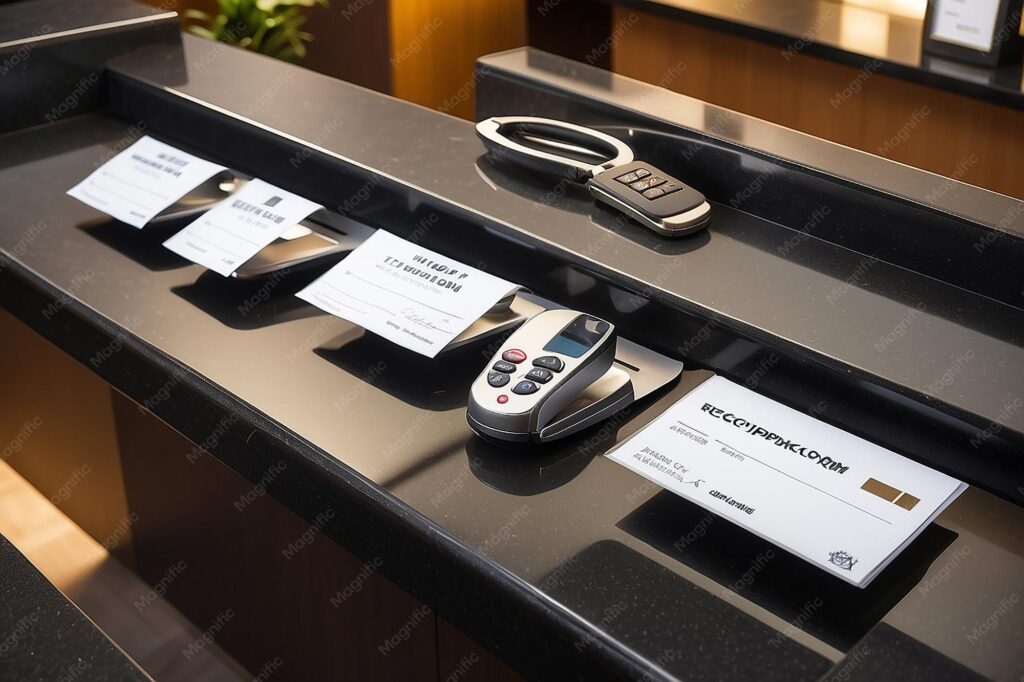
How Staff Access Cards Work
Hotel electronic locking systems function as digital logbooks. Every time a staff card is swiped at a guest room door, the system records which card was used and at what time. This audit trail allows hotels to investigate incidents after they happen, but it does not stop the misuse in the first place. Different employees receive different levels of access: a housekeeper might have a card that opens every room on a specific floor during certain hours; a maintenance worker might have broader access; and a manager might hold a master key that opens every door in the building. The practical consequence is that a single compromised employee can defeat the entire system.
In this case, the system worked exactly as intended for the wrong person. The hotel has not commented on whether it has added any new security measures since the theft was discovered. The suspect now faces criminal proceedings, and the hotel’s response will be watched by security professionals and travelers alike.
Industry Guidelines and Persistent Vulnerabilities
Industry trade groups have long published guidelines recommending that hotels audit their key systems regularly, revoke cards immediately when employees leave, and limit the number of master keys in circulation. Whether individual properties follow those guidelines is another matter. This incident underscores that even when protocols exist, enforcement can be uneven. The audit trail provides evidence after a theft but offers no real-time barrier to an employee who decides to misuse access.
The case serves as a reminder that the same tool meant to protect guest privacy can be turned against it. Staff cards, an electronic credential that lets employees open guest rooms for assigned work such as cleaning or repairs, are standard in the hospitality industry. Yet the security they provide depends entirely on the integrity and supervision of the people holding them.
Background: From Metal Keys to Coded Cards
Paid short-term lodging has existed for centuries, long before digital locks appeared. The modern lodging business grew out of medieval European inns that gave travelers a place to sleep and eat. Coaching inns later served passing coaches for about two centuries starting in the mid-1600s. For most of that history, guest rooms were kept behind keys held by owners or clerks, meaning access was strictly controlled by a limited number of physical keys.
Electronic systems arrived later and spread through the industry, shifting access from metal keys to coded cards assigned by role. This change made routine entry easier for staff but also introduced a new risk: a single assigned card could open many doors. The shift from physical keys to electronic credentials automated convenience but also automated the potential for abuse. For now, the Iskele case stands as a concrete example of how a hotel employee can exploit that access, and why the industry’s guidelines for auditing and limiting access remain as relevant as ever.




