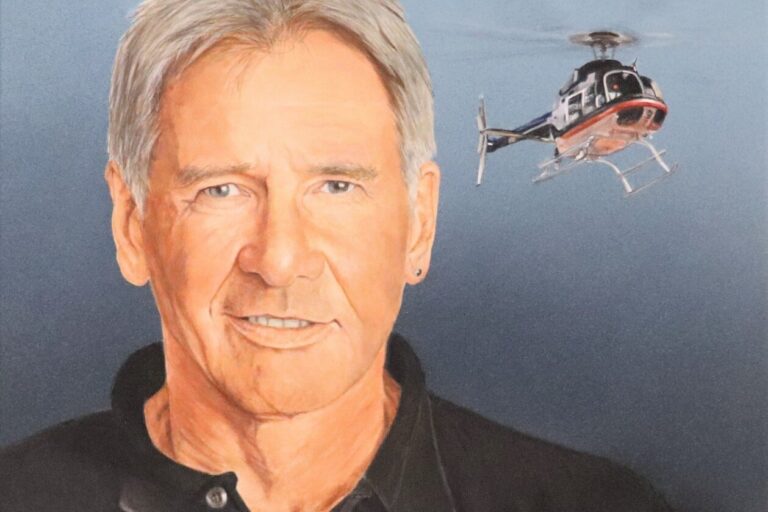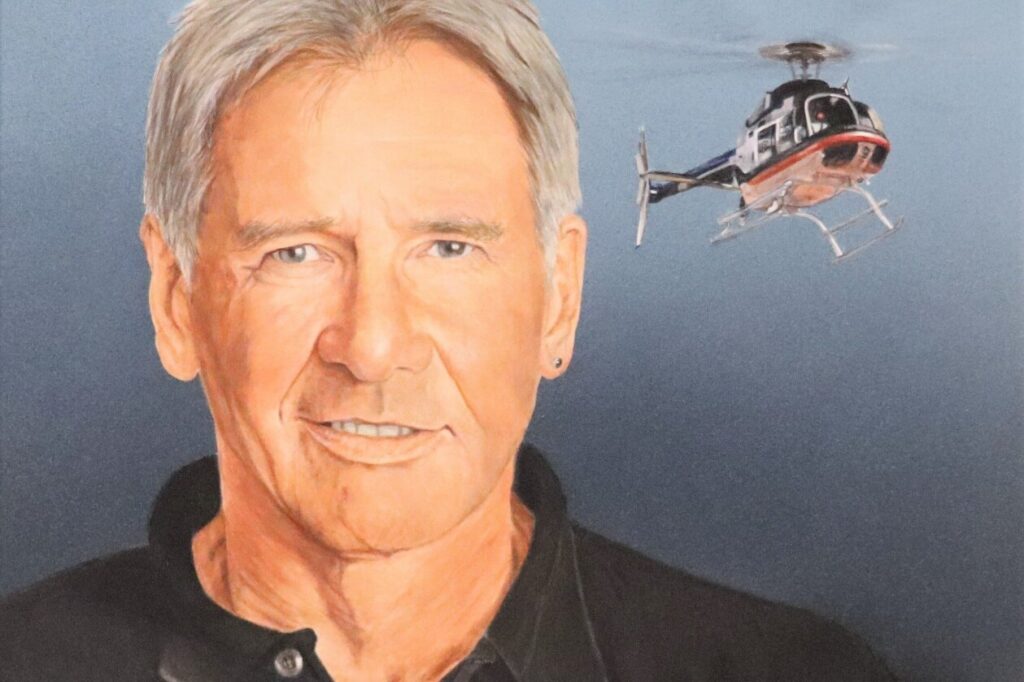
Skyler Gisondo is currently starring in a new fashion campaign for the men’s brand Bonobos, a project that explicitly references the aesthetic legacy of Harrison Ford in the 1990s. In an interview with Esquire, Gisondo identified dressing like the *Indiana Jones* star as a central pillar of his recent style evolution, marking a moment where a newer generation of actors is using vintage Hollywood archetypes to define modern celebrity fashion.
The Personal Journey to Style Confidence
For Gisondo, the decision to align his public image with a specific cinematic era was not a calculated marketing move, but the result of a personal struggle with identity. He described his twenties as a period of uncertainty, characterized by “desperately trying on shoes that didn’t fit.” He recalled seeing well-dressed individuals on the street and feeling a disconnect between his own appearance and the confidence he admired in others. “I always felt lost,” he said. “I would see a cool dude walking down the street or something, and think, ‘Man, I want to look like that guy.’ But I never knew how.”
That hesitation began to dissolve as he approached his thirtieth birthday. Gisondo noted that over the last couple of years, he has “homed in on my sense of style,” finding an equilibrium where his external appearance reflects his internal confidence. This shift coincides with a significant rise in his public profile, driven by his role as Decoy Dan in the series *Primetime*, a performance that has launched him to a new level of visibility. He is also scheduled to appear in *Focker-in-Law* this November and has additional roles as Jimmy Olsen in *Man of Tomorrow* and *The People v. Gorilla Grodd* slated for 2027. The Bonobos campaign captures this specific moment of self-assurance, translating his personal discovery of style into a broader commercial narrative.
Indiana Jones as a Timeless Aesthetic Reference
The choice of Harrison Ford as a style reference is rooted in the actor’s enduring status as a cinematic cultural icon. Ford’s portrayal of Indiana Jones, which spanned from 1981 to 2023, established a visual legacy that has persisted for four decades. The franchise is one of the longest-running action series in history, and the character’s wardrobe, defined by practical leather, rugged fabrics, and a sense of lived-in durability, became a shorthand for a specific type of masculine appeal. Ford’s characters established him as one of Hollywood’s most bankable stars from the late 1970s into the early 2000s, a period during which his on-screen persona was inextricably linked to his off-screen image of approachable, rugged reliability.
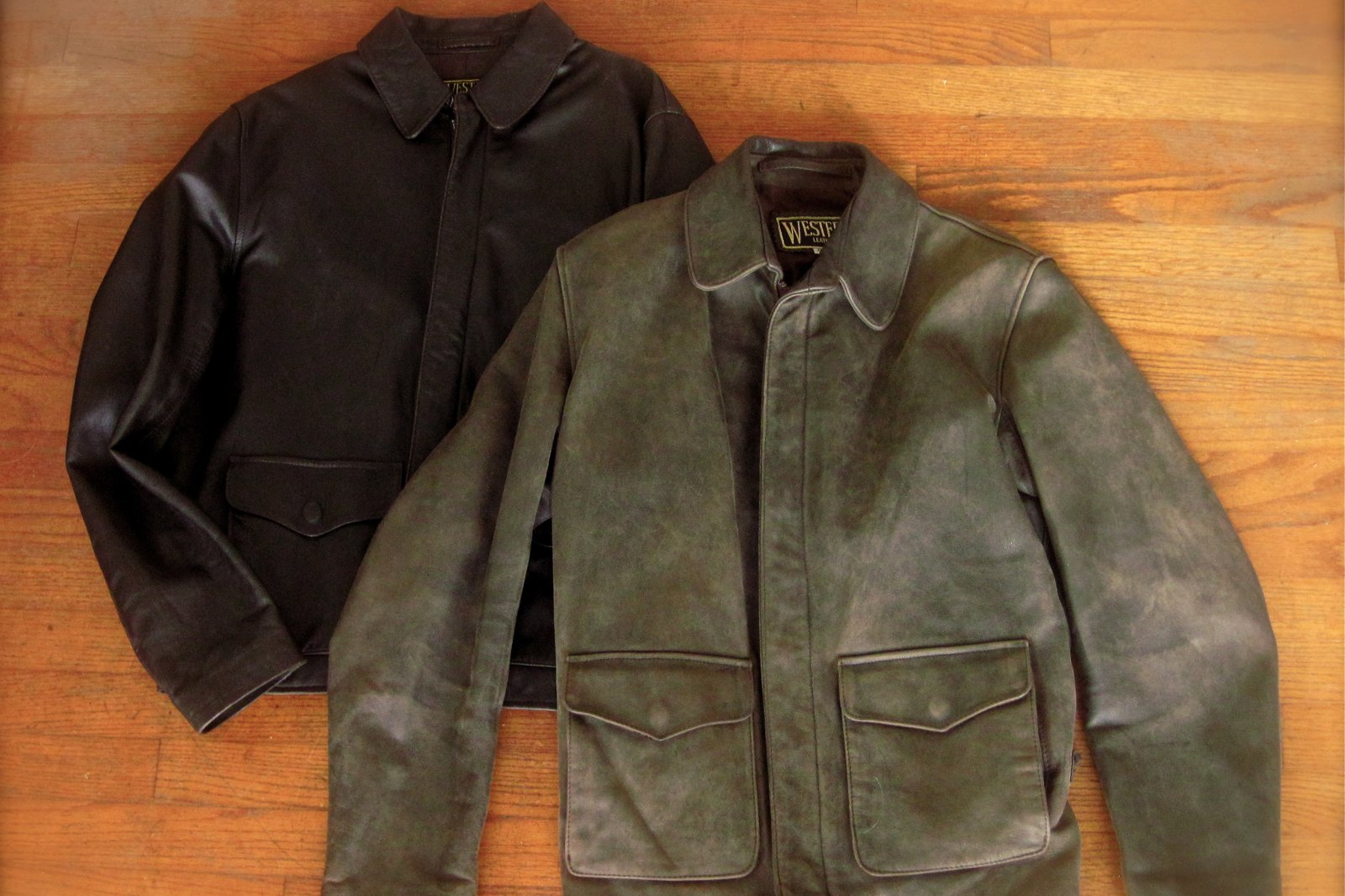
This influence extends beyond the immediate recognition of the actor’s face. The aesthetic associated with Ford’s 1990s roles, particularly during the era of *The Fugitive* and *Air Force One*, represents a departure from the polished, high-gloss fashion of the 1980s toward something more grounded and functional. For Gisondo, invoking this era is a way to signal a move away from the uncertainty of his younger years toward a style that feels authentic and confident. It is a direct appeal to the idea that fashion should serve the individual, rather than the individual serving the fashion. By citing Ford, Gisondo is tapping into a visual language that audiences already associate with strength and competence, allowing the brand to borrow that credibility for its own products.
The Commercial Power of Nostalgia-Driven Marketing
The use of Ford’s legacy in this campaign illustrates the broader commercial power of nostalgia in fashion marketing. Brands increasingly look to established cinematic figures to anchor their campaigns, leveraging the emotional connection audiences have with specific decades. The 1990s, in particular, have seen a resurgence in menswear trends, with a shift toward looser fits, earth tones, and utilitarian designs that mirror the wardrobes of that era’s leading men. This trend is not merely about copying a look; it is about evoking the cultural mood of a time when celebrity style was perceived as more organic and less curated than in the digital age.
For brands like Bonobos, partnering with an actor who can credibly discuss their personal style evolution provides a narrative depth that a simple endorsement cannot achieve. Gisondo’s discussion of his journey from feeling “lost” to finding his “equilibrium” gives the campaign a human element. It suggests that the clothes are not just items to be purchased, but tools for self-discovery. This approach resonates with consumers who are increasingly skeptical of high-pressure sales tactics and are looking for brands that offer a sense of identity and belonging. The fact that Gisondo references Ford, a figure who has maintained relevance for over fifty years, adds a layer of timelessness to the campaign, suggesting that the style being promoted is not a fleeting trend but a durable choice.
Translating Vintage Looks into Modern Partnerships
Actors like Gisondo are becoming key figures in translating vintage aesthetics into modern brand partnerships. This process involves a careful balancing act: the actor must feel a genuine connection to the style, while the brand must ensure that the look translates effectively to contemporary products. In this case, Gisondo’s personal identification with the 1990s Ford aesthetic provides a strong foundation for the collaboration. He is not simply wearing the clothes; he is discussing the psychological and emotional benefits of feeling confident in his own skin. This narrative alignment allows the brand to position itself as a partner in the consumer’s own journey toward self-assurance.
The success of such campaigns depends on the actor’s ability to articulate this connection in a way that feels authentic rather than performative. Gisondo’s interview with Esquire highlights this, as he speaks candidly about his past struggles with style and his current confidence. This transparency helps to bridge the gap between the polished world of fashion marketing and the everyday experiences of consumers. It also reflects a broader shift in the entertainment industry, where actors are increasingly expected to have a strong personal brand that can be leveraged across multiple platforms, from film and television to fashion and lifestyle. The Bonobos campaign is a clear example of this convergence, where the boundaries between acting and fashion marketing are becoming increasingly blurred.
The Future of Actor-Led Fashion Campaigns
As the fashion industry continues to evolve, the role of actors in shaping consumer trends is likely to grow. The ability of an actor to embody a specific aesthetic and communicate its value to an audience makes them a valuable asset for brands looking to connect with a broad consumer base. Gisondo’s partnership with Bonobos is a timely example of this trend, as it leverages the enduring appeal of a classic Hollywood figure to drive interest in a contemporary brand. The campaign suggests that the future of fashion marketing will be increasingly narrative-driven, with brands seeking to tell stories that resonate on a personal level rather than simply showcasing products.
The influence of Harrison Ford’s style, as cited by Gisondo, underscores the lasting impact that iconic figures can have on the fashion world. Even decades after their peak, these actors continue to serve as reference points for new generations of style enthusiasts. This enduring relevance is a testament to the power of strong, consistent branding, both in the world of cinema and in the world of fashion. For consumers, it means that the styles they choose can be informed by a rich history of cultural references, allowing them to express their individuality through a language that has been refined over many years. The Bonobos campaign, with its focus on personal evolution and timeless style, is a clear indicator of where this trend is heading.
Sources
- Skyler Gisondo on His New Fashion Campaign—and Dressing Like Harrison Ford in the ’90s
- Harrison Ford
- Harrison Ford injured after plane crash on golf course
- Harrison Ford and Carrie Fisher were high / drunk AF in a key scene in 'The Empire Strikes Back'
- Harrison Ford Starred Alongside James Caan In This '60s Western We Don't Talk About Anymore – SlashFilm
- In 2006, Harrison Ford said he’d “never actually done” an action movie. Rarely has an actor been more wrong
Photo: SDASM Archives (No restrictions)