
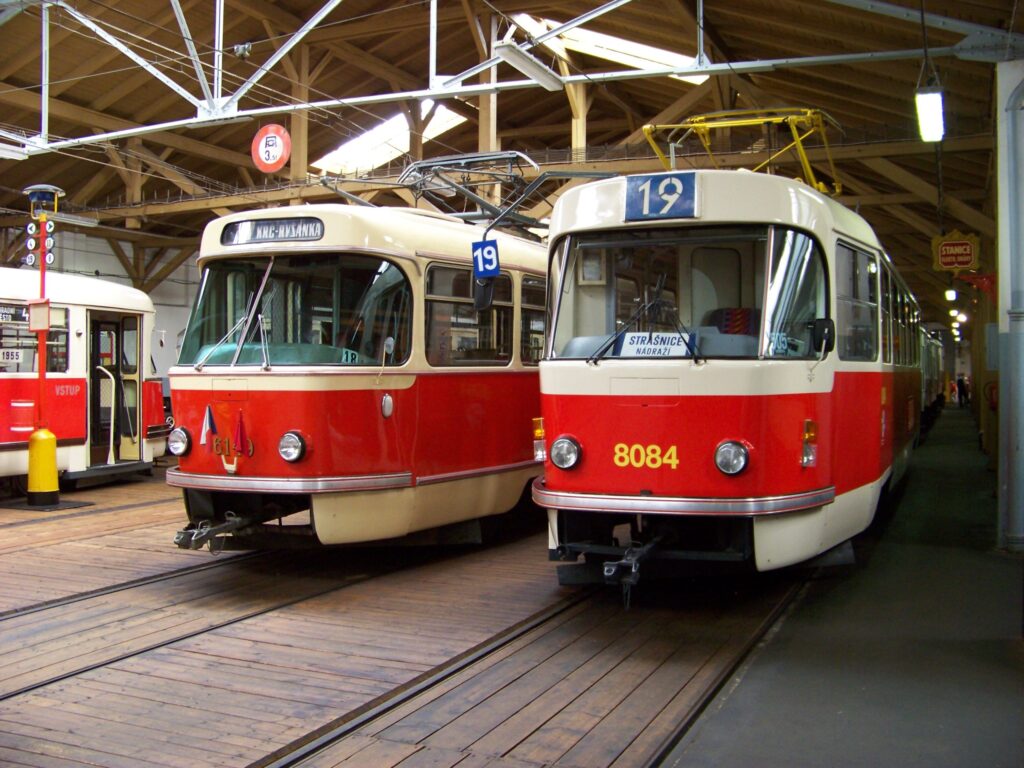
On 27 February 2026 a tram operating on Milan’s city streets left its rails, struck pedestrians and a building, and caused a deadly crash that left two people dead and 49 others injured. Emergency crews arrived quickly, treating the wounded and securing the scene as the full scope of the damage became apparent.
Trams are a cornerstone of Milan’s public‑transport network, which also includes buses and metro lines. The city’s extensive tram system moves thousands of residents daily to work, school and other destinations, and is generally regarded as a safe and efficient mode of urban travel. Nevertheless, the February accident demonstrates that failures can occur, with severe consequences.
Authorities have launched a comprehensive investigation into the derailment. Investigators will review the tram’s maintenance history, assess the condition of the track infrastructure, and examine any other variables that could have contributed to the loss of control.
The inquiry is expected to be thorough, with officials aiming to identify the root cause and recommend measures to avoid a repeat of such an event. The immediate response was swift. Police, fire services and medical personnel were on the scene within minutes, providing first aid, transporting the injured to hospitals and clearing the wreckage.
Their rapid action helped limit further casualties and allowed the area to be secured for investigators. In the aftermath, the incident has sparked a public debate about the safety of Milan’s tram network.
Residents and officials alike are calling for heightened maintenance regimes and more frequent inspections of both vehicles and tracks. The tragedy underscores the importance of rigorous safety protocols for a system that many citizens rely on daily. Milan’s transport authorities have stressed that the city’s tram system remains a vital component of its mobility strategy, but they acknowledge the need to reinforce safety standards.
Discussions are underway about investing in newer technologies, improving track monitoring, and ensuring that all vehicles meet the highest operational criteria. Beyond safety, the accident has reignited conversations about sustainable urban transport.
Milan’s tram network contributes to the city’s goals of reducing reliance on fossil fuels and lowering emissions. Maintaining a reliable, safe tram service aligns with broader objectives to promote renewable energy and create a cleaner environment for residents. Looking forward, city officials say that lessons learned from the derailment will inform future policy. Plans include reviewing current maintenance schedules, adopting advanced diagnostic tools, and potentially upgrading infrastructure to meet modern safety benchmarks.
The aim is to restore public confidence while continuing to provide a green alternative to car travel. As Milan begins the process of recovery and rebuilding, the focus remains on honoring the victims, supporting those injured, and ensuring that the tram system can operate without compromising safety.
The incident serves as a stark reminder that even well‑established public‑transport systems require constant vigilance, investment and innovation to protect the communities they serve.




