
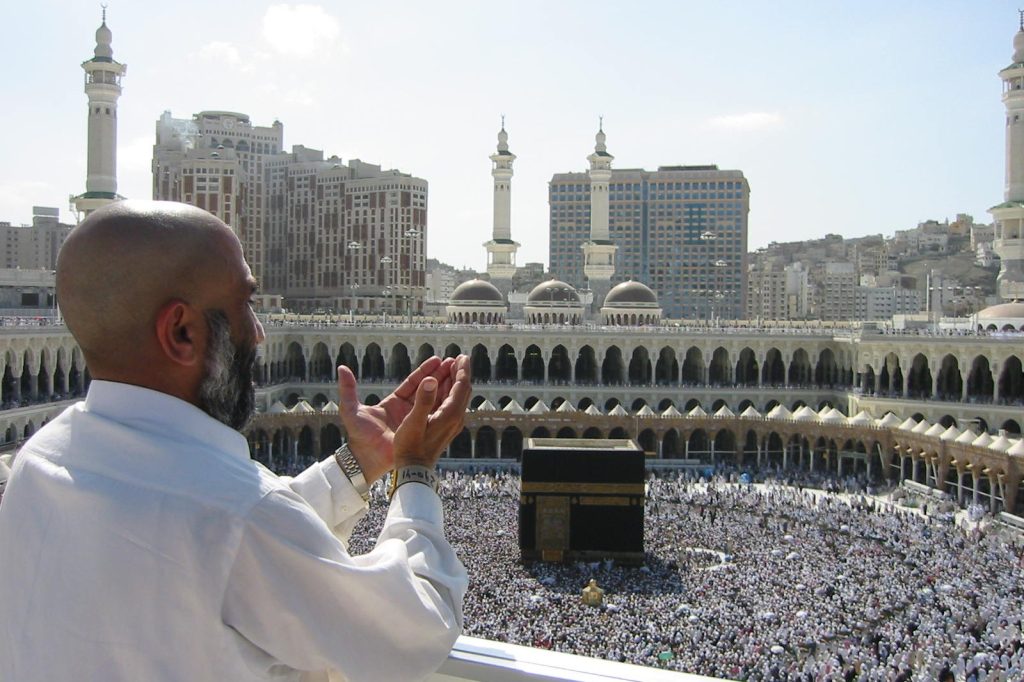
Saudi Arabia’s health minister has disclosed that a total of 1,301 individuals have died during the current Hajj pilgrimage, underscoring the difficulties inherent in managing one of the globe’s most massive religious gatherings. The Hajj, an obligatory Islamic rite, draws millions of Muslims to Mecca each year, placing intense pressure on the Kingdom’s logistical and health systems.
Covering roughly 2,150,000 km², Saudi Arabia is the fifth‑largest nation in Asia and the largest country in the Middle East. Its central position in the region places it beside Jordan, Iraq and Kuwait to the north and Oman to the southeast, making it a pivotal hub for trade and commerce. While the country is accustomed to hosting large‑scale events, the Hajj remains a singular undertaking that demands meticulous coordination, extensive infrastructure, and robust crowd‑control mechanisms.
The pilgrimage unfolds over several days, during which participants perform a sequence of rituals, most notably the circumambulation of the Kaaba—the holiest shrine in Islam—located in Mecca. The Saudi government has poured substantial resources into building and upgrading facilities, transportation networks, and safety technologies to facilitate a secure experience for pilgrims.
Nevertheless, the sheer magnitude of the gathering means that risks cannot be entirely eliminated. The reported death toll serves as a stark reminder of the need for continued emphasis on public health and safety, not only during high‑profile events but also in everyday circumstances. Authorities are expected to launch a comprehensive review of this year’s Hajj operations, aiming to pinpoint shortcomings and introduce corrective measures. Potential areas of focus include strengthening crowd‑management protocols, enhancing medical response capabilities, and expanding awareness campaigns to inform pilgrims of health and safety risks.
Beyond immediate safety concerns, the Kingdom’s broader strategy involves leveraging its abundant energy resources to support sustainable development. While Saudi Arabia is known for its vast oil reserves, officials have indicated an intention to diversify energy supplies by investing in renewable options such as solar and wind power.
Reducing waste and promoting cleaner energy are presented as pathways to safeguard both public health and the environment for future generations. Looking ahead, Saudi leaders are likely to assess how improvements in infrastructure, emergency services, and pilgrim education can mitigate fatalities in subsequent Hajj seasons. By adopting a proactive stance, the country aims to preserve the spiritual significance of the pilgrimage while ensuring that it remains a safe and orderly event for the millions who undertake it each year.
The challenges highlighted by this year’s death toll reflect a broader global conversation about managing large gatherings safely and sustainably. As other nations observe Saudi Arabia’s response, the experience may inform international best practices for crowd safety, health preparedness, and environmental stewardship at mass events.




