
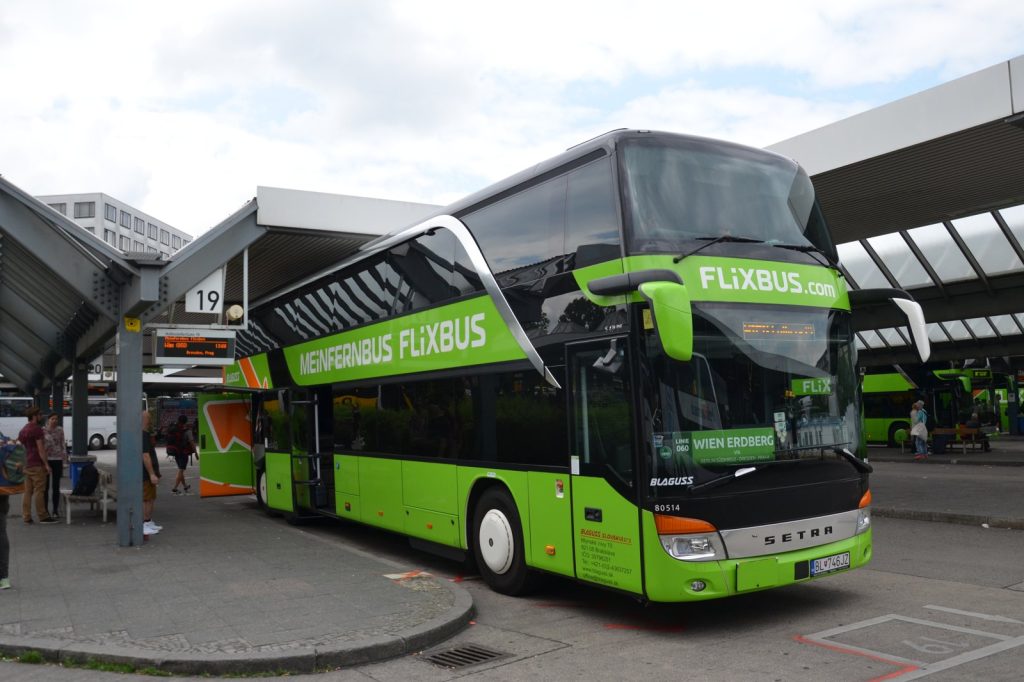
A devastating bus crash on the Bundesautobahn 9 near Leipzig, Saxony, Germany has left four people dead and 35 others injured. The incident occurred on March 27, 2024, when a double-decker FlixBus overturned and crashed, resulting in a significant loss of life and multiple injuries. The cause of the accident is currently unknown and an investigation is underway to determine the circumstances surrounding the crash.
The double-decker bus, a common mode of transportation for long-distance travel, was likely carrying a large number of passengers at the time of the accident. Double-decker buses have been in use for over a century, with the first horse-drawn omnibus appearing in Paris in 1853.
Over the years, they have become a popular mode of transportation in many major cities around the world, including London, where the iconic red double-decker bus is a familiar sight. The use of double-decker buses for mass transportation has several benefits, including increased passenger capacity and reduced traffic congestion. The accident on the Bundesautobahn 9 is a sobering reminder of the importance of road safety.
Germany is known for its well-maintained roads and strict traffic laws, but accidents can still occur due to a variety of factors, including driver error, vehicle malfunction, and adverse weather conditions. The investigation into the cause of the crash will likely examine all of these factors and more, in an effort to determine what went wrong and how such accidents can be prevented in the future.
In the meantime, the families of the victims and the injured passengers will be receiving support and assistance to help them cope with the aftermath of the tragedy. As the world continues to urbanize and populations grow, the need for efficient and safe public transportation will become increasingly important. Double-decker buses, with their large passenger capacity and relatively low operating costs, will likely play a major role in meeting this need.
However, it is also important to consider the environmental impact of these vehicles, which can contribute to air pollution and other negative environmental effects. As technology continues to evolve, it is likely that we will see the development of more sustainable and environmentally friendly modes of transportation, such as electric or hybrid buses, which can help reduce our reliance on fossil fuels and promote a cleaner, healthier environment.
The use of renewable energy sources, such as solar and wind power, can also help reduce our dependence on fossil fuels and promote energy security. By investing in renewable energy and increasing energy efficiency, we can help reduce the economic and environmental costs associated with fossil fuel consumption.
This can also help promote economic growth and development, by creating new job opportunities and stimulating innovation in the clean energy sector. As the world continues to evolve and grow, it is essential that we prioritize the development of sustainable and environmentally friendly technologies, in order to promote a cleaner, healthier, and more prosperous future for all. As the investigation into the bus crash on the Bundesautobahn 9 continues, our thoughts are with the families of the victims and the injured passengers.
We hope that the investigation will provide some answers and help prevent such accidents from occurring in the future. In the meantime, we must continue to prioritize road safety and promote the development of sustainable and environmentally friendly modes of transportation.




