
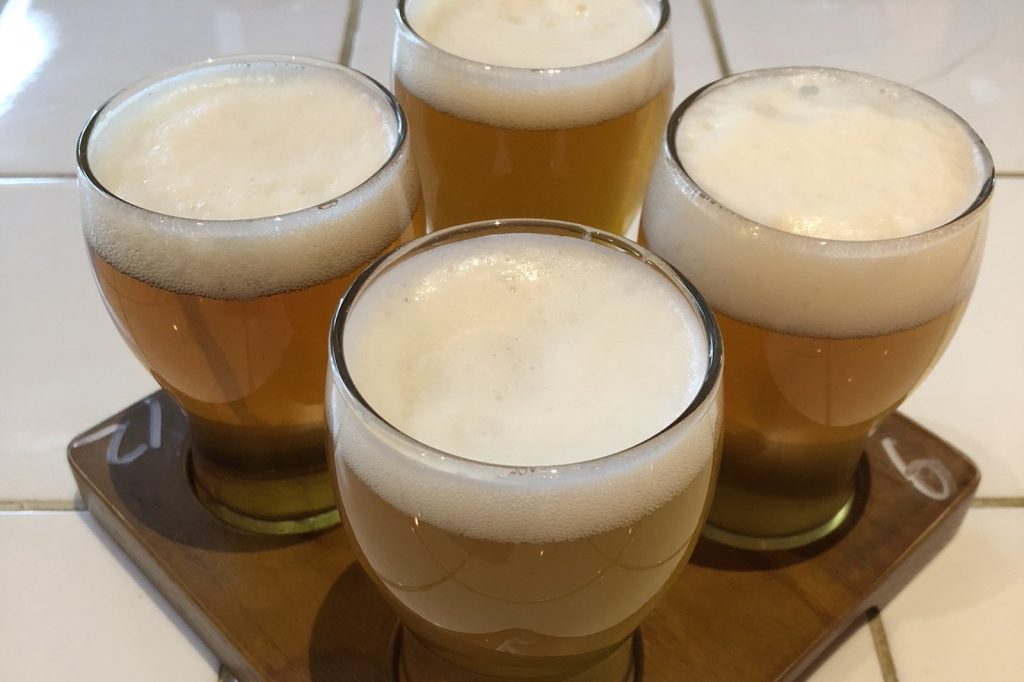
WASHINGTON, July 21 — The microbrewery movement, born in the 1970s in the United States and the United Kingdom, has matured into a distinct industry segment defined not merely by scale but by a strategic ethos of independence and experimentation. While macro breweries dominate the volume game, microbreweries — producing fewer than 15,000 US beer barrels annually under the US definition — have carved out a terrain where flexibility, adaptability, and customer service are the operational currency.
The numbers from the late 1990s sketch the trajectory: 205 microbreweries operating in the US in 1995, a figure that more than doubled to 420 by 2000. This growth signals a shift in the calculus of American beer production.
The term “microbrewery” originally referred to size, but it came to reflect an alternative attitude — a deliberate departure from the standardised output of larger brewers. The Brewers Association, a US trade group focused on brand transparency, defines a craft brewery as “small, independent and traditional.” That framing has become the bedrock of a sector that prizes new flavours, varied brewing techniques, and a direct connection with its customer base.
The nanobrewery frontier
Beneath the microbrewery tier sits an even smaller operator: the nanobrewery. The US Department of the Treasury defines these as “very small brewery operations” that must meet state and federal licensing requirements. Often run by solo entrepreneurs, nanobreweries typically produce beer in small batches from garages or modest industrial spaces.
By 2013, there were more than 200 nanobreweries in the United States — a figure that, strategically, suggests the entry-level rung of the craft sector is as much a proving ground as a business model. The broader stakes for the industry extend beyond US borders.
In the United Kingdom, the Society of Independent Brewers (SIBA) runs the Assured Independent British Craft Brewer initiative, a certification that mirrors the American emphasis on transparency and independence. Farm breweries — historically producers of low-ABV beer for field workers — now may receive agricultural privileges under state laws that require using some on-farm ingredients. A brewpub, a pub that brews its own beer on the premises, rounds out the ecosystem, blurring the line between production and retail.
What the landscape signals
What this signals for the broader beer market is a permanent structural shift. The microbrewery movement built on centuries-old traditional artisanal brewing in Europe, but its American and British iterations injected a strategic focus on adaptability that has reshaped consumer expectations. The calculus for a new entrant today is no longer just about making beer — it is about navigating state licensing, choosing between nanobrewery, microbrewery, or brewpub status, and deciding whether to pursue agricultural privileges.
The 205 microbreweries of 1995 have become a template, not a ceiling.




