
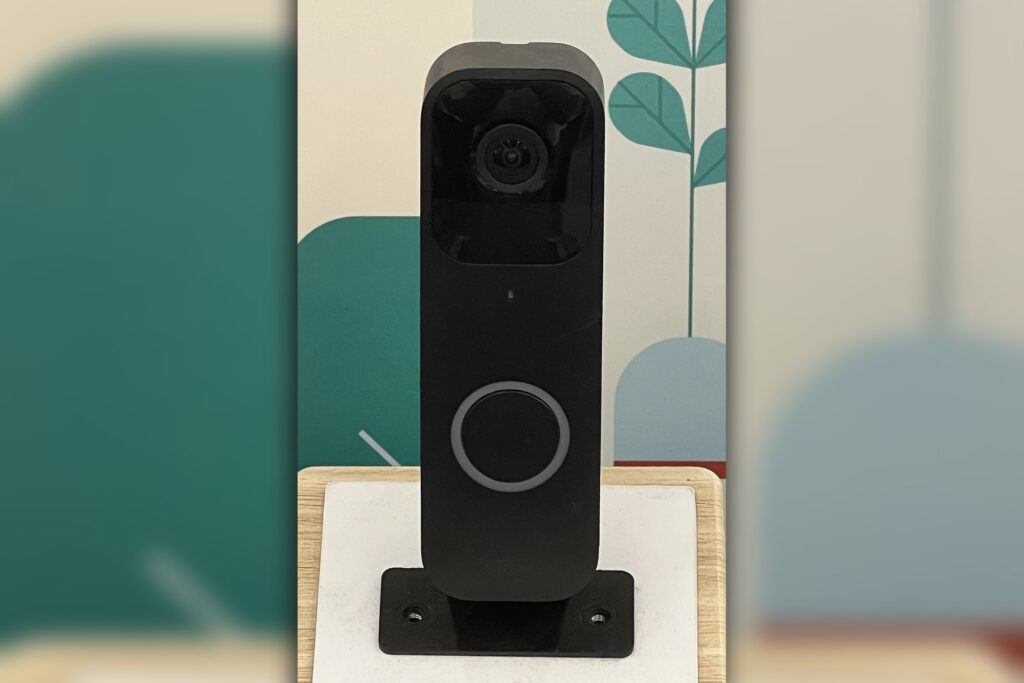
MANILA — The Blink Video Doorbell costs $25 or less. That price includes a head-to-toe HD view of whoever is at the door. It runs on three AA lithium batteries.
Amazon says those batteries can last up to two years. This is the deal that matters most during Amazon Prime Days for anyone who has ever worried about who is knocking.
The other bargains under $25 — the lash serum, the lip balm, the water bottle, the sandals — are nice to have. The doorbell is different. It is a piece of home security that, until recently, cost significantly more or required a professional installation and a monthly subscription.
The Blink doorbell installs wire-free. Or it connects to existing doorbell wiring.
The choice belongs to the buyer. No tools required for the wire-free option. No electrician.
No drilling into masonry for an apartment dweller who rents. Amazon Prime Days happen twice a year, typically in July and October. This June event is an anomaly.
The deals are real. The company wants to move inventory.
For a manufacturer like Blink, owned by Amazon since 2017, the Prime Day discount serves as a volume play. Sell a million units at a thin margin rather than a hundred thousand at a fat one. The math works because the ecosystem sticks.
Once a customer owns a Blink doorbell, they tend to buy the sync module, the indoor cameras, the floodlight cam. The doorbell runs on those three AA lithium batteries.
Lithium, not alkaline. The difference matters. Lithium batteries perform in cold weather.
They do not leak. They hold voltage steady until they die. Two years of battery life means the average homeowner changes batteries roughly as often as they change the smoke detector battery.
That is infrequent enough to be forgettable. The doorbell just works.
Video doorbells have become a standard piece of household infrastructure in the Philippines and across Asia. Delivery drivers use them. Neighbors use them.
The person selling fishballs from a cart uses them to know when customers arrive. The head-to-toe HD view means no blind spot at the bottom of the frame.
You see the package on the mat. You see the child who rang the bell and ran away. You see the full height of the person standing there.
Amazon Prime Days bring a flood of deals. The temptation is to buy the cheap thing because it is cheap. The lash serum works.
People swear by it. The Laneige lip balm has a loyal following.
The HydroJug water bottle is practical. The Clarks sandals are comfortable. None of those products solve a problem the way a video doorbell solves the problem of not knowing who is outside.
Home security in the Philippines often means a steel gate, a padlock, a dog that barks. Those are reactive measures.
A video doorbell is proactive. You see the visitor before you open the gate. You talk to them through the phone.
You tell the delivery rider to leave the package at the gate. You tell the salesperson you are not interested. You never have to open the door to a stranger.
The price point matters. Under $25 is a psychological barrier.
It is the price of a nice dinner. It is the price of two movie tickets. It is the price of a single decent shirt.
For that amount, a household gets a piece of security hardware that would have cost $150 five years ago. The technology matured.
The market commoditized. Amazon pushed the price down. Prime Day runs for 48 hours.
The doorbell deal will sell out. That is how these events work. The inventory is finite.
The discount is real. The decision is simple: buy the thing that makes the house safer, or buy the lip balm.
Both are under $25. Only one of them changes how you answer the door.




