
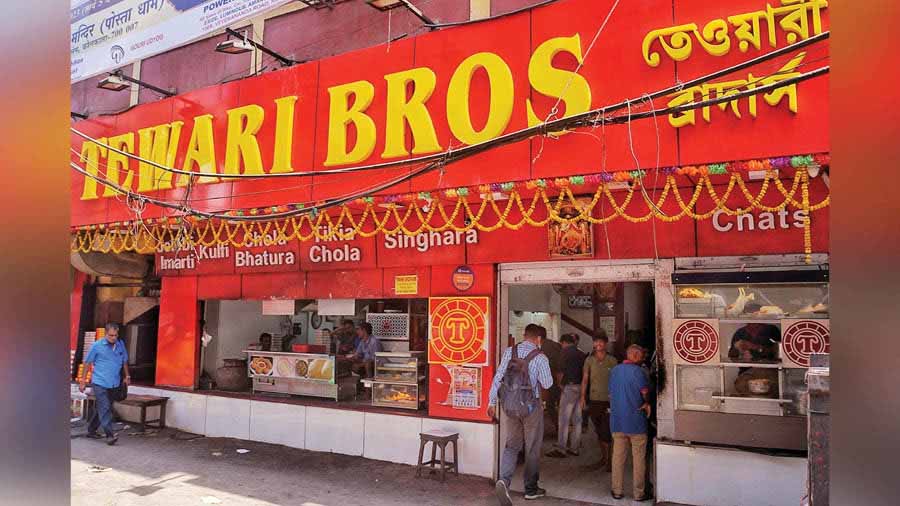
MUMBAI, August 2 — A rusted metal pin, discovered in kaju katli purchased from Tewari Bros Sweets in Mumbai on July 29, 2026, has brought into sharp focus the persistent gaps within India’s food safety regulations and their enforcement across the country’s vast food market. This incident underscores the ongoing complexities in maintaining stringent quality controls within a diverse and expansive food supply chain.
The Food Safety and Standards Authority of India (FSSAI), established under the Food Safety and Standards Act, 2006, serves as the primary regulatory body tasked with standardizing and enforcing food safety protocols nationwide. This legislative framework, enacted two decades prior, outlines a comprehensive mandate for hygiene and safety protocols, requiring all food operators to adhere to proper handling, storage, and preparation of food to prevent contamination. The establishment of such a body represented a significant step forward in formalizing food safety oversight.
Challenges in Compliance Across the Sector
Despite the FSSAI’s clear directives, ensuring compliance remains a formidable challenge, particularly among the numerous small and medium-sized food businesses that constitute a significant portion of the market. Incidents like the one at Tewari Bros Sweets reveal the difficulties in consistent oversight. The FSSAI’s mandate covers the entire spectrum of food preparation and distribution, yet the sheer scale of the industry means that enforcement can be uneven.
Cases of foreign objects in food, poor sanitation, and inadequate quality control continue to surface, indicating that the regulatory framework, while robust on paper, faces hurdles in practical implementation. The recent controversy involving Tewari Bros Sweets, compounded by allegations of unhygienic conditions depicted in a viral video, highlights these persistent issues. Such occurrences can erode consumer confidence and complicate the operational environment for compliant businesses.
Impact on Market Standards
The discovery of contaminants directly impacts public health and consumer trust, but also signals a need for strengthened mechanisms across the food processing and retail sectors. For businesses operating within this landscape, the implications extend to brand reputation and potential regulatory actions. The FSSAI’s role is critical in driving progress towards safer food environments, and these incidents serve as markers for areas requiring intensified focus and potentially innovative solutions to ensure widespread adherence to established standards.
Looking ahead, the ongoing scrutiny of such incidents will likely prompt a re-evaluation of enforcement strategies and compliance monitoring, especially for businesses that form the backbone of local food economies. The goal remains a food system where safety protocols are universally applied and consistently upheld, thereby securing consumer well-being and market integrity.
Consult your doctor for medical advice.
Sources
{“@context”: “https://schema.org”, “@type”: “NewsArticle”, “headline”: “Mumbai Kaju Katli Case Exposes India Food Safety Gaps”, “description”: “MUMBAI, August 2 — A rusted metal pin, discovered in kaju katli purchased from Tewari Bros Sweets in Mumbai on July 29, 2026, has brought…”, “datePublished”: “2026-08-02T09:30:00+00:00”, “author”: {“@type”: “Person”, “name”: “Li Wei”}, “publisher”: {“@type”: “Organization”, “name”: “InfoPulse Today”, “url”: “https://newsfeed.infopulsetoday.com/”}, “citation”: [{“@type”: “CreativeWork”, “url”: “https://en.wikipedia.org/wiki/Food_Safety_and_Standards_Authority_of_India”}]}




