
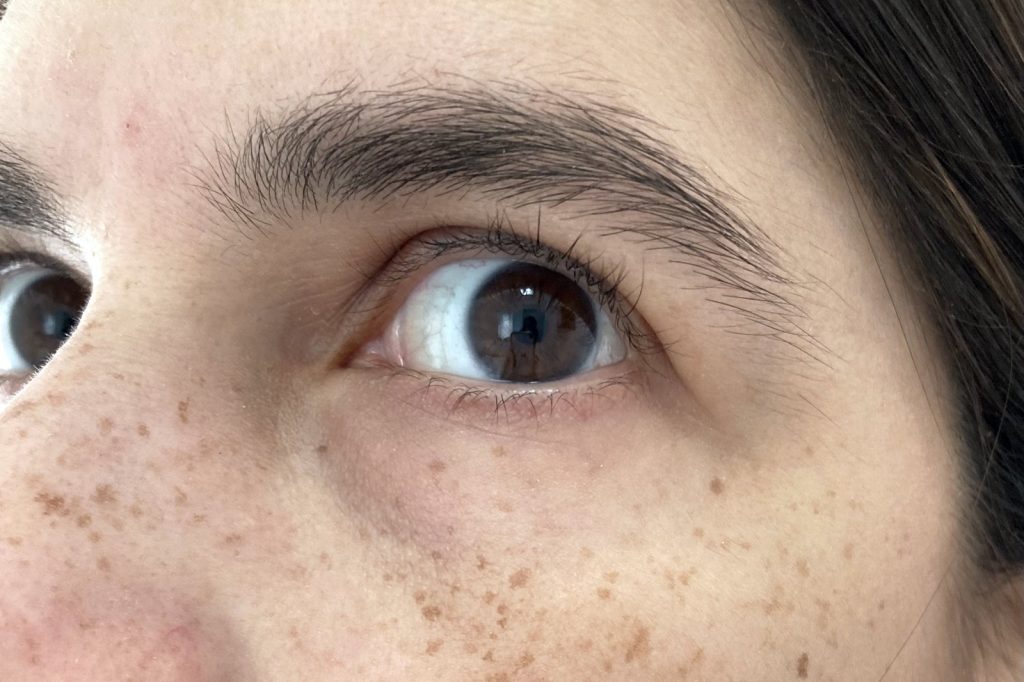
For years, the message was clear: freckles were something to fix. Heavy foundation promised a blank canvas. Skin-brightening creams sold the idea that a spotless face was the only good face.
Photo filters erased them with a tap. The beauty industry built a small economy on the premise that those tiny brown dots were flaws worth correcting.
That premise is now under pressure. But the shift did not happen overnight, and it did not come from a single viral post or celebrity endorsement. It came from a slow, grinding reevaluation of what “good skin” actually means — and from a growing body of psychological research that suggests the real damage is not the freckle itself, but the act of treating it like a problem.
Freckles, known medically as ephelides, are harmless. The American Academy of Dermatology classifies them as normal — tiny clusters of extra pigment that tend to show up after sun exposure.
They are not a skin condition. Nothing has gone wrong. But for decades, they were framed as something that had.
That framing is now being challenged, not by a new product, but by a simple idea: that accepting your natural appearance is linked to confidence and better body image. Psychology does not claim that freckles automatically make someone more attractive. Beauty is not that simple, and decades of research do not support that claim.
What the research does suggest is that people who stop treating their natural features as problems tend to feel better about themselves — and that this confidence can change how others perceive them. The dots themselves are almost beside the point.
The cultural shift visible today — celebrities showing freckles on magazine covers, people drawing fake ones with makeup, beauty campaigns moving away from the flawless ideal — is a surface-level sign of something deeper. It signals a broader reevaluation of how natural appearance is judged. The beauty industry spent years positioning freckles as something needing correction.
That strategic framing is now being challenged by a more basic human reality: living in a state of constant self-correction is exhausting, and it may not even work. There is a reason this is happening now.
Social media has made the gap between natural appearance and manufactured perfection impossible to ignore. Filters that erase freckles also erase pores, wrinkles, and texture. The result is a face that does not exist.
The backlash against that unreality has been building for years, and freckles happen to be a visible, easy symbol of the fight. But the stakes are larger than beauty trends. The real story, according to both psychology and dermatology, is about what happens when people stop treating natural features as flaws.
It is about the difference between seeing your own face as normal versus seeing it as a problem to be solved. The science does not promise that acceptance will make you beautiful by someone else’s standards.
It promises something more modest: that it might make you feel less broken. Freckles are not a skin condition. They are not a sign that something went wrong.
They are completely normal. The shift happening now is not about making freckles fashionable.
It is about recognizing that the old framing — the idea that normal features need correction — was always a sales pitch, not a medical fact. And that pitch is losing its power.
{“@context”: “https://schema.org”, “@type”: “NewsArticle”, “headline”: “Beauty Industry’s Anti-Freckle Products Face Growing Consumer Backlash”, “description”: “For years, the message was clear: freckles were something to fix. Heavy foundation promised a blank canvas. Skin-brightening creams sold the idea that a spotless…”, “datePublished”: “2026-06-27T08:06:52+00:00T09:30:00+00:00”, “author”: {“@type”: “Person”, “name”: “Isabella Moore”}, “publisher”: {“@type”: “Organization”, “name”: “InfoPulse Today”, “url”: “https://newsfeed.infopulsetoday.com/”}}




