
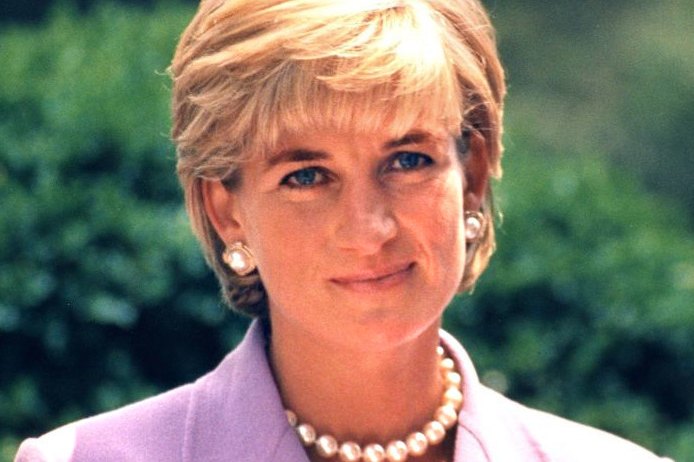
When King Charles III formally conferred the Prince of Wales title on his son William on 9 September 2022, Catherine automatically became Princess of Wales. The designation, while a courtesy granted by the sovereign, carries a legacy that has not been seen since Diana held the role before her death in 1997.
The shift is more than a change of address. It redefines the public identities of the couple, aligning Catherine directly with the women who have previously occupied the title. Unlike Camilla, who retained the legal right to the title after marrying Charles in 2005 but chose not to use it out of respect for Diana, Catherine has embraced the role in full, placing the Princess of Wales branding on every official engagement, overseas visit and charitable appearance.
Royal communications have already been updated: the official website now lists her as Princess of Wales, new stationery bears the title, and the couple’s three children—George, Charlotte and Louis—are now officially the children of the Prince and Princess of Wales. This adjustment subtly alters the way the public perceives the youngsters.
George, already second in line to the throne, is now identified as the son of the heir apparent; Charlotte and Louis are recognized as grandchildren of the monarch and children of the future king. Catherine’s charitable portfolio, administered through the Royal Foundation, is set to expand under the broader platform the title provides. While she has concentrated on early‑childhood development, mental health and the arts, the precedent set by Diana—who championed AIDS awareness, land‑mine clearance and homelessness—suggests the Princess of Wales will continue to align her patronages with crown priorities, now from a more prominent position.
The timing of the change coincides with the broader evolution of the monarchy following Queen Elizabeth II’s death. As the older king presides, William and Catherine represent a younger, media‑savvy generation poised to shape the institution’s future.
Public reaction has been mixed: some observers view the title as a natural progression, while others draw direct, often critical, comparisons to Diana, whose global profile and willingness to challenge protocol set a high bar. Catherine’s approach differs markedly from Diana’s. She has cultivated a more measured, traditional public persona, building her image gradually over more than a decade of marriage.
This deliberate strategy reflects lessons learned from Diana’s experience and aligns with the royal family’s current emphasis on stability over spectacle. The couple’s personal history—meeting at the University of St Andrews in 2001, graduating in 2005, announcing their engagement in November 2010 and marrying at Westminster Abbey on 29 April 2011—remains well known.
What is less discussed is how the Prince of Wales title reshapes their partnership. William is now the direct heir, and Catherine is his partner in that capacity, making their marriage not merely a royal union but the partnership of the future king and queen. Consequently, every joint appearance will be scrutinized for indications of unity or discord.
Since the title’s bestowal, the duo has proceeded without fanfare, continuing their existing work and avoiding dramatic statements. This low‑key handling appears intentional, reflecting the monarchy’s desire for continuity during a period of transition.
Catherine, as Princess of Wales, embodies that continuity, carving out a role that honors the historic weight of the title while defining it on her own terms.




