
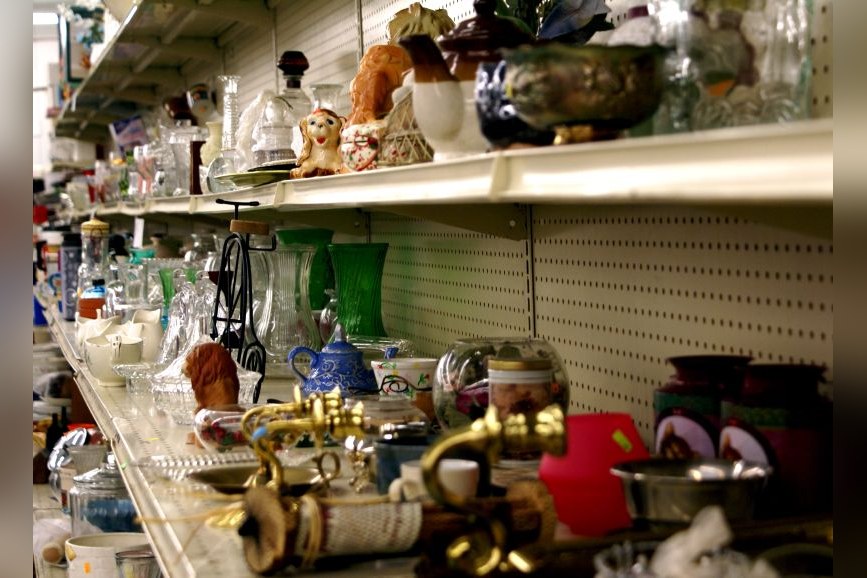
CHARLOTTE, N.C. — The aisles at Goodwill and Salvation Army still smell the same. Musty fabric. Old wood.
That faint, institutional clean. But the price tags don’t look like they used to.
Jordan Lee knows the feeling. He runs a resale account online, @thecarbootguy, where he flips second-hand finds. He used to hit charity shops hard.
Not anymore. “I honestly don’t go into charity shops as much anymore — especially the big, well-known chains — simply because of the prices,” he wrote on Instagram.
His complaint is blunt. The bargain is gone. Charity shops, he argues, are now pricing donated goods so high that the whole point of thrifting — the cheap deal — has vanished.
He points to resale platforms like Vinted, where identical brands in good condition often cost less than what a charity shop charges for the same item, used. “I’ve even seen things in charity shops priced higher than they would be brand new in the actual high street store!” Lee said. Walk into any big chain thrift store these days and you see it.
A used T-shirt from a fast-fashion brand for $8. A pair of worn sneakers for $25.
A basic glass vase, chipped, for $6. These aren’t vintage treasures. They’re everyday castoffs.
And they cost more than they did two years ago. The shift is deliberate.
Charity retailers exist to raise money for their causes. The resale boom — vintage hunting, flipping, online marketplaces — has brought a flood of new customers through their doors. More foot traffic.
More demand. So prices creep up. It makes financial sense for the charity.
But it kills the experience for the regular shopper. Lee gets it.
Charities need cash. He said so himself. But there’s a line.
When a donated shirt costs more than a new one on the high street, the math stops working. “Whether you’re popping in to try and resell items online or just hoping to find yourself a bargain, it sometimes feels like the whole point has been lost,” he wrote.
The result is a strange paradox. The very trend that revived interest in thrift stores — the hunt for a steal, the eco-friendly cheap buy — is now being undercut by the stores themselves. They’re chasing the resellers and the fashion hunters, but in doing so, they’re pushing away the casual bargain shopper who made thrifting a habit in the first place.
Lee’s Instagram post struck a nerve. It’s not just him. A growing number of thrifters are pulling back.
They’re tired of scanning racks of used clothes and finding prices that feel like retail. They’re tired of the feeling that the charity shop is now just another store, just with worse lighting and a smell.
The thrill is fading. The hunt used to be the point. Now, for a lot of people, it just feels like a rip-off.
Lee doesn’t bother with the big chains much anymore. He’s not alone.




