
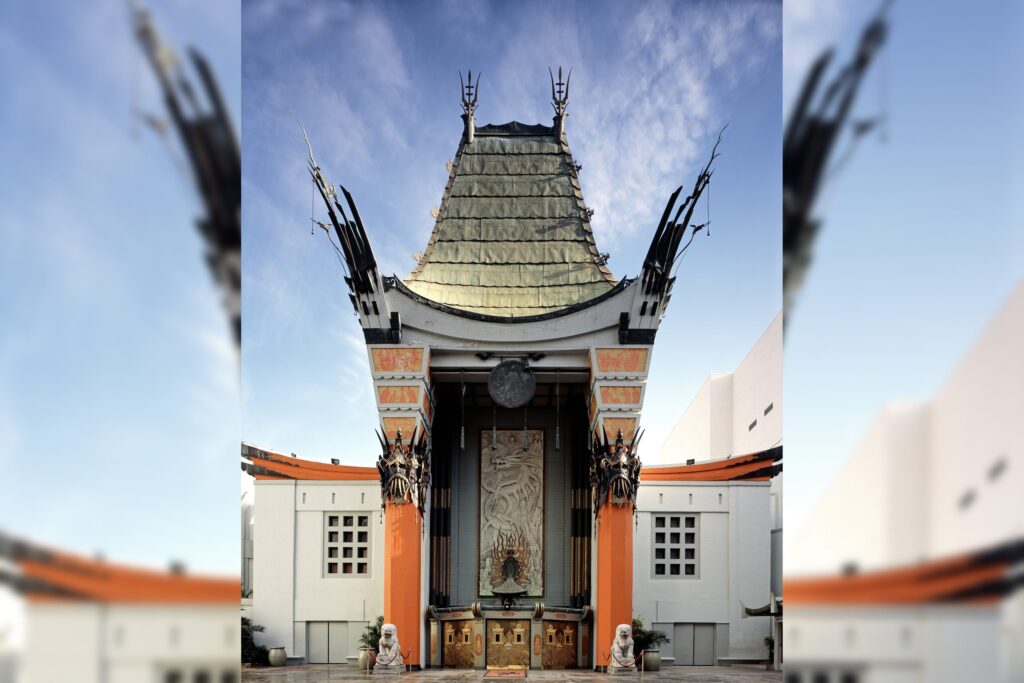
HOLLYWOOD, October 2 — On the ground in Los Angeles, residents describe a renewed wave of appreciation for The Wizard of Oz as the classic 1939 film marks another year in its enduring cultural journey. The Metro-Goldwyn-Mayer production premiered on August 15, 1939, at Grauman’s Chinese Theatre in Hollywood, California, and was released nationwide on August 25, 1939. Directed by Victor Fleming and produced by Mervyn LeRoy, the film had a production budget of approximately $2.8 million, equivalent to about $62 million in 2024 dollars.
It starred Judy Garland as Dorothy Gale, alongside Ray Bolger as the Scarecrow, Jack Haley as the Tin Man, and Bert Lahr as the Cowardly Lion. The film’s musical score was composed by Herbert Stothart, with songs by E.Y. ‘Yip’ Harburg and Harold Arlen, including the Academy Award-winning ‘Over the Rainbow,’ which won the Oscar for Best Original Song at the 12th Academy Awards in 1940.
The film received six Academy Award nominations, winning two: Best Original Score and Best Original Song. Despite a modest initial box office return, the film gained enduring popularity through annual television broadcasts beginning in 1956 on CBS, which introduced it to generations of viewers and cemented its status as a cultural touchstone. The Library of Congress selected The Wizard of Oz for preservation in the United States National Film Registry in 1989, citing its cultural, historical, and aesthetic significance.
The film’s symbolism has been widely interpreted, including readings as an allegory of populism and the gold standard, a theory popularized by historian Henry Littlefield in a 1964 article in American Quarterly. Its influence extends across music, film, theater, and visual arts, inspiring artists such as Lady Gaga, who performed a tribute to the film at the 2019 Oscars, and Salman Rushdie, who wrote in his 1992 book ‘The Wizard of Oz’ that the film was his first literary influence.
The film’s legacy is further sustained through stage adaptations, including the 1942 Broadway musical and the long-running West End and Broadway production of ‘The Wizard of Oz’ by the Royal Shakespeare Company, which premiered in 2011. Over 80 years after its release, the film remains one of the most-watched films in history, with the 1956 television broadcast drawing an estimated 45 million viewers, and continues to be referenced in advertising, fashion, and political discourse as a symbol of journey, self-discovery, and the American experience.




