
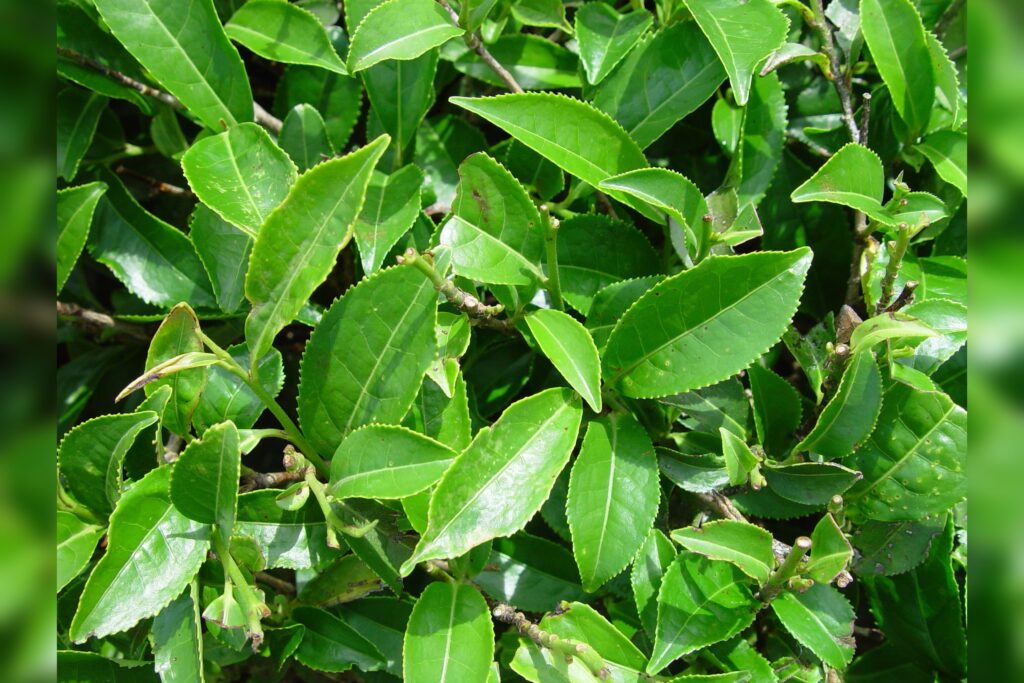
LONDON, October 7 — The story begins with a leaf. For millennia, the humble Camellia sinensis has shaped rituals, sparked revolutions, and filled cups from Beijing to Bristol. On this day in 2026, tea remains more than a drink — it is a global rhythm of pause, a cultural bridge steeped in history.
At its heart lies a journey that started in southwest China during the Shang dynasty, where tea was first used as medicine. The earliest credible record of tea drinking appears in a 3rd-century CE medical text by Hua Tuo.
By the Tang dynasty, tea had become a social custom, immortalized in Lu Yu’s ‘The Classic of Tea’ written around 760 CE, which detailed its cultivation, preparation, and philosophical depth. What unfolded next carried tea far beyond its origins. Buddhist monks brought it to Japan in the early 9th century, where Eichū and later Kōbō Daishi introduced the leaf that would evolve into chanoyu.
By the 16th century, Sen no Rikyū had formalized the Japanese tea ceremony’s aesthetic and spiritual principles. Around the same time, Portuguese priests and merchants in Macau encountered tea and began exporting it to Europe.
The Dutch East India Company launched the first commercial shipment from China to Europe in 1610. Tea reached Britain by the mid-17th century, initially a luxury in London coffee houses. The marriage of Charles II to Catherine of Braganza in 1662, a Portuguese princess who favored tea, helped popularize it among the aristocracy.
The British East India Company then began large-scale imports in the early 18th century. By 1750, tea had surpassed ale as Britain’s national drink. To break China’s monopoly, the British turned to India.
Experimental plantations began in Assam in the 1820s. The first successful Assam tea harvest came in 1838.
By 1888, British India had surpassed China in tea exports. Tea’s political symbolism flared in 1773 when American colonists dumped 342 chests into Boston Harbor during the Boston Tea Party, protesting taxation without representation — a pivotal moment in the American Revolution. Today, tea is the second most consumed beverage globally after water.
Over 6 million tons are produced annually as of 2020. China leads with 45% of global output, followed by India at 22%, Kenya at 8%, and Sri Lanka at 5%.
The global tea market was valued at approximately $20 billion in 2020 and is projected to exceed $30 billion by 2027. Preparation varies widely: from the Japanese matcha whisked in bowls, to Indian chai boiled with milk and spices, to British black tea served with milk, and Moroccan mint tea poured from height to create foam. Rituals endure — from the Chinese gongfu ceremony to the Russian samovar tradition served with sweets, and South Africa’s rooibos as a caffeine-free alternative.
Its enduring significance lies not only in caffeine and L-theanine but in tea’s role as a shared global rhythm — a moment of reflection that adapts to local tastes while connecting cultures across time. What follows is the quiet clink of cups, the steam rising, and the next sip, taken in peace.




