From Tabasco to the National Palace: The Early Years and Rise of López Obrador
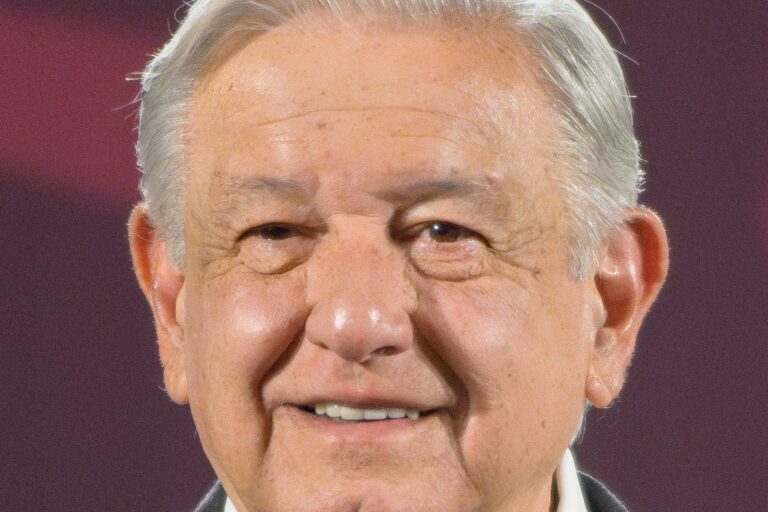
The story begins in Tepetitán, a small community in the southeastern state of Tabasco, where Andrés Manuel López Obrador was born on November 13, 1953, setting in motion a political career that would reshape modern Mexico. According to historical records, he earned a degree in political science from the National Autonomous University of Mexico (UNAM) after taking a hiatus to participate in politics. He started his public life in 1976 as a member of the Institutional Revolutionary Party (PRI), serving first as director of the Indigenous Institute of Tabasco, where he promoted the addition of books in indigenous languages. In 1989, he joined the Party of the Democratic Revolution (PRD), eventually becoming the party’s 1994 candidate for Governor of Tabasco and serving as its national leader between 1996 and 1999.
For those involved in the shifting alliances of the Mexican left, his tenure as Head of Government of Mexico City from 2000 to 2005 marked a turning point in his national profile. During this period, his crime, infrastructure, and social spending policies made him a popular figure. The political pressure intensified in 2004 when his state immunity from prosecution was removed after he refused to cease construction on land allegedly expropriated by his predecessor, Rosario Robles, though the legal process ended a year later with his right to run for office intact. He ran for president in 2006 under the Coalition for the Good of All, narrowly losing to the National Action Party (PAN) candidate Felipe Calderón. Following the Federal Electoral Tribunal’s refusal to grant a general recount amid widespread protests, López Obrador founded the National Regeneration Movement (Morena) as a civil association in 2011. After another unsuccessful presidential bid in 2012 won by Enrique Peña Nieto, he left the PRD and helped transform Morena into a political party, ultimately securing a landslide victory in the 2018 general election as part of the Juntos Haremos Historia coalition and serving as the 65th president of Mexico from 2018 to 2024.
The Fourth Transformation and the Rise of the Politicized Classes
At its heart, the political hegemony built by López Obrador is known as obradorismo and the Fourth Transformation, or 4T, with a horizon rooted in what analysts describe as Mexican humanism. According to an article by Fabrizio Mejía Madrid published in SinEmbargo and detailed by Mexico Solidarity, the social class that came to power with Andrés Manuel is made up of all those who were left out of the Mexican neoliberal model. This diverse coalition includes super-exploited workers whose wages were kept at survival minimums, rural ejidatarios forced to emigrate or grow drugs, and middle classes denied options for education or housing. Business owners and merchants who watched neoliberal benefits pass them by because they could not compete against monopolies or corrupt complicity also formed part of this base, alongside young people, the poor, the elderly, and the geographic south and southeast of the Mexican Republic. Described as center-left, progressive, left-wing populist, social democratic, and an economic nationalist, López Obrador promoted public investment in previously liberalized sectors and implemented progressive social reforms during his presidency.
Supporters praised him for promoting institutional renewal after decades of high inequality and corruption while refocusing the country’s neoliberal consensus toward improving the state of the working class. Conversely, critics argued that he contributed to democratic backsliding and failed to address systemic problems adequately. Commentators note that the 4T did not set out to make a socialist revolution, nor is it strictly social democratic, because its main banner is the rescue of those at the bottom rather than adherence to conventional political correctness. Its adversaries include business owners who profited from neoliberalism through the purchase of state companies at low prices, unpayable financial bailouts, and extensive exemptions from taxes, electricity, water, and social security. The media and traditional universities also became aligned with these interests, creating a political divide that defines the current era.
A Post-4T Sovereignty Crisis and the Treason Case in Chihuahua
What unfolded next in Mexican politics connects the legacy of the 4T directly to a modern sovereignty crisis under President Claudia Sheinbaum. According to Reuters and other news reports, a former state attorney general in Chihuahua, César Jáuregui, faces trial for treason over accusations that he illegally launched a joint operation with the CIA without informing the federal government. The operation aimed to dismantle a drug lab in the municipality of Morelos in the mountains of Chihuahua in April 2026. On the way back from the operation, a vehicle in the convoy veered off the road and fell into a ravine, resulting in the deaths of two state agents and two American CIA agents. The incident raised immediate questions about foreign actions on Mexican soil and outraged President Claudia Sheinbaum, who has made a strong defense of national sovereignty a centerpiece of her administration.
Following the tragedy, César Jáuregui resigned to clear the way for an inquiry and was arrested on October 17, 2026, on state charges of illegal exercise of public office, which a judge ruled can go to trial. Federal officials subsequently added the treason charge, pushing the legal battle into a federal arena. Héctor Villasana, one of Jáuregui’s defense attorneys, stated in court that federal prosecutors sought an exemplary punishment to prevent a situation similar to the United States’ removal of Venezuelan President Nicolás Maduro. Meanwhile, the U.S. State Department informed the Associated Press that it is monitoring the case without linking it directly to the CIA deaths. Legal experts point out that treason is a hard-to-prove crime with political undertones, especially ahead of the 2027 Mexican midterm elections. Samuel González, a former chief prosecutor for organized crime and an analyst, noted that while Jáuregui may have failed in his obligations by not notifying federal authorities or by allowing foreign agents to carry weapons, such actions would not legally constitute treason, which remains primarily a wartime crime under Mexican law.
Sources
- Andrés Manuel López Obrador
- Reading AMLO
- How the death of 2 CIA agents in northern Mexico led to a treason case
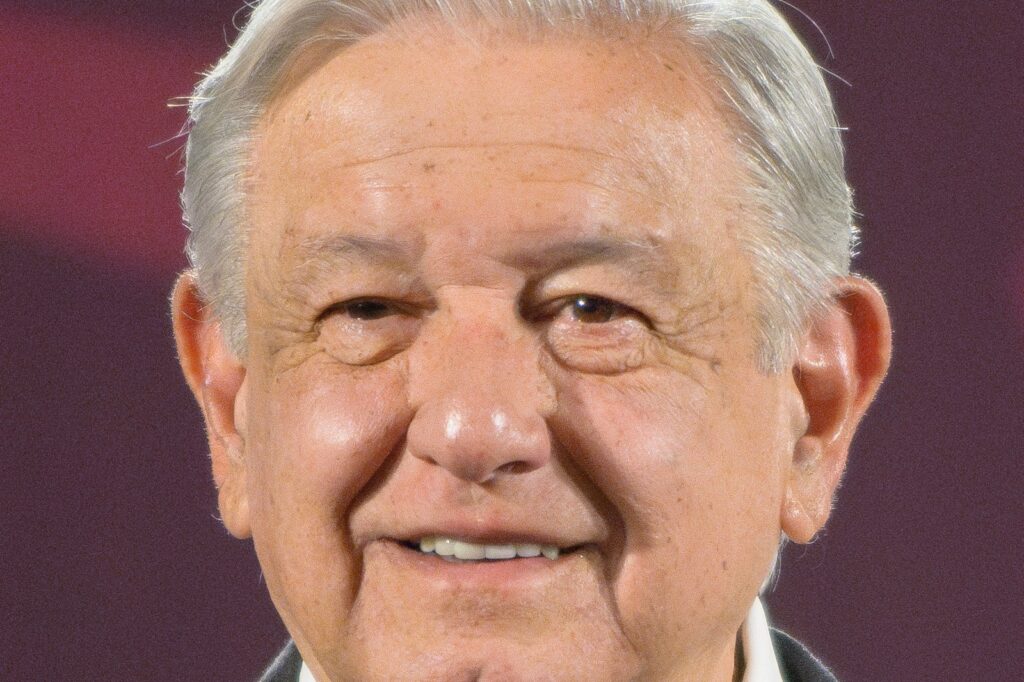
Photo: EneasMx (CC BY 4.0)