
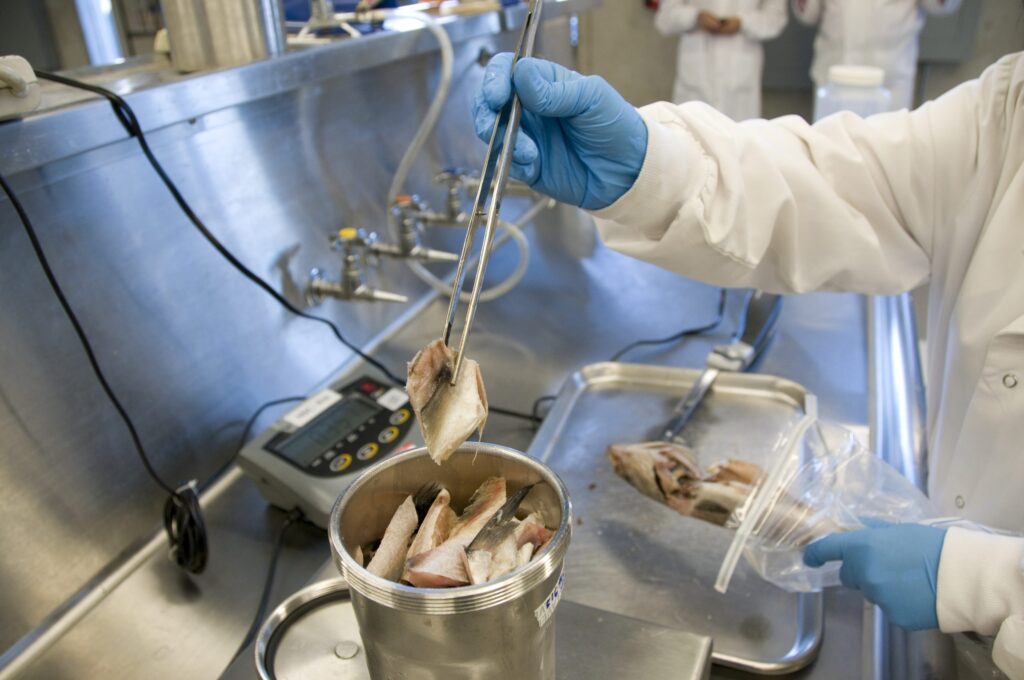
A weekly round of food safety inspections conducted by the Ministry of Agriculture and Natural Resources of the Turkish Republic of Northern Cyprus has found no traces of hazardous chemicals or pesticides in any of the products tested, according to an official statement released today. The monitoring covered the period from June 19 to June 25, during which ministry specialists collected and analyzed 55 samples: 32 from imported goods and 23 from locally produced items.
All batches cleared laboratory thresholds, marking a full week of compliance across both domestic and foreign-sourced products moving through the market. The statement provided no indication of any sample failing the testing protocols. The ministry did not specify which types of products were examined, nor did it disclose the countries of origin for the imported shipments.
The sampling and testing followed a standard seven-day window, and the 55 total samples represent a routine sweep rather than a targeted investigation. Sources familiar with the ministry’s standard procedures note that such weekly monitoring is a standing practice, and results are published as a matter of public record.
The current findings align with the ministry’s stated goal of maintaining food safety standards across the republic’s supply chain. No changes to the inspection regime or testing parameters have been announced for the coming weeks; the next round of results is expected to follow the same weekly schedule.
Food Safety Monitoring as Routine Practice
The Ministry of Agriculture and Natural Resources has established regular sampling and laboratory analysis as a cornerstone of its oversight efforts. The weekly reports provide a transparent record of contamination risks, covering both locally grown produce and items brought in from abroad. By testing for dangerous residues of chemical substances and pesticides, the ministry aims to catch any hazards before they reach consumers. The absence of any positive findings this week suggests that producers and importers are complying with existing safety requirements.
However, the ministry has not indicated whether its testing parameters or the list of monitored substances will change in future cycles. The consistency of the inspection schedule — a new round every seven days — allows for continuous surveillance of the food supply, though critics note that spot checks alone cannot guarantee safety across all products at all times.
The current results do not address the entire range of potential contaminants. Food safety science recognizes that harmful substances can include biological agents such as bacteria, viruses, parasites, and fungi, which can use food as a medium for growth. The ministry’s statement focused on chemical and pesticide residues, without specifying whether microbiological testing was part of the same analysis.
Routine monitoring programs typically evolve to address multiple hazard categories, and the background context of food safety emphasizes the need to manage risks across the entire supply chain, from agriculture and animal husbandry through manufacturing and the use of additives.
The Broader Context of Food Safety
Food safety is a scientific discipline centered on the handling, preparation, and storage of food to prevent foodborne illness. Its primary aim is to avoid biological, chemical, and physical contamination, which can render food unsafe for human consumption.
The practice developed as governments established inspection and certification systems for imports and exports to maintain consistent standards worldwide. Contamination can occur at any stage of the supply chain: during production, processing, transportation, or final preparation. When multiple people fall ill from a common food source, the event is classified as an outbreak, which can lead to widespread disease or death.
Consistent monitoring remains a primary defense against these hazards. Because many individuals handle food before it reaches the table, the risk of corruption persists at each link.
Regular testing helps break the cycle of malnutrition and disease that can affect both infants and adults. The ministry’s clean report this week does not eliminate the need for continued vigilance; rather, it underscores the value of systematic surveillance as a routine public health tool. The next set of results, expected on the usual weekly timeline, will provide another data point in the ongoing effort to protect consumers from the dangers of contaminated food.
For now, the republic’s food supply, at least as far as the 55 sampled items indicate, remains free of the chemical threats that inspectors are equipped to detect.




