
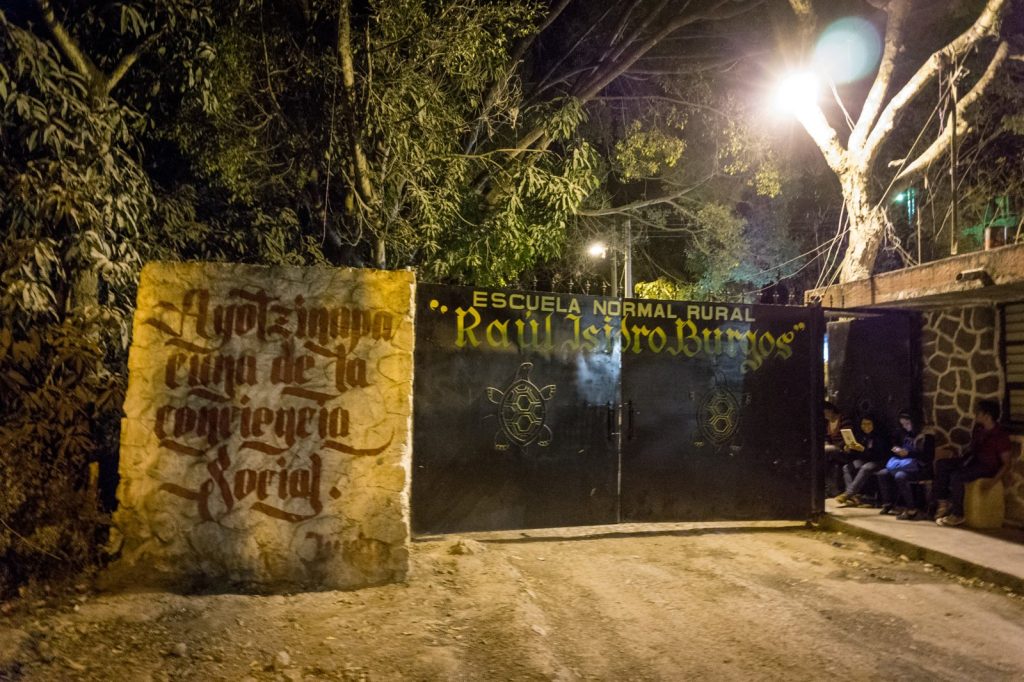
Mexico City, October 6 — The story begins with a disappearance that has left a lasting impact on the lives of many, a case that remains unresolved to this day. Twelve years have passed since the disappearance of 43 students from the Ayotzinapa Rural Teachers’ College, an event that triggered a national and international outcry over state violence and impunity. At its heart, the case involves the interception of students by municipal police while they were traveling to a protest in Mexico City, a incident that has been widely condemned.
The initial official narrative, which claimed that the students were handed over to a local criminal group and killed, has been disputed by many, including the Interdisciplinary Group of Independent Experts and the Office of the United Nations High Commissioner for Human Rights.
Unresolved and Unanswered Questions
A significant amount of time has elapsed since the disappearance, yet the fate of the majority of the students remains unknown. Forensic teams have identified the remains of only a few of the students, but the lack of a definitive account of what happened to them has left many questions unanswered. The case has become a symbol of broader struggles against state violence and corruption in Mexico, influencing cultural expressions, protest movements, and public discourse on human rights.
The families and supporters of the disappeared students continue to demand truth and justice, criticizing successive Mexican administrations for failing to dismantle the structures of collusion and impunity. Commemorations continue annually, serving as a reminder of the enduring legacy of the Ayotzinapa case and its impact on daily life in affected communities.
A Lasting Impact on Communities
For those involved, the disappearance of the students has had a profound impact on their lives, shaping educational initiatives, artistic projects, and grassroots organizing efforts aimed at preserving memory and resisting erasure. The case has also influenced the way people think about state violence and corruption, with many seeing it as a symbol of the need for change and accountability. As the years go by, the demand for truth and justice remains, with many calling for an end to the impunity that has allowed those responsible to go unpunished.
The story of the Ayotzinapa students serves as a reminder of the importance of holding those in power accountable and the need for transparency and justice in cases of state violence and corruption.
Looking Forward
As the case continues to unfold, it remains to be seen what the future holds for the families and supporters of the disappeared students. One thing is certain, however: the legacy of the Ayotzinapa case will continue to be felt, serving as a reminder of the importance of standing up against state violence and corruption. What follows will be crucial in determining the outcome of this case and the impact it will have on the lives of those involved.




