The story begins in the quiet valleys of south Wales, where a century of coal mining left a legacy that would one day be measured in grief and resilience. Sixty years after a coal waste tip collapsed onto a school, killing 144 lives, the village of Aberfan prepares to mark the anniversary with visits from King Charles III, Queen Camilla and Prince William. Their presence underscores how the 1966 disaster remains a defining moment in Welsh history, shaping national conversations about safety and memory.
The 1966 Disaster and Ignored Warnings
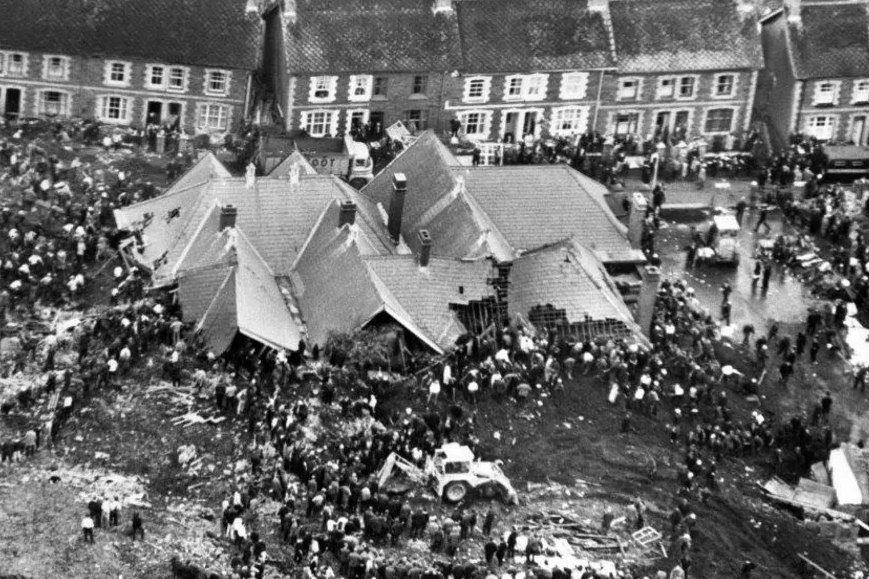
On 21 October 1966, after several days of heavy rain, a subsidence of three to six metres occurred on the upper flank of colliery waste tip number seven. At 9:15 a.m., more than 150,000 cubic metres of water-saturated debris broke away and flowed downhill at high speed, creating a slurry twelve metres deep. The slide destroyed a farm and twenty terraced houses along Moy Road before striking the northern side of Pantglas Junior School. In total, 116 children and 28 adults were killed. The disaster occurred despite specific concerns raised by local authorities in 1963 about spoil being tipped on porous sandstone over underground springs; those warnings were largely ignored by the National Coal Board’s area management. Coal executives had been warned about the possibility of a debris slide prior to the event, yet no one faced prosecution or lost their job following a 76-day public inquiry.
Royal Regrets and a Lasting Legacy
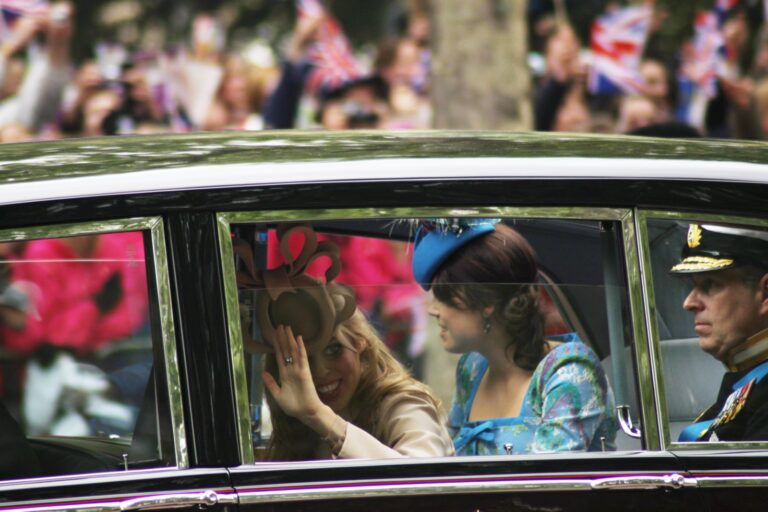
Queen Elizabeth II waited eight days before visiting Aberfan, arriving shortly after a mass funeral had taken place. Her former private secretary, Lord Charteris, later said that delay was one of the greatest regrets of her reign. The Queen returned to the village several times during her life, and on the 50th anniversary she spoke of being “deeply impressed by the remarkable fortitude, dignity and indomitable spirit that characterises the people of this village.” King Charles III and his family marked the 60th anniversary this year, visiting the Aberfan Memorial Garden, laying wreaths and meeting survivors. Prince William also visited Ynysowen Community Primary School to unveil an Aberfan Memorial Tree, continuing the legacy of Pantglas Junior School.
Community Resilience and Safety Lessons
Survivors carry the weight of the tragedy decades later. Former pupil Irene Hollett, now in her nineties, described the anniversary as a difficult time, noting feelings of gratitude for being alive alongside guilt for having survived friends and family. “A lot of stuff comes back to you. You feel grateful that you are still around 60 years on, but then you miss your friends and family that we lost at the time. You can feel a bit of guilt that you are still here,” she said. A male voice choir formed in the aftermath of the disaster will sing during the commemorative events, and the Aberfan Memorial Garden, built on the site of the destroyed school, serves as a place for prayer and moments of silence. Prime Minister Andy Burnham visited the village earlier this year and described the disaster as one of the “most horrifying tragedies this country has ever seen,” adding that coal tip safety in Wales remains of “critical importance.”
Enduring Memory
The village’s “indomitable spirit” is remembered not only through royal visits but through the ongoing effort to make remaining coal tips in Wales safe. As the 60th anniversary approaches, the presence of the royal family and the stories of those who lived through the collapse ensure that the lessons of Aberfan endure. Survivor Jeff Edwards thanked the royal family for their “enduring support, compassion and commitment” over the decades, a sentiment echoed by the community as they reflect on a tragedy that reshaped a nation’s approach to mining safety.
The 1966 Disaster and the Role of Heavy Rainfall
On 21 October 1966, the Aberfan tragedy was precipitated by several days of heavy rain that saturated the ground above the village. A subsidence of three to six metres occurred on the upper flank of colliery waste tip number seven. At 9:15 a.m., more than 150,000 cubic metres of water-saturated debris broke away and flowed downhill at high speed. This volume of material transformed into a slurry twelve metres deep as it rushed down the hillside. The deluge destroyed a farm and twenty terraced houses along Moy Road before striking the northern side of Pantglas Junior School. The timing and intensity of the rainfall were critical factors in the collapse, as the porous sandstone underlying the tip contained numerous underground springs that the heavy rain had already saturated.
The collapse resulted in the deaths of 116 children and 28 adults, a toll that underscores the catastrophe’s severity. The slide demolished most of the school structures and filled classrooms with thick mud and rubble up to ten metres deep. In the aftermath, the village faced the daunting task of recovery, with the disaster fund receiving nearly 90,000 contributions totaling £1,606,929 by January 1967. The physical scale of the event, combined with the failure to heed earlier warnings about tipping spoil on unstable ground, cemented the 1966 event as a pivotal moment in Welsh history regarding industrial safety.
The Geography of the Disaster
The tragedy was rooted in the specific topography of the Taff Valley. For years, millions of cubic metres of mining debris from the Merthyr Vale Colliery were deposited on the slopes of Mynydd Merthyr, directly above the village. These massive spoil tips were constructed over a layer of highly porous sandstone that contained numerous underground springs. Despite local authorities raising specific concerns in 1963 regarding the stability of tipping spoil on the mountain above the primary school, the National Coal Board’s area management ignored these warnings.
The environmental context of the village also played a role in its vulnerability. Before the 1966 disaster, the area had experienced severe flooding on at least 11 occasions between 1952 and 1965, a result of the mountains being denuded. When the disaster occurred, the saturated ground and the presence of the springs beneath the tips contributed to the catastrophic collapse of tip number seven, which sent 150,000 cubic metres of debris into the community.
Sources
- Royal Family to visit Aberfan to mark 60 years since disaster
- Aberfan
- King Charles and family mark 60th anniversary of Aberfan disaster
Photo: Unknown authorUnknown author (Public domain)